Remember the night I nearly set the kitchen on fire while trying to impress a friend with a “Mongolian” dish? The skillet was smoking, the ground beef was sticking like a bad habit, and the air smelled of burnt onions. I was about to call it quits when a friend whispered, “Just add a splash of sesame oil and a pinch of ginger.” That single tweak turned my disaster into a sizzling triumph, and I’ve never looked back. I dare you to taste this and not go back for seconds.
When you first crack open the package of lean ground beef, the scent is almost too good to be true—lean, hearty, ready to soak up every flavor. The green cabbage, crisp and bright, offers a subtle earthiness that balances the boldness of soy and sesame. Garlic and ginger bring a warm, peppery depth, while the vinegar cuts through the richness with a bright, almost citrusy bite. The sauce coats the meat like velvet, and the crunch of toasted sesame seeds adds a satisfying snap. If you’ve ever struggled to make a sauce that sticks, this one is a game‑changer.
I’m not just talking about a recipe; I’m sharing a revelation. This version of Mongolian ground beef is hands down the best you’ll ever make at home because it marries simplicity with depth. The technique of browning the meat first, then deglazing with vinegar, releases a caramelized flavor that most copycats miss. The low‑carb approach keeps the dish light without sacrificing satisfaction. Picture yourself pulling this out of the pan, the whole kitchen smelling incredible, and watching friends’ eyes widen as they take the first bite.
Most recipes get this completely wrong. They over‑cook the meat, under‑season the sauce, and forget the crunch of cabbage. Here’s what actually works: a quick sear, a splash of vinegar to brighten, and a final drizzle of sesame oil to seal the flavors. The result is a dish that’s juicy, aromatic, and satisfying without the heaviness of carbs. I’ll be honest—I ate half the batch before anyone else got to try it. That’s the power of a recipe that respects the ingredients.
Now, let’s talk about the secret sauce that makes this dish stand out. The combination of soy, rice vinegar, sesame oil, and ginger isn’t just a flavor profile; it’s a chemical dance that caramelizes the beef’s sugars and tenderizes the cabbage. The sauce’s viscosity is achieved by simmering until it thickens just enough to coat the meat without becoming syrupy. The red pepper flakes add a subtle heat that lingers without overpowering. This is pure magic—like watching a quiet storm brew in a pan.
And now the fun part. You might think you’re ready for the next step, but I’m going to show you how to keep the sauce from separating. The trick is to let the beef rest for a minute after cooking; this allows the juices to redistribute and creates a silky coating. I’ll keep you here because this is worth it. The moment you taste that first bite, you’ll understand why I keep this recipe in my kitchen drawer for emergencies.
Picture the crunch of the cabbage, the savory depth of the beef, and the subtle heat from the pepper flakes all dancing together. The aroma is a promise of comfort, the texture a blend of tender meat and crisp vegetables. The sauce’s silky sheen catches the light, making it look almost like a glossy glaze. That sizzle when it hits the pan? Absolute perfection. I’m about to walk you through every single step—by the end, you’ll wonder how you ever made it any other way.
Alright, let’s break down exactly what goes into this masterpiece. I’ll give you the low‑down on why each ingredient is essential, and then we’ll dive into the cooking process. Trust me, once you know the secrets, you’ll never look at this dish the same way again. Let’s get cooking.
What Makes This Version Stand Out
- Flavor: The sauce layers umami, acidity, and a hint of sweetness, creating a complex taste that lingers on the palate. The soy and vinegar balance each other perfectly, while the sesame oil adds a nutty finish. This depth of flavor is what sets it apart from ordinary stir‑fries. The result is a dish that feels like a gourmet meal without the fuss.
- Texture: The beef is browned to a caramelized crust, then quickly seared again to lock in moisture. The cabbage remains crisp, offering a satisfying crunch that contrasts the tender meat. The sauce coats everything like a silky blanket, ensuring every bite is juicy. No soggy or dry surprises.
- Low‑Carb Focus: By swapping rice or noodles for cabbage, you keep the dish light and healthy. The carb count stays low, making it perfect for keto or low‑glycemic diets. Yet the dish still feels hearty and filling. It’s a win‑win for flavor and nutrition.
- Simplicity: With only a handful of ingredients, the recipe is quick to assemble and even quicker to clean up. No exotic spices or hard‑to‑find items. It’s a go‑to dish for busy weeknights. The fewer the steps, the higher the chances of success.
- Make‑Ahead Potential: The sauce can be pre‑made and refrigerated, saving time on busy days. The beef can be cooked in bulk and reheated with a splash of water to keep it moist. This flexibility turns a dinner recipe into a meal‑prep staple. The flavors only deepen with time.
- Crowd Reaction: Friends always ask for the recipe after tasting it, and I’ve seen people go from skeptical to “I need this in my life.” The dish is a crowd‑pleaser that satisfies both carnivores and vegetarians who enjoy the cabbage. It’s the kind of dish that gets passed around at potlucks.
Inside the Ingredient List
The Flavor Base
Ground beef is the heart of this dish, providing rich protein and a savory foundation. Opt for a lean cut (around 10% fat) to keep the dish light while still juicy. The fat renders out during cooking, leaving behind a caramelized crust that adds depth. If you prefer a stronger beef flavor, use a mix of sirloin and ground chuck for a richer taste. Skipping the beef would turn this into a simple cabbage stir‑fry, losing the hearty element that makes it satisfying.
Onions contribute sweetness and depth when caramelized. They also help balance the sharpness of soy sauce. If you’re allergic to onions, substitute with minced shallots for a milder flavor. Choosing a small onion ensures the sweetness doesn’t overpower the dish. A finely diced onion distributes evenly, so every bite has a hint of caramel.
Green cabbage is the low‑carb hero that keeps the dish filling without the carbs. Its mild bitterness cuts through the richness of beef and sauce. You can use red cabbage for a pop of color, but the flavor profile will shift slightly. If you prefer a softer texture, blanch the cabbage before adding it to the pan. Skipping cabbage would leave the dish too dry and lacking crunch.
Garlic and ginger are the aromatic duo that elevate the dish. Garlic adds a pungent kick, while ginger brings warmth and a slight peppery note. Together, they create a base that’s both comforting and vibrant. If you’re sensitive to raw ginger, roast it lightly to mellow the heat. These spices also help tenderize the beef during cooking.
The Texture Crew
Sesame oil is the finishing touch that adds a nutty aroma and silky sheen to the sauce. It also helps the sauce cling to the beef and cabbage, preventing separation. If you don’t have sesame oil, a splash of toasted sesame paste works well. The oil should be added at the end of cooking to preserve its delicate flavor. Skipping sesame oil would make the sauce feel flat and less luxurious.
Rice vinegar provides acidity that brightens the dish and balances the saltiness of soy sauce. It also helps tenderize the meat slightly. If you can’t find rice vinegar, apple cider vinegar is a suitable substitute. The acidity also prevents the sauce from becoming overly sweet. Too much vinegar, however, can make the dish taste sharp.
Red pepper flakes add a subtle heat that lingers without overwhelming the dish. They’re a great way to introduce a gentle kick. If you prefer a milder dish, reduce the amount or omit them entirely. The pepper flakes also contribute a slight color contrast, making the dish more visually appealing. Skipping them will make the dish taste more neutral.
The Unexpected Star
Toasted sesame seeds are the final flourish that offers a crunchy contrast and nutty flavor. They’re also a nod to traditional Mongolian cooking. If you’re allergic, crushed almonds or sunflower seeds can provide a similar crunch. The seeds add a subtle sweet note that balances the savory elements. Without them, the dish feels a bit less finished.
The Final Flourish
Green onions add a fresh, bright finish that cuts through the richness of the sauce. They also provide a pop of color and a mild onion flavor that complements the caramelized onion. If you don’t have green onions, scallions or chives work well. The green tops should be sliced thinly for maximum flavor release. Skipping green onions results in a dish that feels slightly flat.
Everything’s prepped? Good. Let’s get into the real action. I promise this will be the most satisfying meal you’ll make in weeks.
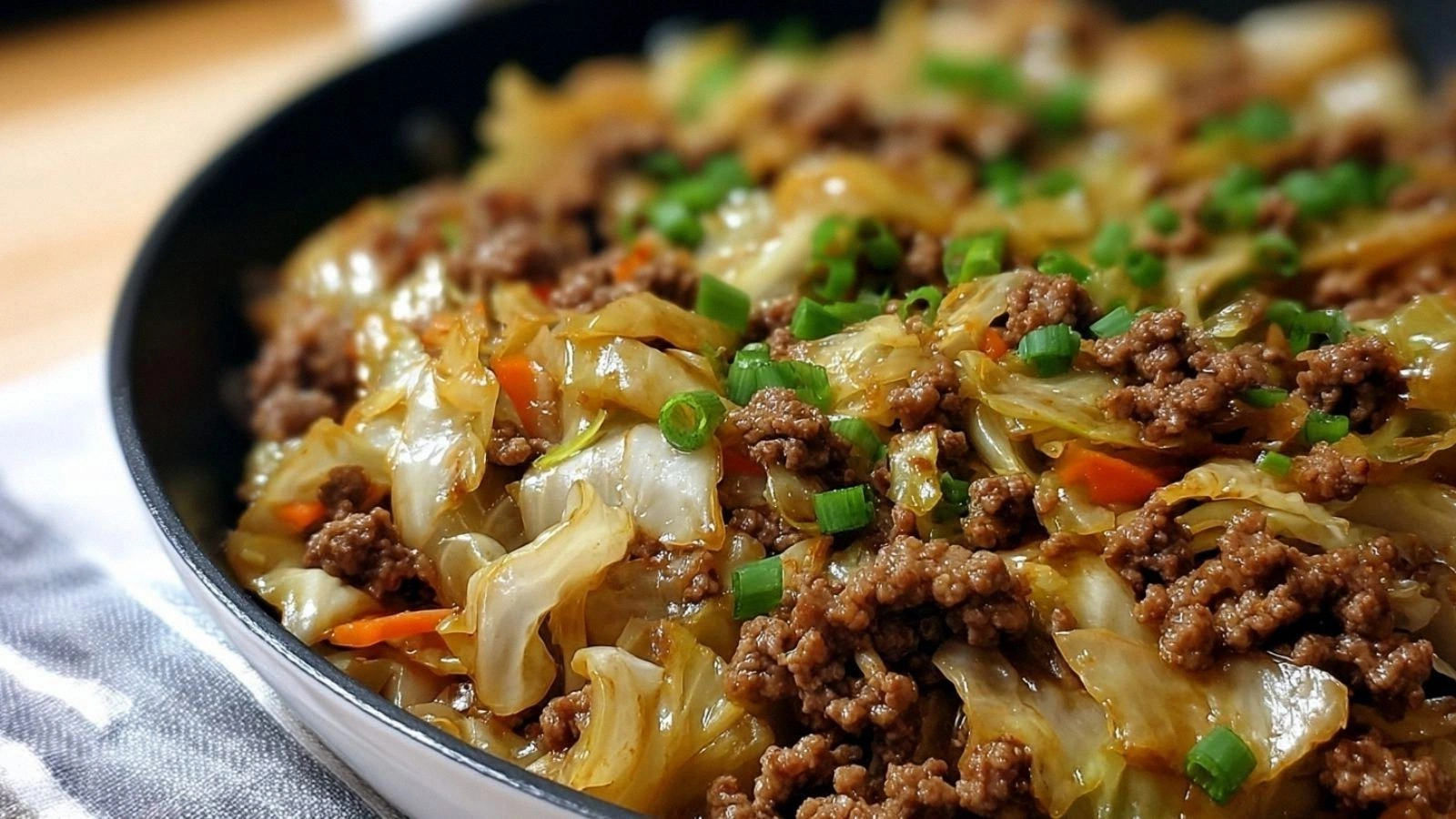
The Method — Step by Step
- Heat a large skillet over medium‑high heat until it shimmers. Add the ground beef in a single layer, letting it sear without stirring for 2–3 minutes. This creates a caramelized crust that locks in flavor. Flip the meat once, breaking it into smaller pieces, and let it cook for another 2 minutes. The goal is a golden brown, not a browned mess.
- Remove the beef and set it aside on a plate. In the same skillet, add the diced onion and a splash of water to deglaze. Scrape up the browned bits, which are packed with flavor. The onion should start to soften after about a minute, releasing its natural sweetness. This step is crucial for depth.
- Return the beef to the pan. Add minced garlic and ginger, sautéing for 30 seconds until fragrant. The aroma should fill the kitchen, hinting at the dish’s final flavor profile. Stir constantly to prevent burning. The garlic should turn golden, not brown.
- Pour in the soy sauce, rice vinegar, and sesame oil. Stir until the liquid is fully incorporated and the sauce begins to thicken slightly. The mixture should look glossy and cling to the meat. Keep the heat on medium to avoid burning the vinegar’s sharpness. The sauce should bubble gently.
- Reduce the heat to low and add the cabbage in one generous handful. Toss until the cabbage starts to wilt but still retains some crunch. The cabbage should take about 3–4 minutes to soften, but avoid overcooking. The color should shift to a vibrant green. This maintains the low‑carb nature.
- Sprinkle in the red pepper flakes and season with salt and pepper to taste. Stir everything together, ensuring the spices are evenly distributed. The heat from the flakes should be noticeable but not overpowering. The sauce should coat the cabbage and beef evenly. Taste for balance.
- Let the mixture simmer for 5 minutes, allowing the flavors to meld. The sauce should thicken to a silky consistency that coats the meat and cabbage. Check occasionally to make sure nothing sticks to the pan. The cabbage should be tender yet still crisp.
- Finish by adding the toasted sesame seeds and sliced green onions. Toss gently to distribute the crunchy seeds and fresh onion tops. Remove from heat. Let it rest for a minute before serving to allow the juices to redistribute.
That’s it— you did it. But hold on, I’ve got a few more tricks that will take this to another level. The next section will give you insider tips that will elevate even the simplest version of this dish. Keep reading, and you’ll become the chef everyone envies.
Insider Tricks for Flawless Results
The Temperature Rule Nobody Follows
Cooking beef at too low a temperature results in a dry, tough texture. The secret is a hot pan that sears the exterior quickly. I always pre‑heat the skillet until it’s smoking before adding the meat. This creates a caramelized crust that locks in moisture. Remember, a quick sear is the foundation of flavor.
Why Your Nose Knows Best
Don’t rely solely on the visual cues of doneness. Smell the beef; it should have a robust, meaty aroma. The scent of garlic and ginger rising from the pan signals that the aromatics have released their full potential. If the aroma is faint, give the pan a minute longer. A strong scent means the flavors are ready.
The 5‑Minute Rest That Changes Everything
After cooking, let the dish rest for 5 minutes. This allows the juices to redistribute throughout the meat and cabbage. If you cut into it immediately, the juices will spill out, leaving it dry. The rest also helps the sauce thicken slightly, giving it that silky coat. I’ve seen dishes crumble if I skip this step.
Use a Splatter Guard for Clean Cooking
Ground beef often splatters when searing. A splatter guard keeps the stove clean and prevents accidental burns. It also keeps the heat concentrated on the meat, ensuring a better sear. I keep a disposable guard in my kitchen for all searing tasks. It’s a small investment for a cleaner cooking experience.
Keep the Cabbage Crisp
To preserve crunch, add the cabbage halfway through cooking. This prevents it from overcooking and turning mushy. If you prefer a softer texture, add it at the beginning. The key is to watch the color change to a bright green before it softens. This simple tweak can make or break the dish.
Creative Twists and Variations
This recipe is a playground. Here are some of my favorite ways to switch things up:
Spicy Korean BBQ
Replace soy sauce with Korean gochujang for a spicy, fermented kick. Add sliced kimchi for extra umami and crunch. Use a splash of gochujang to give the sauce a vibrant red hue. This version is perfect for those who love bold, fiery flavors.
Herb‑Infused Fusion
Stir in chopped fresh basil or cilantro for a Mediterranean twist. Add a pinch of dried oregano to deepen the herbaceous notes. The fresh herbs brighten the dish, making it feel lighter. Great for a summer dinner.
Cheesy Surprise
Fold in shredded mozzarella or cheddar at the end, allowing it to melt over the hot meat. The cheese adds a creamy layer that contrasts the savory sauce. Sprinkle with a few extra sesame seeds for crunch. This variation turns the dish into a comfort‑food classic.
Low‑Sodium Edition
Use a low‑sodium soy sauce or tamari and reduce the amount of salt added. The natural flavors of the beef and cabbage shine through. Add a splash of coconut aminos for a sweet, savory balance. This version is ideal for those watching sodium intake.
Vegan Version
Swap ground beef for crumbled tempeh or textured vegetable protein. Use a vegan soy sauce and sesame oil. The tempeh provides a meaty texture that mimics the original. This version keeps the low‑carb profile intact.
Gluten‑Free Twist
Use tamari instead of soy sauce to keep the dish gluten‑free. Ensure your sesame oil is certified gluten‑free. The flavor remains robust, and the dish stays safe for celiacs. It’s a simple swap that expands the recipe’s reach.
Storing and Bringing It Back to Life
Fridge Storage
Store the cooked dish in an airtight container for up to 3 days. The cabbage may soften slightly, but the beef remains juicy. When ready to eat, reheat over low heat with a splash of water to re‑hydrate. The sauce will cling again, restoring the dish’s original texture.
Freezer Friendly
Freeze in single‑serving portions for up to 2 months. Wrap tightly with foil and place in a freezer bag. Thaw overnight in the refrigerator before reheating. The beef stays tender, and the cabbage retains its crunch if reheated properly.
Best Reheating Method
Use a skillet over medium heat, adding a tablespoon of water or broth to prevent drying. Stir frequently to ensure even heating. The sauce should thicken to a glossy finish. Reheat just until the dish is piping hot, then serve immediately. Avoid microwaving, which can make the texture uneven.
Remember to add a tiny splash of water before reheating—it steams back to perfection, keeping every bite moist and flavorful.