I still remember the night I tried to make sushi at home and ended up with a sticky, soggy mess that looked more like a rice pudding than a culinary masterpiece. The kitchen smelled of overcooked rice, a faint hint of vinegar, and the unmistakable aroma of fresh fish that I had bought from the market. I was determined to turn that disaster into something spectacular, and after a few frantic experiments, I stumbled upon the idea of turning sushi into a pizza‑style delight. This is the moment I discovered the perfect marriage of crispy rice crust, fresh fish slices, and a medley of toppings that sing together like a jazz quartet.
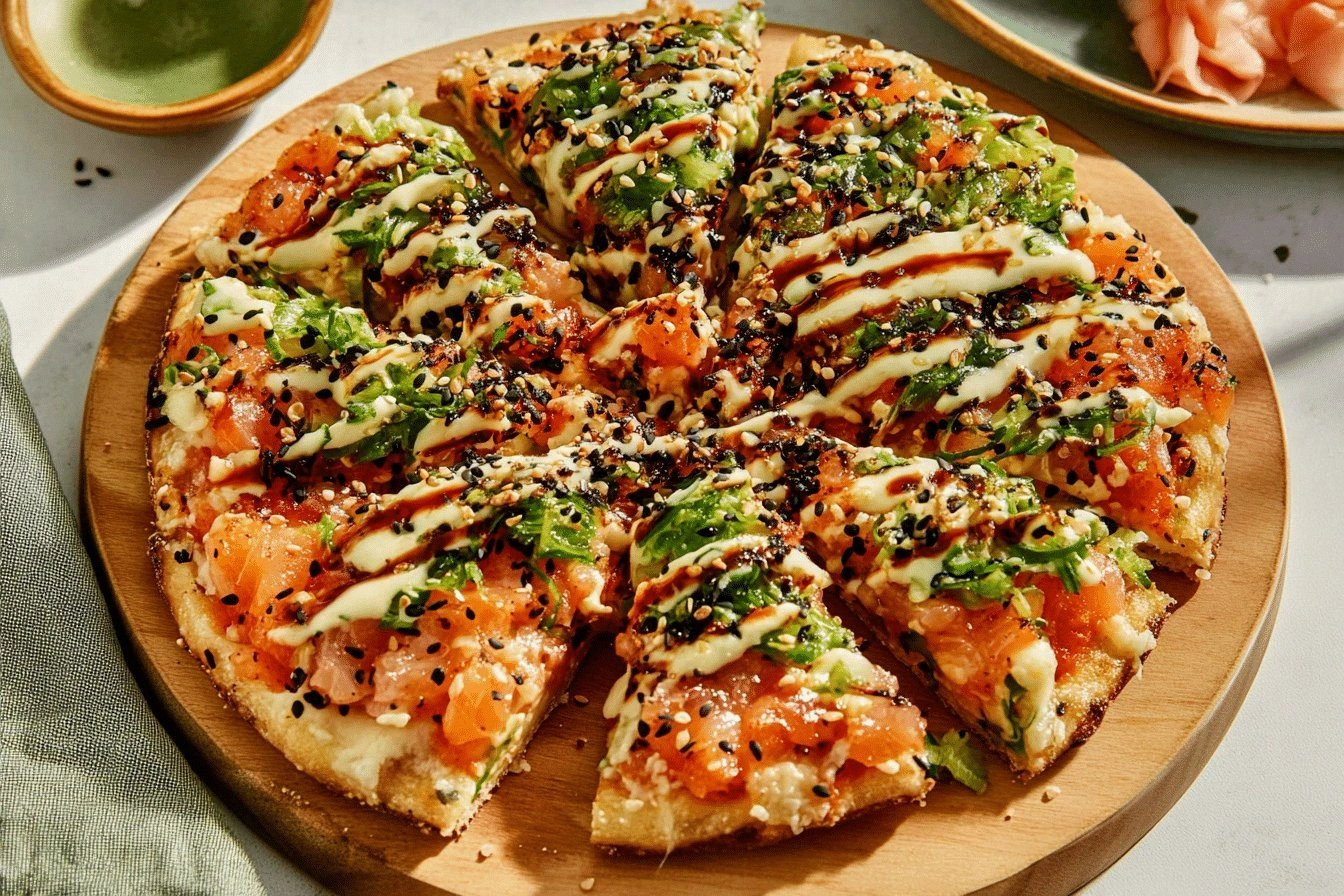
Picture this: a golden, slightly charred base of sushi rice that crackles under your knife like a well‑timed drumbeat. The scent of toasted rice mingles with the sharp tang of rice vinegar, while a drizzle of soy sauce gives the whole thing a subtle umami kiss. As you cut into it, the rice releases a gentle steam that carries the buttery aroma of avocado and the crisp snap of cucumber. Your taste buds are greeted by the silky texture of fresh salmon, the subtle heat of spicy mayo, and the satisfying crunch of tempura flakes. The whole experience feels like a culinary rollercoaster that starts with a gentle climb and ends with a thrilling, satisfying finish.
What makes this version stand out is not just the individual flavors, but how they are layered and presented. The sushi rice is cooked to a perfect crisp, providing a sturdy base that holds the toppings without becoming soggy. The fish is sliced thin enough to melt in your mouth yet thick enough to hold its shape, creating a contrast of textures that keeps the dish exciting. The use of tempura flakes adds a surprising crunch that breaks the monotony of the rice and fish, while the avocado provides a creamy counterpoint that balances the richness of the mayo. Finally, the subtle umami of nori sheets and the bright freshness of cucumber bring depth and balance to the dish, making it a complete sensory experience.
I dare you to taste this and not go back for seconds, because each bite is a revelation that will have you asking, “What else can I add?” The secret sauce—an artful blend of mayonnaise and a splash of wasabi—coats the pizza like velvet, creating a silky, spicy layer that lingers on the palate. The crispy edges that shatter like thin ice when you bite into them are a testament to the careful cooking technique that I’ll walk you through step by step. The whole dish is a symphony of textures and flavors that will make you feel like you’re dining at a high‑end sushi bar without leaving your kitchen. Let me walk you through every single step—by the end, you’ll wonder how you ever made it any other way.
What Makes This Version Stand Out
- Taste: The combination of sushi vinegar, fresh fish, and a spicy mayo creates a flavor profile that is both familiar and adventurous, delivering a punch of umami that lingers on the tongue.
- Texture: A crispy rice crust that holds up under the weight of toppings, paired with the buttery smoothness of avocado and the crunchy tempura flakes, offers a delightful contrast in every bite.
- Visual Appeal: The vibrant colors of salmon, cucumber, avocado, and sesame seeds arranged like a miniature masterpiece make this dish Instagram‑worthy.
- Ease of Assembly: Once the rice is pre‑cooked and seasoned, the assembly is as simple as spreading and layering, making it a breeze for beginners and pros alike.
- Make‑Ahead Potential: You can prepare the rice and toppings ahead of time, then assemble just before serving, which is ideal for parties or gatherings.
- Ingredient Quality: Using sushi‑grade fish ensures a buttery mouthfeel and a clean, fresh taste that elevates the entire dish.
- Health Conscious: The dish balances protein, healthy fats, and carbohydrates while keeping calories moderate, making it a guilt‑free indulgence.
- Versatility: Swap the fish for shrimp or tofu, or add a splash of sriracha for extra heat—this recipe adapts to your cravings and dietary needs.
Alright, let's break down exactly what goes into this masterpiece...
Inside the Ingredient List
The Flavor Base
Sushi Rice and Rice Vinegar form the cornerstone of this dish. The rice must be short‑grain to achieve that sticky yet firm texture that holds the toppings. The vinegar not only adds a subtle tartness but also helps the rice set into a cohesive, slightly crunchy sheet. If you skip the vinegar, the rice will taste bland and will not caramelize properly.
The amount of vinegar matters; too much will overpower the delicate fish, while too little will leave the rice flat and unappetizing. A good rule of thumb is to use about 3 tablespoons of rice vinegar per cup of uncooked rice. This ratio keeps the flavor balanced and lets the other ingredients shine. If you prefer a sweeter profile, add a teaspoon of sugar to the vinegar mixture.
Choosing the right rice is essential. Look for a brand that is specifically labeled as sushi rice or short‑grain Japanese rice. These varieties have the right amount of starch to create the perfect bite. Avoid long‑grain varieties, which will result in a dry, crumbly texture that won’t hold up under the toppings.
The Texture Crew
Sushi‑Grade Fish is the star of the show. Fresh salmon, tuna, or yellowtail sliced thinly provide a buttery, melt‑in‑your‑mouth experience. The quality of the fish dictates the overall mouthfeel; a less fresh cut will feel rubbery and lack the desirable silky texture.
Avocado brings creaminess that contrasts with the crisp rice and crunchy tempura flakes. When sliced correctly, avocado should hold its shape and not turn mushy. The ideal avocado is ripe but firm, so it slices cleanly without collapsing.
Tempura Flakes add a delightful crunch that breaks the monotony of the rice. They’re typically made from a light batter and deep‑fried until golden. The flakes should be toasted just before serving to preserve their crunch.
Cucumber adds a refreshing snap and a mild, watery flavor that balances the richness of the fish and avocado. Slice it into thin rounds or matchsticks so it doesn’t overpower the dish.
Pickled Ginger and Sesame Seeds are finishing touches that elevate the presentation and add layers of flavor. Ginger provides a sweet, peppery bite that cuts through the richness, while sesame seeds add a nutty aroma and subtle crunch.
The Unexpected Star
Mayonnaise‑Based Sauce—whether spicy or wasabi—acts as a creamy, spicy glaze that ties all components together. The mayo should be thick enough to coat the toppings without dripping, creating a glossy finish that is visually appealing.
Nori Sheets add a subtle umami flavor and a hint of seaweed that complements the fish. They can be used as a thin layer over the rice or shredded as a garnish. Their delicate taste enhances the overall depth of the dish.
Soy Sauce or Tamari is used for dipping or drizzling. Tamari offers a gluten‑free alternative with a richer flavor profile, while regular soy sauce provides a classic taste. The choice depends on dietary preferences and desired flavor intensity.
The Final Flourish
Seasoning the rice with a pinch of salt before cooking ensures the base is savory and balanced. The salt also helps the rice grains set into a cohesive sheet that crisps up beautifully. Without it, the rice can taste flat and bland.
A splash of water before reheating (if you’re storing the pizza) will keep the rice from drying out. The water creates steam that rehydrates the rice, bringing back its original texture. This simple trick ensures your sushi pizza remains fresh even after a day.
Everything's prepped? Good. Let's get into the real action...
The Method — Step by Step
- Heat a large non‑stick skillet over medium‑high heat and lightly oil it with a neutral oil that has a high smoke point, like grapeseed or canola. The oil should shimmer but not smoke; this is the cue that the pan is ready. Place the cooled, seasoned sushi rice in the pan, pressing it into an even layer with a spatula. Let it cook undisturbed for about 4-5 minutes until the bottom turns golden brown and crisp. Flip the rice in one go, using a spatula to press it again, and cook for another 3-4 minutes. The goal is a lightly toasted crust that still holds the toppings without becoming too hard.
- While the rice is crisping, prepare the fish. Slice your sushi‑grade fish into thin, bite‑size strips, about 1/4 inch thick. The thinner the slice, the more it will melt into the rice, creating a silky texture. Arrange the fish on a clean cutting board and season lightly with a pinch of salt and a drizzle of sesame oil to enhance its natural flavor.
- Slice the avocado into wedges, keeping the skin on for a decorative touch. The avocado should be ripe but firm enough to hold its shape when placed on the rice. Arrange the avocado slices on top of the fish, ensuring they cover a generous portion of the crust. This layer provides a creamy contrast that balances the sharpness of the mayo and the crunch of the tempura flakes.
- Drizzle the mayonnaise‑based sauce over the avocado and fish, spreading it evenly with a spoon or spatula. The sauce should coat the toppings like a silky glaze, adding a subtle heat and creamy texture. Sprinkle tempura flakes over the sauce, ensuring they are evenly distributed for that satisfying crunch.
- Add thinly sliced cucumber to the top, arranging the rounds in a circular pattern around the pizza. The cucumber not only adds a refreshing bite but also a burst of color that enhances the visual appeal. Lightly drizzle a few drops of soy sauce or tamari over the cucumber for a savory finish.
- Tear the nori sheets into thin strips or crumble them into fine shreds. Sprinkle the nori over the entire pizza, letting the seaweed’s subtle umami flavor infuse the dish. The nori also adds a slight crunch that complements the tempura flakes.
- Finish with a final drizzle of soy sauce or tamari, a sprinkle of pickled ginger, and a scattering of toasted sesame seeds. The ginger adds a sweet, peppery bite that cuts through the richness, while the sesame seeds provide a nutty aroma that lingers on the palate.
- Transfer the assembled sushi pizza to a serving platter and slice it into wedges using a sharp knife. Serve immediately, or if you’re prepping ahead, cover tightly with plastic wrap and refrigerate. When ready to serve, let it sit at room temperature for 10 minutes to allow the flavors to meld.
That's it — you did it. But hold on, I've got a few more tricks that'll take this to another level...
Insider Tricks for Flawless Results
The Temperature Rule Nobody Follows
Cooking the rice at the right temperature is crucial for achieving that perfect crisp. Too low, and the rice will stay soggy; too high, and it burns quickly. Start with medium‑high heat and adjust as needed based on the pan’s response. If you notice the rice is browning too fast, lower the heat slightly and let it cook more evenly.
Why Your Nose Knows Best
Smell is a powerful indicator of doneness. As the rice cooks, you’ll notice a nutty aroma that signals the starches are caramelizing. When the aroma becomes slightly toasty and the edges begin to pull away from the pan, you’re ready to flip the rice. Trust your nose; it’s the best judge of texture.
The 5-Minute Rest That Changes Everything
After flipping the rice, let it rest for 5 minutes before adding toppings. This brief pause allows the moisture to redistribute, ensuring the crust stays crisp rather than steaming. During this time, you can prep the fish and avocado, making the final assembly a breeze.
Keep the Toppings Dry
Moisture is the enemy of a crispy base. Pat the avocado and fish dry with a paper towel before placing them on the rice. This small step prevents the rice from becoming soggy and keeps each bite crisp and satisfying.
The Perfect Sauce Balance
Spicy mayo can be overpowering if not balanced. Mix the mayonnaise with a small amount of soy sauce and a splash of rice vinegar to cut the richness. Adjust the heat by adding more sriracha or wasabi to suit your palate.
The Final Touch of Umami
A light drizzle of tamari or a sprinkle of bonito flakes after assembly adds a savory depth that elevates the dish. If you’re vegan, opt for a mushroom‑based umami sauce to mimic the umami flavor. This final touch ensures every bite is layered with flavor.
Creative Twists and Variations
This recipe is a playground. Here are some of my favorite ways to switch things up:
Mediterranean Sushi Pizza
Swap the sushi‑grade fish for marinated grilled chicken or lamb. Add a layer of hummus, chopped olives, and crumbled feta. Drizzle with a lemon‑yogurt sauce for a bright, tangy finish. The result is a fusion of Mediterranean and Japanese flavors that will wow your guests.
Spicy Korean Twist
Replace the mayo with a spicy gochujang sauce and add kimchi slices on top. Sprinkle toasted sesame seeds and a dash of gochugaru for heat. Finish with a drizzle of sesame oil. This version delivers a fiery kick and a chewy texture from the kimchi.
Vegan Delight
Use marinated tofu or tempeh instead of fish. Replace mayo with a cashew‑based sauce and add a layer of sautéed mushrooms. Top with avocado, cucumber, and a sprinkle of hemp seeds. The dish remains creamy, crunchy, and full of umami.
Seafood Supreme
Add a mix of shrimp, scallops, and octopus to the fish layer. Drizzle with a garlic‑infused oil and finish with a squeeze of lime. The combination of textures and flavors makes this a luxurious, oceanic treat.
Breakfast Sushi Pizza
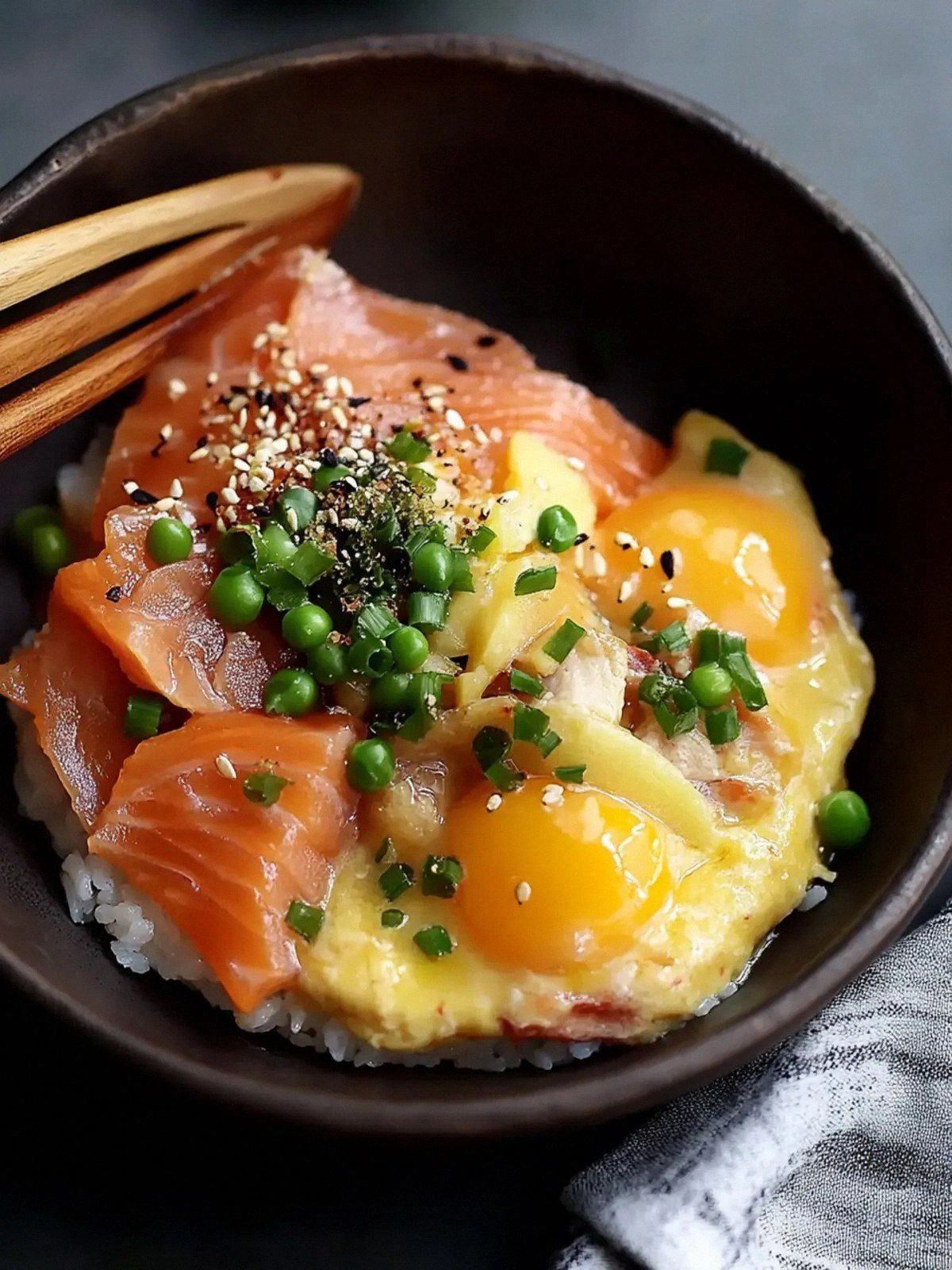
Replace the rice with a thin layer of scrambled eggs. Add smoked salmon, avocado, and a sprinkle of chives. Drizzle with a hollandaise‑like sauce. This breakfast version is a savory, protein‑packed start to your day.
Dessert Sushi Pizza
Swap the fish with fresh strawberries, mango slices, and a drizzle of honey. Use a sweetened rice vinegar blend to season the rice. Finish with a dusting of coconut flakes and a splash of coconut milk. This sweet take turns the sushi pizza into a tropical dessert.
Storing and Bringing It Back to Life
Fridge Storage
Store the sushi pizza in an airtight container for up to 24 hours. To maintain crispness, place a paper towel under the pizza to absorb excess moisture. When ready to serve, let it sit at room temperature for 10 minutes to restore the rice’s texture.
Freezer Friendly
For longer storage, wrap the sushi pizza tightly in plastic wrap, then place it in a freezer bag. Freeze for up to 3 days. To thaw, leave it in the refrigerator overnight and reheat in a skillet over medium heat for a few minutes to revive the crispness.
Best Reheating Method
Reheat the pizza in a non‑stick skillet over medium heat, flipping once. A splash of water before reheating creates steam that rehydrates the rice without making it soggy. Finish with a quick drizzle of soy sauce for flavor.