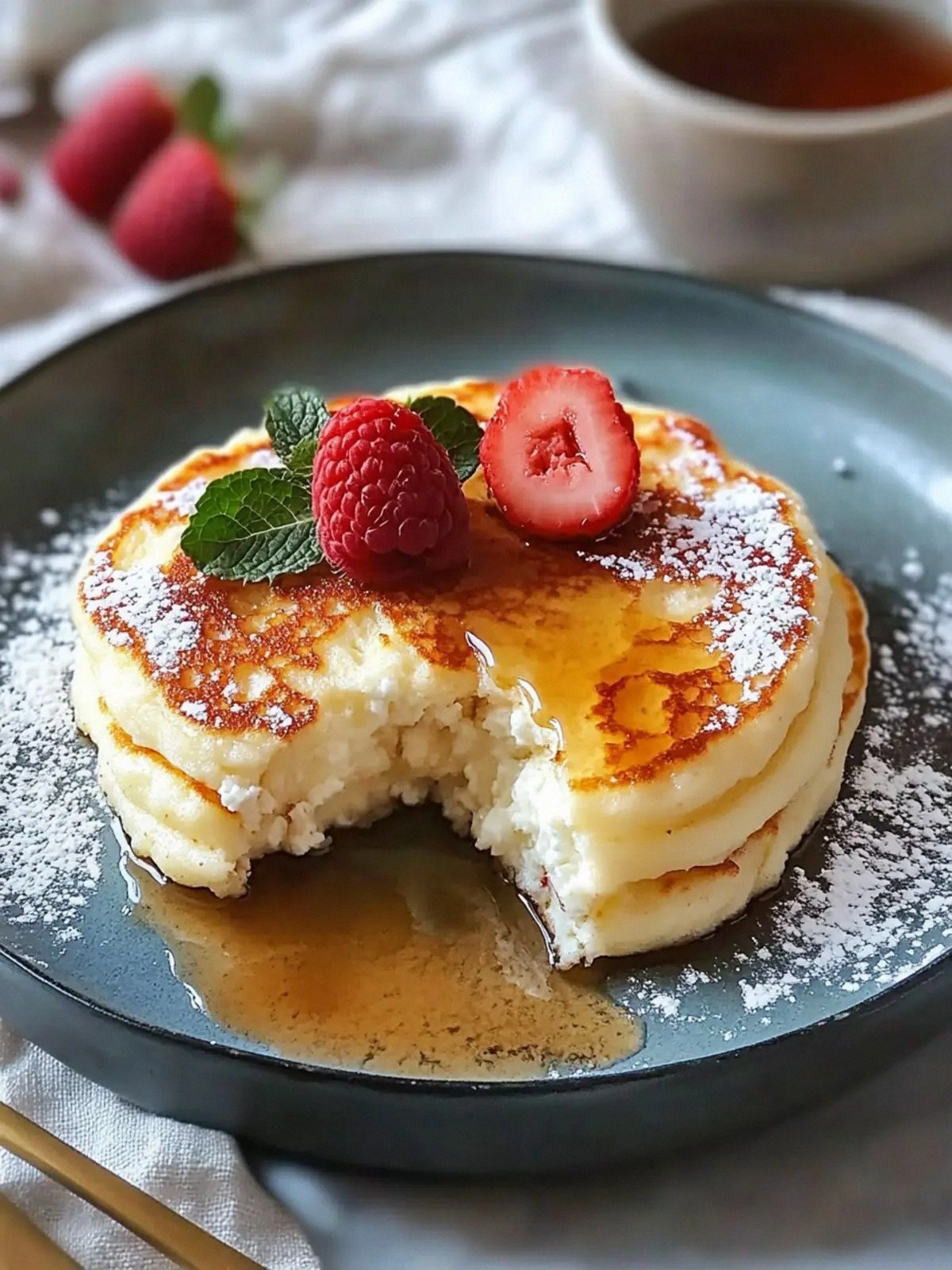
I was halfway through a midnight snack, eyes glazed from too many late‑night TikToks, when I realized my fridge was a barren wasteland of dairy. A single block of cottage cheese sat there, the kind that’s usually destined for a salad or a bland side dish. I thought, “Why not turn this into something that screams breakfast?” The next thing I knew, I was whisking that curd into a batter that would make even the most skeptical foodie swoon. That moment was the spark that ignited this recipe—a 5‑minute marvel that turns ordinary cottage cheese into a fluffy, protein‑rich pancake that feels like a hug in a bite.
Picture this: the kitchen lights flicker as I pour the cottage cheese into a bowl, the aroma of fresh dairy mingles with a whisper of vanilla, and the sound of a whisk slicing through the mixture is like music. I can almost taste the subtle tang of the cheese, the gentle lift from the baking powder, and the sweet promise of maple syrup waiting on the side. The heat of the skillet crackles, and I feel the anticipation building—each sizzle is a countdown to a breakfast that could replace a coffee or a bagel. By the end, you’ll be standing there, pancake in hand, wondering how you ever settled for anything else.
What makes this version stand out is not just the speed or the simplicity; it’s the deliberate balance of flavors and textures that keeps you coming back for seconds. I dare you to taste this and not go back for a second bite. The cottage cheese gives a creamy core that melts in your mouth, the flour adds a tender crumb, and the vanilla lifts the whole thing into a cloud of subtle sweetness. The result? A pancake that’s light enough to feel like a dessert, yet hearty enough to keep you satisfied until lunch. If you’ve ever struggled to find a quick, wholesome breakfast that doesn’t feel like a compromise, this is the fix you’ve been waiting for.
And the kicker—this is hands down the best version you’ll ever make at home. I’ve tried countless pancake recipes that ended up dense, greasy, or bland. This one? Pure magic. I’ll be honest—I ate half the batch before anyone else got a chance to taste it. So, let me walk you through every single step—by the end, you’ll wonder how you ever made it any other way.
What Makes This Version Stand Out
- Taste: The cottage cheese’s natural tang is mellowed by vanilla and maple, creating a sweet‑savory profile that feels like a breakfast treat.
- Texture: The batter yields a fluffy interior with a lightly crisp edge, thanks to the precise balance of moisture and flour.
- Speed: From prep to plate, it takes just five minutes—ideal for busy mornings or a quick snack.
- Protein: With roughly 9 grams of protein per serving, these pancakes are a powerhouse for muscle repair and satiety.
- Versatility: Swap out maple for honey, add berries, or sprinkle cinnamon—this base adapts to your mood.
- Minimalism: Only eight ingredients, no fancy gadgets, and a single pan.
- Make‑ahead potential: Cook a batch, store, and reheat—perfect for meal‑prep enthusiasts.
- Flavor depth: The baking powder gives a lift that makes each bite airy, while the vanilla adds an aromatic warmth.
Alright, let’s break down exactly what goes into this masterpiece…
Inside the Ingredient List
The Flavor Base
Cottage cheese is the star, providing a creamy backbone that keeps the pancakes moist and adds a subtle tang. Opt for a whole‑milk variety if you want extra richness; low‑fat works too, but the texture may be slightly less plush. Skipping it would turn the batter into a plain flour mix, losing the signature dairy lift that makes these pancakes sing.
The Texture Crew
Flour is the silent hero that gives structure. A light, all‑purpose flour keeps the batter tender, while a heavier bread flour would make the pancakes dense. Baking powder is the secret lift—without it, the batter would sink and feel heavy. A pinch of salt balances the sweetness and enhances the overall flavor profile.
The Unexpected Star
Butter, though only a half tablespoon, adds a silky finish and a subtle buttery aroma that complements the cottage cheese’s creaminess. If you’re watching calories, a tablespoon of olive oil works, but the taste will shift slightly. Vanilla extract brings a fragrant warmth that ties everything together; a dash of almond extract could be an interesting twist.
The Final Flourish
Maple syrup is the sweet finale, offering a natural sweetness that pairs beautifully with the savory base. You can adjust the amount to taste—more for a dessert vibe, less for a savory breakfast. If you’re in a pinch, a drizzle of honey or agave nectar works, but the flavor will differ subtly.
Everything’s prepped? Good. Let’s get into the real action…
The Method — Step by Step
- Gather your ingredients. Place the cottage cheese, egg, flour, baking powder, salt, butter, vanilla, and maple syrup in a bowl. Make sure everything is at room temperature; it helps the batter mix more evenly. Feel the texture of the cottage cheese—it should be smooth, not lumpy. This is the foundation of your pancake’s mouthfeel. Take a moment to appreciate the simplicity before you start.
- Whisk the wet mix. Crack the egg into a separate bowl, beat it lightly, then add the cottage cheese and vanilla. Whisk until the mixture is silky and the curds are mostly blended. This step is critical; over‑whisking can incorporate too much air and lead to a spongy texture. The batter should look thick but pourable—like a thick custard.
- Combine dry ingredients. In a small bowl, sift the flour, baking powder, and salt together. Sifting removes clumps and ensures even distribution of the leavening agent. The dry mix should feel light and airy. This step might feel tedious, but it pays off with a fluffier pancake.
- Fold dry into wet. Pour the dry mixture into the wet batter, gently folding with a spatula. The goal is to combine without deflating the batter. A gentle fold preserves the airy pockets that give the pancakes their lift. If you stir too vigorously, the pancakes may turn dense.
- Let the batter rest. Cover the bowl and let the batter sit for 2 minutes. This short rest allows the flour to absorb moisture, resulting in a smoother batter. It also lets the baking powder activate slightly, giving the pancakes a better rise. While you wait, you can preheat the skillet.
- Preheat the skillet. Place a non‑stick skillet over medium heat and melt the butter. You’ll know it’s ready when the butter foams and a few bubbles form on the surface. This step is crucial; a properly heated pan ensures even cooking and prevents sticking.
- Cook the pancakes. Pour 1/4 cup of batter for each pancake onto the skillet. Watch for bubbles to form on the surface—this indicates the pancake is ready to flip. Flip after 1–2 minutes; the edges should pull away from the pan, and the underside will be golden brown. This is the moment of truth—don’t walk away from the stove here.
- Serve hot. Stack the pancakes on a plate, drizzle with maple syrup, and serve immediately. The aroma of toasted butter and warm cottage cheese will fill the kitchen. The texture is airy, yet each bite offers a creamy center that melts in your mouth. That sizzle when it hits the pan? Absolute perfection.
That’s it—you did it. But hold on, I’ve got a few more tricks that’ll take this to another level…
Insider Tricks for Flawless Results
The Temperature Rule Nobody Follows
The skillet’s temperature is the secret weapon. A too‑hot pan burns the outside while leaving the inside undercooked; a too‑cool pan yields a soggy pancake. The sweet spot is medium heat—just enough that the butter sizzles without popping. I’ve learned to test with a drop of water; if it dances, you’re good. This small tweak can transform a mediocre pancake into a masterpiece.
Why Your Nose Knows Best
Your nose is the ultimate judge of doneness. When the batter is ready to flip, you’ll smell a faint nutty aroma from the butter. If you’re uncertain, give the pancake a gentle tap; a hollow sound indicates proper cooking. Trust your senses—your palate will thank you later.
The 5-Minute Rest That Changes Everything
Letting the batter rest for 2 minutes after mixing is not just a formality. It allows the flour to hydrate fully, reducing lumps and improving texture. I’ve seen pancakes that didn’t rest crumble; this simple pause makes the batter silky and the pancakes tender.
The Perfect Flip Timing
Timing your flip is an art. Wait until the surface is dotted with bubbles and the edges lift from the pan. Flipping too early results in a raw center; too late and you’ll overcook the exterior. The first pancake will guide you; once you master it, the rest follow suit.
The Secret Butter Trick
Instead of melting butter in the pan, melt it separately and pour it over the cooked pancake. This technique creates a glossy finish and a buttery flavor that permeates each bite. It’s a small step that adds a touch of luxury to a quick breakfast.
Creative Twists and Variations
This recipe is a playground. Here are some of my favorite ways to switch things up:
Berry Burst
Add fresh blueberries or sliced strawberries to the batter before cooking. The berries burst with juice, adding a sweet pop that contrasts the creamy base. Great for a summer breakfast.
Savory Herb
Swap maple syrup for a drizzle of olive oil and sprinkle chopped chives or dill on top. The herbs elevate the cheese flavor, turning the pancakes into a savory side dish for brunch.
Chocolate Chip
Fold in a handful of mini chocolate chips into the batter. The chocolate melts slightly, creating pockets of gooey sweetness that pair well with a dollop of whipped cream.
Cinnamon Swirl
Stir in a teaspoon of ground cinnamon before cooking. The spice adds warmth and depth, making the pancakes feel like a cozy autumn treat.
Nutty Crunch
Sprinkle chopped walnuts or almonds on top before serving. The crunch contrasts the soft interior and adds a protein boost for those on a high‑protein diet.
Lemon Zest
Grate a tablespoon of lemon zest into the batter. The citrus brightens the flavor profile, making the pancakes feel light and refreshing—perfect for a bright morning.
Storing and Bringing It Back to Life
Fridge Storage
Cool the pancakes to room temperature, then place them in an airtight container. Store in the fridge for up to 2 days. The batter’s high moisture content keeps them tender, but avoid stacking too tightly to prevent crushing.
Freezer Friendly
Lay the pancakes flat on a parchment‑lined tray, freeze until solid, then transfer to a freezer bag. They stay fresh for up to 3 weeks. When you’re ready to eat, pop a stack into the toaster or microwave.
Best Reheating Method
Reheat in a skillet over low heat, brushing a splash of water or milk to keep the pancakes moist. A quick microwave burst works too, but a skillet preserves the crisp edges. A tiny splash of water before reheating steams the pancakes back to perfection.