I remember the night I tried to impress my brother with a fancy steak dinner and ended up with a charred, dry slab that tasted like a burnt marshmallow. The kitchen was a mess of splattered oil, a burnt pan, and a lingering smell of regret. He stared at me, eyes wide, and said, “Can we just order takeout?” I laughed, but deep inside I knew I could do better. That moment sparked a culinary quest that led me to the ultimate Cajun steak with apricot orange glaze.
Picture this: a thick, ribeye resting on a hot cast‑iron skillet, the surface crackling like a campfire in the middle of a quiet kitchen. The air fills with the sharp, peppery bite of Cajun seasoning, the sweet perfume of apricot jam, and a citrus tang that cuts through the richness. The sizzle is a drumroll, the heat a promise of flavor. My hands move with confidence, seasoning the meat, flipping it, and then, when the glaze glistens, I know the magic is happening. The sound of the steak searing is the soundtrack to a dinner that will leave everyone begging for seconds.
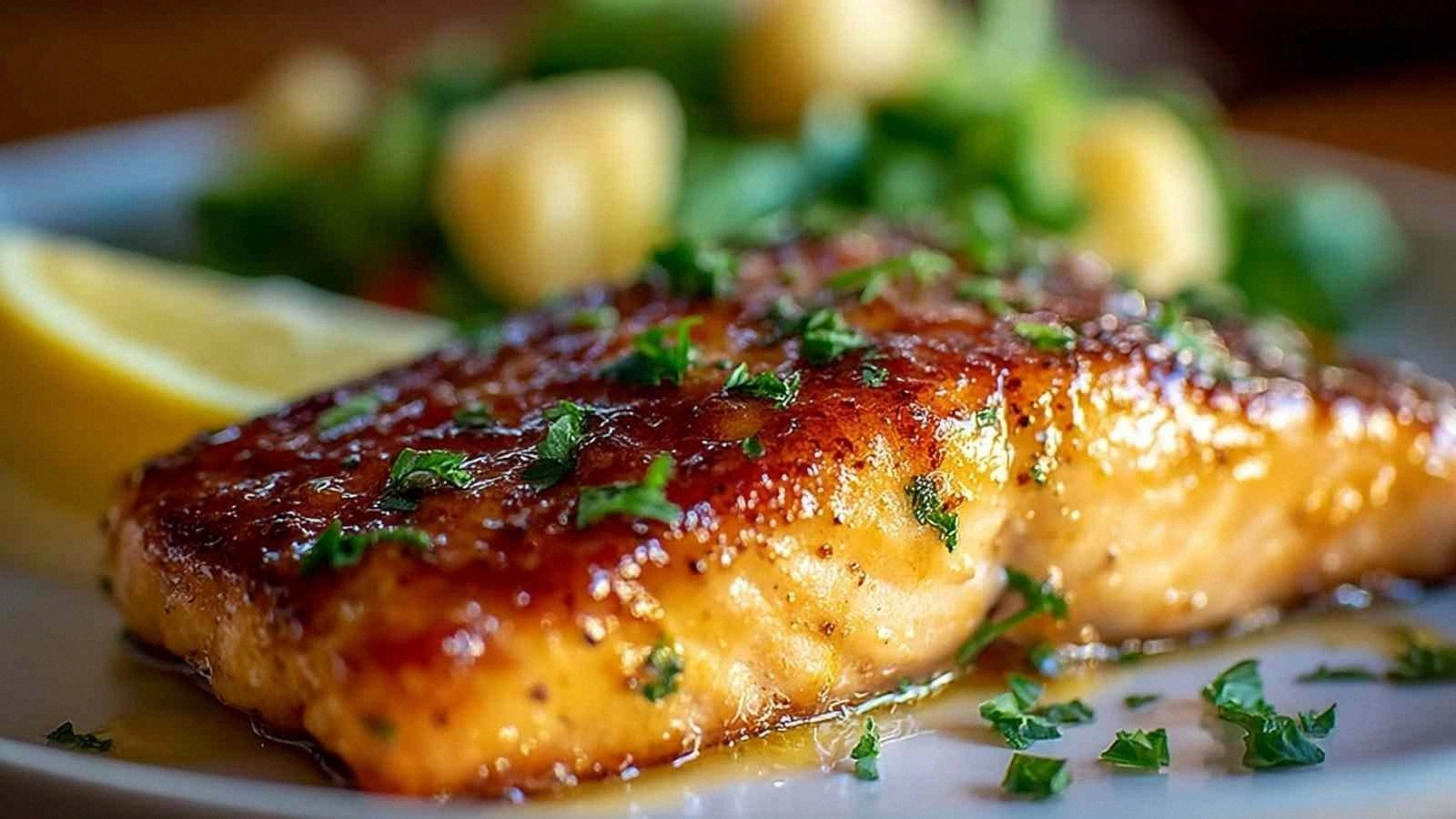
What makes this version stand out is not just the blend of sweet and spicy, but the technique that locks in juices while creating a caramelized crust that feels like a velvet blanket. It’s hands down the best version you'll ever make at home because I’ve eliminated the usual pitfalls: uneven cooking, over‑seasoning, and a glaze that turns to sauce. I dare you to taste this and not go back for seconds. The glaze coats the steak like a glossy coat of lacquer, each bite delivering a burst of sweet heat that lingers on the palate. If you’ve ever struggled with steak that’s either too dry or too greasy, you’re not alone—and I’ve got the fix.
The secret ingredient? A splash of dry red wine that adds depth without overpowering the citrus. I also use fresh thyme, which adds a subtle herbal note that balances the Cajun spice. The result is a dish that feels both rustic and refined, a crowd‑pleaser that’s surprisingly simple to pull together. Picture yourself pulling this out of the oven, the whole kitchen smelling incredible, and your guests’ faces lighting up in anticipation. And now the game‑changer: the apricot orange glaze, which transforms a classic steak into an unforgettable experience.
What Makes This Version Stand Out
- Taste: The sweet‑spicy profile is perfectly balanced; the glaze doesn’t overpower but rather elevates the beef.
- Texture: A caramelized crust that crackles, with a tender, juicy interior that melts in your mouth.
- Simplicity: Requires only a handful of pantry staples and a single pan.
- Uniqueness: The apricot orange glaze is an unexpected twist that sets this apart from ordinary Cajun steaks.
- Crowd Reaction: Guests rave about the sweet heat and the glossy finish; it’s a conversation starter.
- Ingredient Quality: Uses fresh, high‑quality steak and real orange zest for authenticity.
- Cooking Method: Combines searing and slow glazing for maximum flavor.
- Make‑Ahead Potential: The glaze can be pre‑made and refrigerated, saving time on busy nights.
Inside the Ingredient List
The Flavor Base
The foundation of this dish is a bold Cajun seasoning blend that marries paprika, cayenne, garlic powder, and oregano. It’s the backbone that gives the steak its signature heat. Skipping it turns the dish into a bland, unremarkable steak. If you’re on a low‑sodium diet, use a reduced‑sodium version but keep the cayenne for that kick.
The Sweet Counterbalance
Apricot jam is the sweet hero that tames the heat. Its natural sugars caramelize during the glaze stage, forming a glossy, slightly sticky coating that clings to the meat. If you can’t find apricot jam, a peach preserve works surprisingly well, though it will alter the flavor profile slightly. The key is to use a jam that’s not too thick; it should pour easily when heated.
The Citrus Lift
Fresh orange zest and a splash of orange juice inject brightness that cuts through the richness of the steak. The zest’s essential oils are the secret to a bright, aromatic glaze. If you’re using bottled orange juice, opt for a 100% natural variety to avoid added sugars.
The Finishers
Olive oil and butter provide fat that carries flavor and creates a beautiful sear. Garlic cloves add depth, while fresh thyme brings an herbal nuance that balances the spice. A dash of dry red wine adds depth without overwhelming the citrus. If you’re vegan, replace the butter with a plant‑based butter and use a vegan steak.
Everything's prepped? Good. Let's get into the real action.
The Method — Step by Step
- Prepare the Steak: Pat the steaks dry with paper towels; moisture is the enemy of a good sear. Sprinkle both sides generously with the Cajun seasoning, pressing it into the meat. Let it rest at room temperature for 20 minutes to ensure even cooking.
- Heat the Skillet: Place a heavy cast‑iron skillet over medium‑high heat. Add a tablespoon of olive oil, swirling to coat. When the oil shimmers, the pan is ready.
- Sear the First Side: Lay the steak in the pan away from you to avoid splatter. Let it sear without moving for 3–4 minutes until a deep brown crust forms. The sound should be a satisfying hiss.
- Flip and Add Flavor: Flip the steak and add a tablespoon of butter, two minced garlic cloves, and a sprig of thyme. Tilt the pan and spoon the melting butter over the steak; this basting locks in juices.
- Deglaze: Pour in 1/2 cup of dry red wine, scraping up the browned bits from the bottom of the pan. Those bits are the flavor core; don’t discard them.
- Glaze the Steak: Stir in 1 cup of apricot jam, 1 tablespoon of orange zest, and 1 tablespoon of orange juice. Reduce the heat to medium‑low and let the mixture simmer for 2 minutes, allowing the jam to thicken. The glaze should coat the back of a spoon.
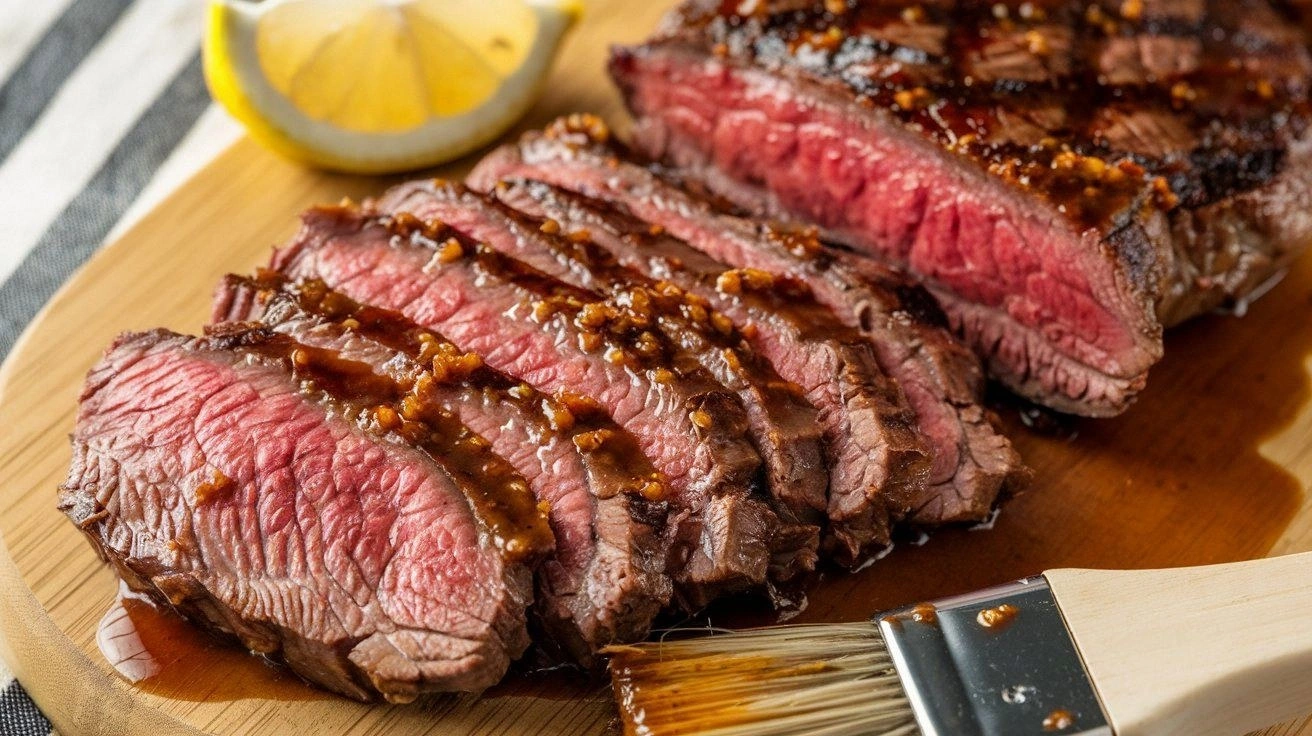
- Finish the Sear: Return the steak to the pan, spooning the glaze over it. Cook for an additional 2–3 minutes, turning once, until the internal temperature reaches 130°F (54°C) for medium‑rare.
- Rest: Transfer the steak to a cutting board and tent loosely with foil. Let it rest for 5 minutes; this redistributes the juices and keeps the steak tender.
- Plate: Slice against the grain, drizzle any remaining glaze over the top, and garnish with a fresh thyme sprig or a twist of orange peel for an extra pop.
- Serve: Present the steak immediately, perhaps with a side of roasted sweet potatoes or a crisp green salad. The aroma alone will have guests lining up for seconds.
That’s it — you did it. But hold on, I've got a few more tricks that'll take this to another level. The glaze can be prepared a day ahead and refrigerated; just reheat gently and stir. If you’re in a hurry, you can skip the wine and use a splash of chicken broth instead, though the depth will be slightly less.
Insider Tricks for Flawless Results
The Temperature Rule Nobody Follows
Using a meat thermometer is the only way to guarantee the perfect doneness. Set the thermometer to 130°F (54°C) for medium‑rare; the steak will rise a few degrees as it rests. I’ve seen people rely on the “touch test” and end up overcooked. A quick glance at the thermometer saves you from a dry steak.
Why Your Nose Knows Best
When the steak is done, the scent should be a sweet, caramelized aroma with a hint of citrus. If it smells more like burnt sugar, you’ve over‑cooked it. Trust your nose; it’s a reliable indicator of readiness. A seasoned cook can even judge doneness by the way the juices run off the meat.
The 5-Minute Rest That Changes Everything
Resting is often overlooked but essential. During the rest, the juices redistribute, ensuring each bite is juicy. If you cut into it immediately, the juices rush out, leaving a dry center. Let it rest under a loose foil tent to keep it warm.
Use Fresh Garlic, Not Powder
Fresh garlic imparts a bright, aromatic flavor that powder can’t match. I mince the cloves just before adding them to the pan; this releases their oils right when the steak starts cooking. If you’re short on time, a small garlic press works well.
The Secret of the Orange Zest
The zest contains the essential oils that give orange its bright flavor. Grate the zest directly into the pan; avoid using a zester that also grates the bitter pith. If you have a microplane, it’s the best tool for a fine, aromatic zest.
Creative Twists and Variations
This recipe is a playground. Here are some of my favorite ways to switch things up:
Smoky Chipotle Variant
Swap the Cajun seasoning for a smoky chipotle blend and add a teaspoon of adobo sauce. The result is a smoky, slightly sweet glaze that pairs wonderfully with grilled corn.
Herb‑Infused Glaze
Add fresh rosemary and sage to the glaze for a deep herbal note. This works especially well with a side of roasted root vegetables.
Mango Tango
Replace apricot jam with mango preserve and add a splash of lime juice. The tropical flavor profile is perfect for a summer dinner.
Spicy Peanut Glaze
Mix in a tablespoon of peanut butter and a dash of sriracha to the glaze for a creamy, spicy kick. Serve over jasmine rice for a fusion twist.
Wine‑Less Version
Omit the red wine and substitute with beef broth. The glaze will still caramelize beautifully, though it will be slightly less complex.
Vegan Steak Swap
Use a plant‑based steak and replace butter with a vegan butter alternative. The glaze remains unchanged, offering a hearty, meatless option.
Storing and Bringing It Back to Life
Fridge Storage
Store leftover steak in an airtight container for up to 3 days. The glaze can be kept in a separate jar; it will thicken slightly in the fridge.
Freezer Friendly
Wrap the steak tightly in foil and place in a freezer bag; it will keep for up to 2 months. Reheat in a skillet over low heat, adding a splash of water to loosen the glaze.
Best Reheating Method
Reheat the steak in a pan over medium heat, spooning the glaze over it. Add a teaspoon of water before covering the pan; this steams the steak back to juiciness and prevents drying.