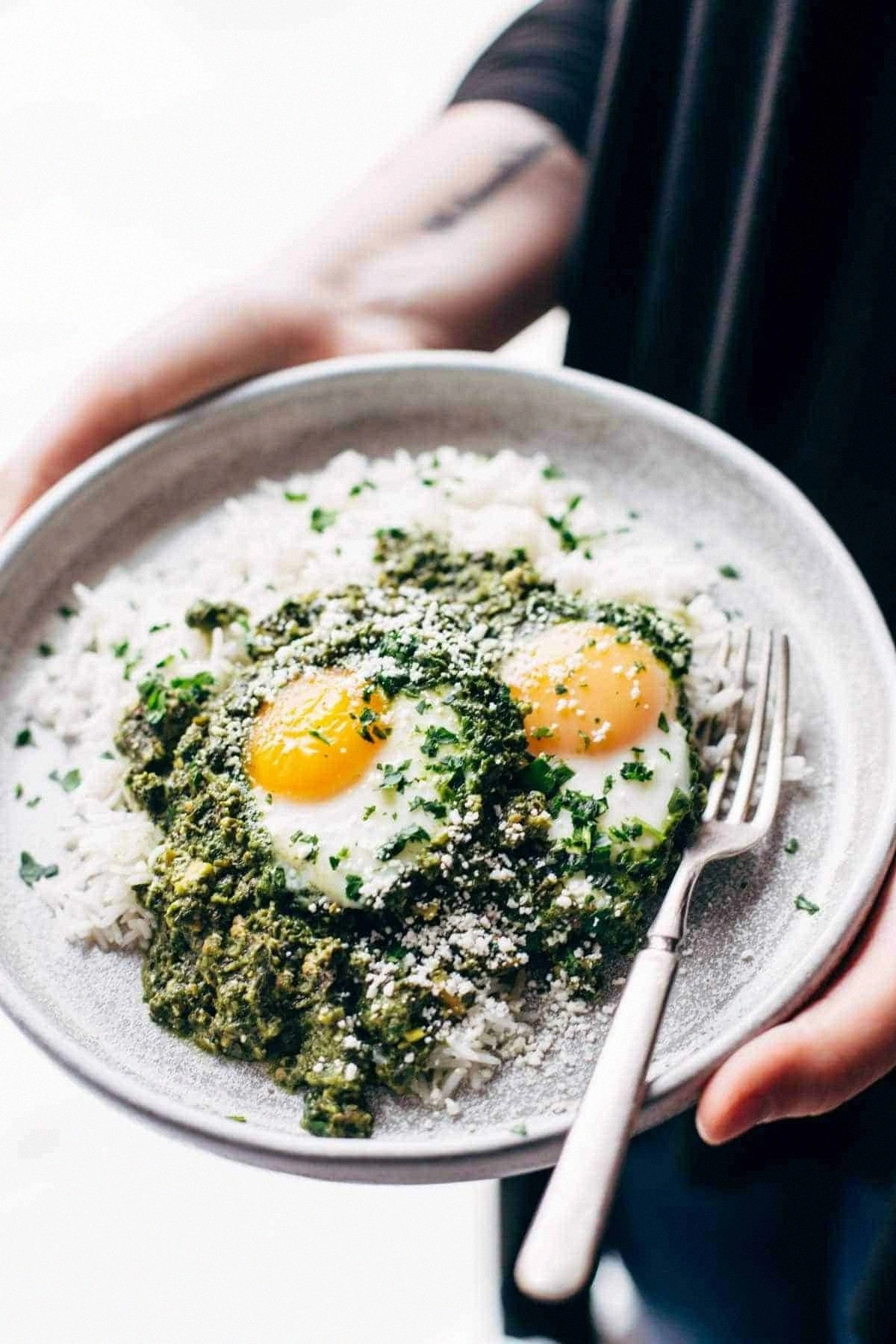
Picture this: I was halfway through a late‑night Netflix binge, the kitchen lights dim, and a sudden craving for something that felt both comforting and exotic hit me like a plot twist. I rummaged through the fridge, found a wilted bunch of spinach, a lonely bag of basmati rice, and a couple of eggs that were begging to be rescued from the back of the fridge. I tossed them together with a reckless confidence that only a sleep‑deprived foodie can muster, and what emerged was a neon‑green, creamy dream that had the whole apartment smelling like a Mediterranean garden after a summer rainstorm. I dare you to taste this and not go back for seconds.
Now, let me paint the whole sensory picture: the first sizzle of olive oil hitting a hot pan was a crisp, whispering crackle that made my heart race. The onions softened into translucent sweetness while the garlic released its pungent perfume, and the green chilies added a teasing heat that danced on my tongue. When I swirled in the spinach, kale, and fresh herbs, the pan turned a vivid emerald, and the heavy cream melted in like silk, turning everything into a velvety, glossy sauce that clung to each grain of rice like a lover’s embrace. The eggs, poached right in the sauce, set just enough to give a buttery bite without turning rubbery.
Most green shakshuka recipes either drown the greens in tomato or leave the sauce thin and watery – both crimes in my book. This version flips the script by using a creamy base that amplifies the earthiness of the greens while keeping the rice perfectly fluffy, making every spoonful a harmonious blend of textures. The secret? A splash of lemon juice that brightens the whole dish, and a dollop of feta that adds a salty crumble at the very end. I’ll be honest — I ate half the batch before anyone else got to try it, and it still tasted like the first bite.
But the real game‑changer is the technique I’ll share a few paragraphs down: I’ll show you how to “steam‑finish” the rice right in the sauce, so the grains soak up that green goodness without turning mushy. Okay, ready for the game‑changer? Let me walk you through every single step — by the end, you’ll wonder how you ever made it any other way.
What Makes This Version Stand Out
- Flavor Explosion: The combination of fresh herbs, smoky paprika, and a hint of harissa creates a layered taste that evolves with each bite, making your palate feel like it’s on a mini adventure.
- Creamy Texture: Heavy cream turned into a silky sauce that coats every grain of rice and leaf of greens, delivering a mouthfeel that’s richer than any tomato‑based shakshuka you’ve tried.
- Simplicity Meets Sophistication: Only nine pantry staples plus a handful of fresh greens, yet the result feels like something you’d order at a chic brunch spot.
- Unique Ingredient Pairing: Adding rice directly into the green sauce is a twist that turns the dish from a side into a hearty, complete meal.
- Crowd‑Pleaser: Even the pickiest eaters love the creamy green hue and the surprise of poached eggs nestled in the sauce.
- Ingredient Quality Matters: Fresh, vibrant greens and high‑quality olive oil make the flavor pop; cheap frozen veggies just won’t cut it.
- Make‑Ahead Friendly: You can prep the sauce and rice a day ahead, then finish the eggs when you’re ready to serve – perfect for busy weeknights.
Inside the Ingredient List
The Flavor Base
Olive oil is the silent hero here; its fruity notes lay the groundwork for the aromatics, and because it can withstand higher heat, it gives the onions a slight caramelization without burning. If you’re out of olive oil, a neutral‑tasting grapeseed oil works, but you’ll miss that subtle peppery finish. For the onion, I use a medium yellow onion, diced finely so it dissolves into the sauce, releasing sweetness that balances the heat of the jalapeño. Skipping the onion altogether leaves a thin, one‑dimensional flavor profile that feels flat.
The Green Brigade
Spinach and kale are the dynamic duo of this dish. Spinach wilts quickly, adding a lush, buttery texture, while kale brings a slight chew and a mineral depth that prevents the sauce from feeling too soft. If you can’t find fresh kale, sturdy Swiss chard works just as well; just remember to strip the stems and chop the leaves thinly. Fresh parsley and cilantro are added at the end for a burst of brightness – they’re not just garnish; they lift the whole sauce, making it feel lighter than it actually is. Missing any of these greens will make the sauce look dull and taste one‑note.
The Creamy Catalyst
Heavy cream is the star that turns a simple green sauté into a luxurious sauce. Its fat content binds the spices and herbs, creating a glossy coat that clings to every rice grain. If you’re dairy‑free, full‑fat coconut milk is an excellent substitute, giving a subtle tropical hint that pairs surprisingly well with the spices. Adding a splash of lemon juice right before serving cuts through the richness, preventing the dish from feeling heavy and adding a zing that awakens the palate.
The Final Flourish
Eggs are poached directly in the sauce, which means they finish cooking with the flavors of the greens and cream, resulting in yolks that spill out like golden sunshine when you cut into them. For the perfect poached egg, lower the heat just enough that the sauce simmers gently; a rolling boil will overcook the whites. Crumbled feta adds a salty, tangy contrast that makes each bite feel balanced, while harissa paste gives an optional smoky heat that can be dialed up or down. If you’re allergic to dairy, omit the feta and sprinkle toasted pumpkin seeds for crunch.
Everything's prepped? Good. Let's get into the real action...
The Method — Step by Step
Start by rinsing 1 cup of basmati rice under cold water until the water runs clear; this removes excess starch and ensures the grains stay separate. In a medium saucepan, combine the rinsed rice with 2 cups of water, a pinch of salt, and a drizzle of olive oil. Bring to a boil, then lower the heat, cover, and simmer for 12‑15 minutes until the rice is tender and the water is fully absorbed. Remove from heat and let it sit, covered, for another 5 minutes – this “steam‑finish” is the secret to fluffy rice.
Kitchen Hack: Keep a small bowl of ice water nearby; if the rice looks a bit dry after steaming, a quick splash will revive its softness.While the rice cooks, heat 1 tablespoon of olive oil in a large, deep skillet over medium heat. Add the diced onion and sauté for 4‑5 minutes, stirring occasionally, until the onion becomes translucent and starts to turn golden at the edges. This is the moment you should hear that faint sigh of the onion releasing its sugars – that’s flavor building.
Introduce the minced garlic and jalapeño to the pan, cooking for another 1‑2 minutes. The garlic should turn fragrant but not brown; over‑cooking it will add bitterness. If you love heat, add an extra half‑jalapeño here, but remember, the harissa later will also bring the spice.
Now sprinkle in 1 teaspoon each of ground cumin and smoked paprika, followed by ½ teaspoon of ground coriander. Stir vigorously so the spices toast lightly, releasing their essential oils – you’ll notice a warm, earthy aroma that tells you the flavor base is ready. If you smell a burnt note, you’ve turned the heat too high; lower it immediately.
Watch Out: Adding the spices before the onions are softened can cause them to scorch, leaving a bitter aftertaste.Fold in the chopped spinach, kale, parsley, and cilantro. The pan will quickly fill with a vibrant green cloud; keep stirring until the greens wilt down, about 3‑4 minutes. This is where the sauce starts to look like a fresh spring meadow, and the scent becomes intoxicatingly herbaceous.
Pour in 1 cup of heavy cream (or coconut milk) and stir to combine. Let the mixture simmer gently for 5‑6 minutes, allowing it to thicken slightly. You’ll know it’s ready when a spoon dipped into the sauce leaves a slow, silky trail that clings to the back of the spoon. At this point, add the cooked rice, folding it in so each grain gets a luxurious coating of the green cream.
Kitchen Hack: If the sauce looks too thick after adding the rice, splash in a splash of warm water or broth to loosen it without diluting the flavor.Make four small wells in the sauce with the back of a spoon. Crack one egg into each well, being careful not to break the yolk. Sprinkle a pinch of salt, pepper, and a drizzle of harissa paste over each egg if you like a smoky kick. Cover the skillet with a lid and reduce the heat to low, letting the eggs poach for 6‑8 minutes. The whites should be set while the yolks remain runny – that’s the sweet spot.
Just before serving, crumble ½ cup of feta over the top and squeeze in 1 tablespoon of fresh lemon juice. The feta adds a salty tang that contrasts beautifully with the creamy greens, while the lemon brightens the entire dish, preventing it from feeling heavy. Give everything a gentle toss, but keep the eggs nestled in their wells – they’re the crown jewels.
Serve the creamy green shakshuka straight from the skillet, or transfer to a shallow serving dish if you prefer a more formal presentation. Pair it with warm crusty bread or a simple side salad, and watch as your guests dive in, eyes widening at the vivid color. Picture yourself pulling this out of the oven, the whole kitchen smelling incredible, and hearing the satisfied sighs as everyone takes that first bite. This next part? Pure magic.
Insider Tricks for Flawless Results
The Temperature Rule Nobody Follows
Keep the heat on a gentle simmer once the cream is added. High heat will cause the cream to separate, turning the sauce oily and grainy. I once tried to speed things up by cranking the burner, and the result was a curdled mess that even the strongest coffee couldn’t fix. The secret is patience: a low, steady heat lets the fats emulsify perfectly, creating that velvety texture we all crave.
Why Your Nose Knows Best
Before you add the eggs, take a moment to inhale the aroma of the simmering sauce. If you detect a hint of bitterness, it likely means the spices have been over‑toasted. At that point, a quick splash of extra cream can mellow the edge. Trusting your nose is faster than checking a timer, and it prevents a batch of shakshuka from turning into a culinary disappointment.
The 5‑Minute Rest That Changes Everything
After you’ve finished cooking, remove the skillet from heat and let it sit, uncovered, for exactly five minutes. This short rest lets the flavors meld, the sauce thicken just a tad, and the rice absorb any remaining liquid. I once served it immediately, and the texture was a bit loose; the rest period turned it from “good” to “jaw‑dropping.”
Egg Placement Precision
When you create wells for the eggs, make sure they’re evenly spaced and not too deep. Too shallow, and the whites spread; too deep, and the yolk stays hidden. A well‑shaped like a shallow crater ensures the egg settles nicely, and the yolk sits proudly at the center, ready to burst when you cut into it.
Feta Finish Timing
Adding feta at the very end preserves its crumbly texture and prevents it from melting into the sauce. If you sprinkle it too early, it will dissolve, losing that delightful salty crunch. The final crumble adds a contrasting bite that makes each spoonful feel multidimensional.
Creative Twists and Variations
This recipe is a playground. Here are some of my favorite ways to switch things up:
Spicy Chipotle Swirl
Swap the harissa for a teaspoon of chipotle in adobo sauce. The smoky heat deepens the flavor profile, making the dish perfect for chilly evenings. Chipotle lovers will thank you for the extra depth.
Cheesy Gouda Melt
Replace feta with shredded smoked Gouda and let it melt into the sauce during the final minute of cooking. The result is a gooey, slightly caramelized top that feels like a comfort‑food hug.
Vegan Coconut Dream
Use coconut milk instead of heavy cream and crumble toasted pumpkin seeds instead of feta. The dish stays creamy, the greens stay vibrant, and you have a fully plant‑based version that still satisfies.
Middle‑Eastern Za’atar Boost
Stir in a tablespoon of za’atar just before serving. The herb‑spice blend adds a nutty, tangy note that pairs beautifully with the lemon juice, giving the shakshuka a Mediterranean twist.
Protein Power Add‑In
For a heartier meal, add cooked chickpeas or diced smoked sausage alongside the rice. The extra protein makes the dish a complete lunch or dinner without compromising the creamy texture.
Storing and Bringing It Back to Life
Fridge Storage
Allow the shakshuka to cool to room temperature, then transfer it to an airtight container. It will keep nicely for up to 3 days. When reheating, keep the eggs out of the fridge and add them fresh for the best texture.
Freezer Friendly
The sauce and rice freeze beautifully, but the eggs do not. Portion the sauce and rice into freezer‑safe bags, label, and store for up to 2 months. Thaw overnight in the fridge, reheat gently, and poach fresh eggs on top when you’re ready to serve.
Best Reheating Method
Place the frozen or refrigerated sauce in a saucepan over low heat, adding a splash of water or broth to restore its creaminess. Stir constantly until warmed through, then crack in fresh eggs and cover for 5‑6 minutes. The tiny splash of liquid is the secret that brings the sauce back to its original silkiness.