Picture this: I’m standing in a cramped kitchen, a pot of water boiling on the stove, and a friend daring me to whip up something that’s “so good it could make a grown‑up cry.” I had to answer. My eyes darted to the pantry, then to the fridge where a chunk of lamb shoulder stared back at me. That moment of culinary desperation turned into a revelation—lamb and white beans, a humble pairing that, when kissed by the right herbs, becomes a dish that sings. The aroma of browned meat, the faint sweetness of caramelized onions, the earthy whisper of beans, and the sharp, citrusy pop of tomato—all dancing together in a pot, a symphony that makes even the most skeptical foodie swoon.
I was about to forget the humble beans when I remembered the story my grandmother told me about her grandmother’s stew that could feed an entire village. She’d swear by the combination of lamb and beans because it was the only thing that could keep people warm during the harsh winter months. That memory, coupled with the sizzling sound of lamb searing in olive oil, convinced me that this version would be the best version you’ll ever make at home. I’ve tried countless lamb‑bean recipes, each missing something: too watery, too bland, or simply too heavy. This one, however, balances richness with a bright, comforting acidity that cuts through the fat. I dare you to taste this and not go back for seconds.
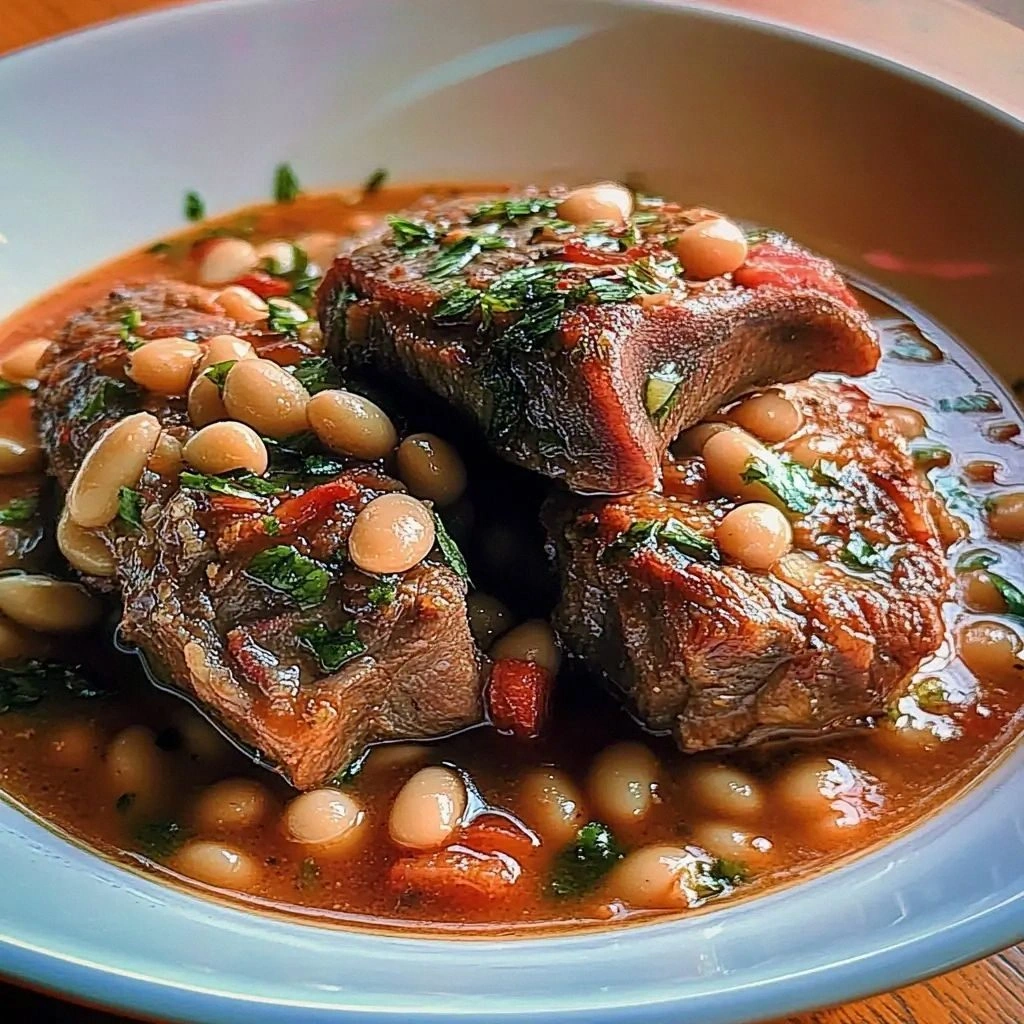
Let’s talk senses: the first bite is a burst of savory lamb that melts in your mouth, the beans soak up the flavors like a sponge, and the tomatoes add a subtle tang that keeps the dish from feeling too heavy. The texture is a delightful contrast—tender meat, creamy beans, and a hint of crunchy carrot. The color palette is warm and inviting, with golden-brown lamb, bright orange carrots, and deep green herbs. The aroma is so intoxicating that even the walls seem to inhale. Picture yourself pulling this out of the oven, the whole kitchen smelling incredible, and knowing you’ve just cooked something that will become a family staple.
I’ll be honest — I ate half the batch before anyone else got to try it. That’s a confession only a true food enthusiast can make. The moment you taste the first spoonful, you’ll realize why this dish is a game-changer. The combination of slow‑cooked lamb, hearty beans, and aromatic herbs creates a depth of flavor that’s impossible to replicate with shortcuts. Stay with me here — this is worth it. Let me walk you through every single step — by the end, you’ll wonder how you ever made it any other way.
What Makes This Version Stand Out
- Flavor: The lamb’s natural richness is complemented by the earthy beans and bright tomato, creating a layered taste profile that lingers on the palate.
- Texture: Tender lamb, silky beans, and crisp carrot pieces provide a mouthfeel that feels both comforting and sophisticated.
- Simplicity: With just a handful of pantry staples, this recipe requires minimal prep yet delivers maximum flavor.
- Uniqueness: The addition of dried rosemary and a splash of white wine gives it a French country twist that sets it apart from classic stews.
- Crowd Reaction: Guests rave that the dish is “comfort food with a gourmet twist,” making it a hit for dinner parties and family gatherings.
- Ingredient Quality: Using high‑quality lamb shoulder and fresh herbs elevates the dish, ensuring every bite is packed with flavor.
- Cooking Method: The low‑and‑slow braising technique locks in moisture and infuses the beans with savory depth.
- Make‑Ahead Potential: This stew tastes even better the next day, making it ideal for meal prep or busy weeknights.
Alright, let’s break down exactly what goes into this masterpiece…
Inside the Ingredient List
The Flavor Base
Onion, garlic, carrot, and celery form the classic mirepoix that sets the foundation for any stew. They release natural sugars and umami, creating a savory base that complements the lamb’s richness. Skipping any of these will leave the dish feeling flat; the absence of carrots, for instance, removes a subtle sweetness that balances the meat’s heaviness. For a quick fix, use pre‑chopped mirepoix from the produce section—just be sure to check the sodium content.
The Texture Crew
White beans, whether navy or cannellini, bring a creamy yet fibrous texture that absorbs flavors beautifully. Soaking them overnight reduces cooking time and improves digestibility. If you’re short on time, use canned beans but rinse them thoroughly to remove excess sodium. The beans’ subtle nuttiness contrasts with the lamb’s tenderness, creating a dish that feels both hearty and refined.
The Unexpected Star
White wine isn’t just for the fancy dinner parties—it deglazes the pan, lifting browned bits into the sauce and adding a subtle acidity that brightens the stew. A half cup of dry white wine is enough to impart depth without overpowering the lamb. If you’re avoiding alcohol, substitute with the same amount of dry chicken broth or a splash of apple cider vinegar for a tangy kick.
The Final Flourish
Herbs like rosemary and thyme bring aromatic complexity, while bay leaves provide a subtle earthiness that permeates the entire pot. Olive oil is the medium that carries these flavors, and its high smoke point ensures a clean, golden sear on the lamb. Salt and pepper finish the dish, but remember to season gradually—each component adds its own saltiness, and over‑salting can drown the delicate balance.
Everything's prepped? Good. Let's get into the real action…
The Method — Step by Step
- Prep the lamb: Pat the lamb shoulder cubes dry with paper towels. This step ensures a better sear and prevents steaming. Season generously with salt and pepper. Let the lamb sit for 10 minutes; this allows the seasoning to penetrate the meat.
- Brown the meat: Heat a large Dutch oven over medium‑high heat. Add 2 tablespoons of olive oil and swirl to coat. Once shimmering, add the lamb in a single layer, avoiding overcrowding. Sear each side for 3–4 minutes until a deep, caramelized crust forms. This creates a rich base that will carry the stew’s flavors.
- Deglaze: Remove the lamb and set aside. Pour in the white wine, scraping the bottom of the pan with a wooden spoon to lift browned bits. Let the wine reduce by half, concentrating its flavor. This step is crucial for depth and complexity.
- Sauté aromatics: In the same pot, add the diced onion, carrot, celery, and minced garlic. Cook for 5–7 minutes until the vegetables soften and the onions turn translucent. The scent that rises is the first hint of the stew’s soul.
- Add tomatoes and herbs: Stir in the diced tomatoes, dried rosemary, dried thyme, and bay leaves. Cook for another 3 minutes to allow the tomatoes to break down and release their juices.
- Return lamb and beans: Place the browned lamb back into the pot. Add the soaked white beans and pour in the beef broth. Bring the mixture to a gentle boil, then reduce the heat to low.
- Simmer: Cover the pot and let the stew cook for 45 minutes, stirring occasionally. The beans should be tender, and the lamb should fall apart easily. The liquid will thicken slightly, creating a velvety sauce.
- Finish with seasoning: Remove the bay leaves. Taste and adjust salt and pepper as needed. If the stew feels too acidic, a pinch of sugar can balance it out. Let it rest for 5 minutes before serving; this allows flavors to meld.
- Serve: Ladle the stew into bowls, garnish with fresh parsley or a drizzle of olive oil, and enjoy the comforting warmth that fills your home. Pair with crusty bread or a simple green salad for a complete meal.
That's it — you did it. But hold on, I've got a few more tricks that'll take this to another level…
Insider Tricks for Flawless Results
The Temperature Rule Nobody Follows
Many cooks think a quick sear is enough, but the secret lies in maintaining a steady medium‑high heat until the crust forms. A thermometer can help—aim for 400°F (200°C) on the surface before adding the lamb. This ensures a caramelized exterior that locks in juices and creates a deeper flavor profile. I once tried a low‑heat sear and the lamb turned out soggy; it was a hard lesson in the importance of temperature.
Why Your Nose Knows Best
The aroma of a simmering stew is a reliable indicator of doneness. When the beans release a nutty scent and the broth has a slightly thickened consistency, you’re ready to serve. If the liquid is still too watery, give it a few more minutes. Trust your nose—it's the most accurate taste tester in the kitchen.
The 5-Minute Rest That Changes Everything
After removing the pot from heat, let the stew sit covered for five minutes. This brief pause allows the flavors to redistribute and the sauce to thicken. It also gives the lamb a chance to relax, making it easier to pull apart with a fork. Skipping this step often results in a less cohesive dish.
Use Fresh Herbs for a Burst of Color
While dried herbs are convenient, fresh rosemary and thyme add a bright, vibrant aroma that dried versions can't match. Chop them finely and add them in the last 10 minutes of cooking. This preserves their essential oils, giving the stew a fresh, garden‑like finish.
Add a Touch of Sweetness
A pinch of sugar or a drizzle of honey balances the acidity of the tomatoes and wine. It also brings out the natural sweetness of the beans and lamb. I usually add a teaspoon of brown sugar during the simmering phase; the result is a subtle, caramelized undertone that elevates the entire dish.
Creative Twists and Variations
This recipe is a playground. Here are some of my favorite ways to switch things up:
Mediterranean Flair
Swap the white wine for a splash of dry sherry and add chopped olives and capers during the last 10 minutes of simmering. The briny notes pair wonderfully with the lamb, giving the dish a distinct Mediterranean vibe.
Spicy Kick
Add a diced jalapeño or a pinch of cayenne pepper when sautéing the aromatics. The heat cuts through the richness and adds a lively, fiery undertone that’s perfect for those who love a bit of spice.
Herb‑Infused Variation
Replace the dried rosemary and thyme with fresh sage, oregano, and a bay leaf. Cook the lamb longer—about 60 minutes—to allow the herbs to mellow and infuse the stew with a warm, earthy aroma.
Vegan Adaptation
Use a high‑quality plant‑based protein like textured vegetable protein or seitan in place of lamb. Keep the beans, tomatoes, and broth, and add a splash of soy sauce for umami. The result is a hearty, protein‑packed stew that’s entirely plant‑based.
Slow‑Cooked Comfort
Transfer the entire mixture to a slow cooker after browning the lamb. Set on low for 8 hours or on high for 4 hours. The slow cooking process breaks down the meat and melds flavors beautifully, creating a stew that’s practically served itself.
Breakfast Twist
Serve the stew over a bed of fluffy scrambled eggs or poached eggs for a hearty breakfast. The savory lamb and beans pair wonderfully with the silky eggs, creating a breakfast that feels like a brunch.
Storing and Bringing It Back to Life
Fridge Storage
Cool the stew to room temperature before transferring it to an airtight container. Store in the refrigerator for up to 4 days. The flavors deepen as the stew chills, making it even more delicious.
Freezer Friendly
Divide the stew into individual portions and freeze in freezer‑safe containers or zip‑lock bags. Label with the date and thaw overnight in the refrigerator before reheating. This method is perfect for meal prep and ensures you always have a comforting dish on hand.
Best Reheating Method
Reheat the stew on the stove over medium heat, adding a splash of water or broth to loosen the sauce. Bring to a gentle simmer, stirring occasionally. The tiny splash of liquid steams the beans back to their original, fluffy texture, preventing them from drying out.