Picture this: it’s a chilly Saturday morning, the kind where the world feels like it’s wrapped in a soft, oversized blanket, and you’re standing in the kitchen with a half‑cooked batch of ordinary glazed doughnuts staring back at you, looking sad and soggy. I was in that exact scenario, half‑heartedly scrolling through endless recipe blogs, when a dare from my roommate hit me like a splash of cold water—“Make something that actually tastes like autumn in a bite, and make it so good I’ll forget it’s a doughnut.” I laughed, grabbed a sweet potato that had been languishing in the pantry, and set out on a culinary adventure that would end with a plate of golden‑brown rings that could make a grown man weep with joy.
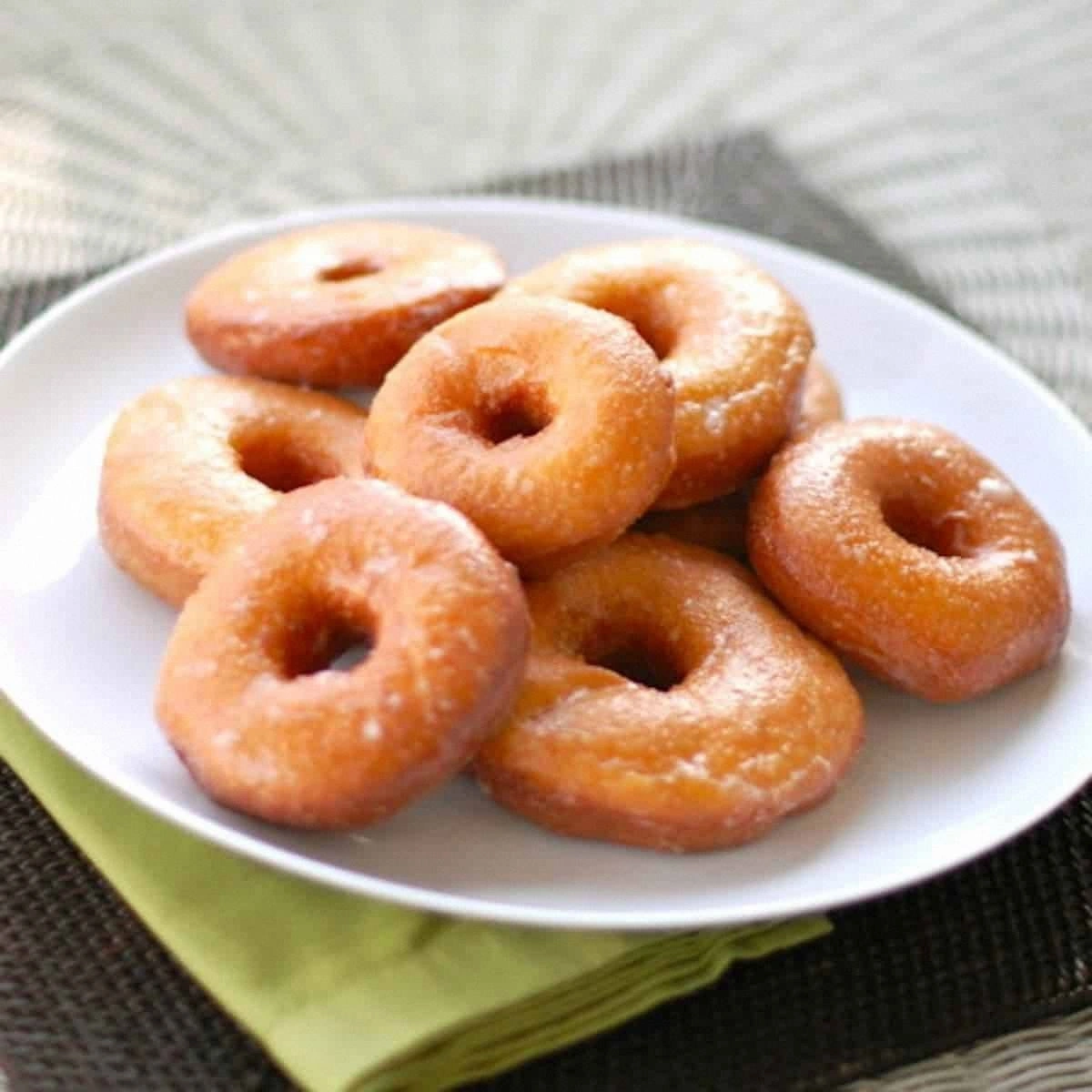
The kitchen quickly transformed into a sensory playground. The earthy aroma of roasted sweet potatoes mingled with the sweet perfume of cinnamon and nutmeg, while the sizzle of oil in the pan sounded like a tiny fireworks show. My fingertips felt the buttery dough slip through them, warm and slightly sticky, promising a texture that was both tender on the inside and crisp on the outside. When the first doughnut emerged, it glistened with a light caramel sheen, and the first bite released a burst of sweet, spiced goodness that made my taste buds do a happy dance. I dare you to taste this and not go back for seconds—because you won’t be able to stop.
Most sweet‑potato doughnut recipes get the balance wrong: they’re either too dense, too sweet, or they miss that magical crumb that makes you think, “Wow, I’ve just discovered a new level of comfort food.” This version, however, hits every note perfectly. The secret? A splash of maple‑infused glaze that coats the doughnut like velvet, and a quick chill of the dough before frying that guarantees a light, airy interior while preserving a satisfyingly crunchy crust. I’ll be honest—I ate half the batch before anyone else got a chance to try it, and that’s a testament to how addictive these are.
But the real game‑changer is the technique of incorporating the sweet potato puree into a yeast‑free batter, then letting it rest just long enough to let the flavors meld without over‑activating the gluten. This ensures the doughnut stays moist without becoming gummy. And there’s a little surprise ingredient that most people overlook—brown butter, which adds a nutty depth that makes the doughnut taste like a cozy autumn night by the fire. Okay, ready for the game‑changer? Let me walk you through every single step — by the end, you’ll wonder how you ever made it any other way.
What Makes This Version Stand Out
- Flavor Fusion: The sweet potato’s natural caramel notes mingle with warm spices and a maple glaze, creating a taste profile that feels like a hug from a pumpkin‑spice latte.
- Texture Triumph: A crisp, golden exterior that shatters like thin ice, giving way to a pillowy, moist crumb that melts in your mouth.
- Simplicity Meets Sophistication: No yeast, no fancy equipment—just pantry staples and a few minutes of your attention.
- Unique Ingredient Twist: Brown butter adds a toasty, nutty undertone that most recipes completely miss.
- Crowd‑Pleaser Factor: Even the most skeptical sweet‑tooth skeptics beg for a second serving, and the glaze makes them look like they’re at a bakery.
- Ingredient Quality: Using a fresh, firm sweet potato ensures vibrant color and natural sweetness without added sugars.
- Cooking Method Mastery: The chill‑and‑fry technique locks in moisture while achieving that perfect crunch.
- Make‑Ahead Magic: These doughnuts keep their texture for days, and a quick re‑heat restores the original glory.
Inside the Ingredient List
The Flavor Base
Sweet potatoes are the heart of this doughnut, providing natural sweetness, moisture, and that gorgeous amber hue. Use a medium‑sized, firm sweet potato (about 1½ pounds); bake it until it’s soft, then mash it thoroughly—any lumps will turn into uneven pockets in the final dough. If you skip the baking step and go straight to boiling, you lose that caramelized depth that makes the doughnut taste like a holiday treat. Pro tip: Roast at 400°F for 45 minutes, turning once, to develop a subtle smoky undertone.
The Texture Crew
All‑purpose flour forms the structure, but the key is to use it in moderation. Too much flour makes the doughnut dense, while too little leads to a batter that can’t hold its shape. The combination of granulated and brown sugar not only sweetens but also contributes to a crisp crust thanks to the molasses in brown sugar. Baking powder is the leavening hero here, giving the dough a gentle rise without the fuss of yeast. If you’re out of baking powder, substitute ½ tsp baking soda plus a splash of cream of tartar.
The Unexpected Star
Brown butter is the surprise element that elevates this recipe from “good” to “mind‑blowing.” By cooking the butter until it turns amber and releases a nutty aroma, you add a layer of flavor that pairs perfectly with the sweet potato’s earthiness. It’s a small step that makes a massive difference—think of it as the secret sauce in a classic burger. If you’re allergic to dairy, a high‑quality coconut oil can mimic the richness, though you’ll miss the distinctive toasted note.
The Final Flourish
The glaze is where the magic truly shines. Powdered sugar provides the sweetness, while maple syrup adds depth and a hint of autumnal warmth. A splash of milk thins the glaze just enough to coat the doughnut without dripping off like rain. For a twist, swap maple for orange‑blossom honey, and you’ll get a citrusy brightness that cuts through the richness. Remember, a glaze that’s too thick will harden, while one that’s too thin will slide off—aim for a glossy, pour‑able consistency.
Everything's prepped? Good. Let’s get into the real action…
The Method — Step by Step
Preheat your oven to 400°F (200°C) and line a baking sheet with parchment. While the oven heats, pierce the sweet potato a few times with a fork and place it directly on the rack. Roast for 45 minutes, or until a knife slides in easily. The skin will blister, releasing a sweet, caramel aroma that fills the kitchen—trust me, that scent is pure motivation.
While the sweet potato is roasting, melt ¼ cup butter in a small saucepan over medium heat. Continue cooking, swirling occasionally, until the butter turns a deep amber color and you can smell toasted nuts. This is the moment where the butter transforms from ordinary to extraordinary. Immediately remove from heat to prevent burning, then set aside to cool slightly.
When the sweet potato is done, let it cool just enough to handle, then peel and mash it in a large bowl until smooth—no lumps. Add 2 cups of flour, ½ cup granulated sugar, ¼ cup brown sugar, 2 tsp baking powder, 1 tsp cinnamon, ½ tsp nutmeg, and ½ tsp salt. Whisk these dry ingredients together; this ensures the leavening is evenly distributed, preventing any flat spots.
In a separate bowl, whisk together 2 large eggs, ¼ cup milk, 1 tsp vanilla extract, and the browned butter. Once combined, pour the wet mixture into the dry ingredients, then fold in the mashed sweet potato. The batter should be thick but pliable—think of a soft cookie dough that holds its shape but is still a little sticky. Do not over‑mix; over‑mixing develops gluten, which can make the doughnuts tough.
Cover the bowl with plastic wrap and refrigerate for exactly 15 minutes. This short chill relaxes the gluten and firms the batter, making it easier to shape. While you wait, set a deep‑fat fryer or a heavy-bottomed pot with enough oil to submerge the doughnuts (about 2 inches) and heat to 350°F (175°C). Use a thermometer; the right temperature is crucial—too low and the doughnuts absorb oil, too high and they burn on the outside before cooking through.
While the oil stabilizes, turn the chilled batter onto a lightly floured surface. Pat it into a ½‑inch thick rectangle, then use a 3‑inch doughnut cutter (or two round cutters) to cut out rings. Gather the scraps, re‑roll, and repeat until all batter is used. The dough should hold its shape but still be soft enough to lift without cracking.
Gently slide a few doughnuts into the hot oil, being careful not to overcrowd the pot. Fry for 2‑3 minutes on each side, or until they turn a deep golden‑brown and the edges start pulling away from the pan. Listen for that satisfying sizzle—it’s the sound of flavor forming. Using a slotted spoon, transfer the fried doughnuts onto a paper‑towel‑lined tray to drain excess oil.
For the glaze, whisk together 1 cup powdered sugar, 2 tbsp maple syrup, and 1‑2 tbsp milk until smooth and glossy. If the glaze is too thick, add a splash more milk; if too thin, add a pinch more powdered sugar. Dip each warm doughnut into the glaze, allowing excess to drip off, then set on a wire rack to let the glaze set. The glaze should coat the doughnut like a thin, shining veil—perfect for that bite‑size sparkle.
Serve the doughnuts warm, or let them cool completely and store them in an airtight container. The flavor only deepens after a few hours, and the glaze becomes slightly firmer, offering a delightful contrast of textures. And now the fun part: grab a cup of coffee, take a bite, and watch your face light up. That’s the reward for all the love you poured into this batch.
That's it — you did it. But hold on, I've got a few more tricks that'll take this to another level...
Insider Tricks for Flawless Results
The Temperature Rule Nobody Follows
Most home cooks set the oil to “medium‑high” and hope for the best. The truth is, a precise 350°F (175°C) is the sweet spot for these doughnuts. Use a deep‑fat thermometer and adjust the burner in small increments. If the oil is too hot, the glaze will melt before the interior cooks; too cool, and the dough will soak up oil, becoming greasy. I once tried to “guess” the temperature and ended up with doughnuts that tasted like fried cardboard. Trust the thermometer, and you’ll get that perfect crunch every time.
Why Your Nose Knows Best
Before you even peek at the timer, trust your sense of smell. When the doughnuts are ready, the kitchen will fill with a buttery, caramel‑sweet scent that’s impossible to ignore. If the aroma turns slightly acrid, the oil is overheating—pull the pot off the heat and let it cool a few degrees. This sensory checkpoint saves you from a batch of burnt doughnuts and adds an element of mindfulness to the process.
The 5‑Minute Rest That Changes Everything
After frying, let the doughnuts rest on a rack for exactly five minutes before glazing. This short pause allows the interior to finish steaming, ensuring the glaze adheres without sliding off. Skipping this step results in a glaze that slides like oil, creating a mess rather than a glossy coat. I’ve seen novices glaze immediately and end up with a sticky, uneven finish—patience is a tiny price for perfection.
Glaze Consistency Mastery
Glaze texture can be fickle. If you want a glossy, hard‑set finish, keep the glaze thinner; for a soft, melt‑in‑your‑mouth coating, make it a bit thicker. Add milk drop by drop, stirring constantly, until you reach a pour‑able but not runny consistency. A good rule of thumb: the glaze should coat the back of a spoon and flow off slowly.
Freezing Without Sacrificing Texture
Yes, you can freeze these doughnuts! Freeze them on a tray first, then transfer to a zip‑top bag. When you’re ready to enjoy them, pop them in a 350°F oven for 5‑7 minutes—no microwave, which would make them soggy. Adding a tiny splash of water to the oven tray creates steam that revives the interior’s fluffiness.
Creative Twists and Variations
This recipe is a playground. Here are some of my favorite ways to switch things up:
Maple‑Bacon Bliss
After glazing, crumble cooked bacon on top and drizzle a thin line of extra maple syrup. The salty crunch of bacon against the sweet glaze creates a flavor combo that’s practically a breakfast‑dessert hybrid.
Chocolate‑Covered Dream
Dip the glazed doughnut half‑way into melted dark chocolate, then sprinkle with crushed hazelnuts. The bitter chocolate balances the sweet potato’s earthiness, while the nuts add texture.
Spiced Orange Zest
Add 1 tsp orange zest to the batter and swap maple syrup for orange‑blossom honey in the glaze. The citrus lifts the spices, making the doughnut taste like a holiday celebration in your mouth.
Vegan Velvet
Replace the eggs with a flax‑egg (1 tbsp ground flaxseed + 3 tbsp water) and use coconut oil instead of butter. Use almond milk for the glaze. The result is a dairy‑free version that still boasts that coveted fluffy interior.
Pumpkin‑Spice Remix
Swap half of the sweet potato puree with pumpkin puree, and add a pinch of clove and ginger to the spice mix. This creates a hybrid flavor that’s perfect for autumn gatherings.
Gluten‑Free Goodness
Use a 1:1 gluten‑free flour blend in place of all‑purpose flour. Add a tablespoon of xanthan gum to help with structure. The doughnuts stay tender and light, proving you don’t need gluten for greatness.
Storing and Bringing It Back to Life
Fridge Storage
Place cooled doughnuts in an airtight container lined with parchment paper. They’ll stay fresh for up to 4 days. For extra softness, add a slice of fresh apple to the container—it releases moisture that keeps the doughnuts from drying out.
Freezer Friendly
Arrange doughnuts on a baking sheet, freeze until solid, then transfer to a zip‑top freezer bag. They’ll keep for up to 2 months. When you’re ready to eat, bake at 350°F for 5‑7 minutes; the quick heat revives the interior while the glaze re‑hardens beautifully.
Best Reheating Method
Reheat in a pre‑heated oven at 300°F for 4‑5 minutes. Add a tiny splash of water to the baking tray before reheating; the steam gently revives the doughnut’s moisture, giving you that just‑out‑of‑the‑kitchen feel. Microwaving is a no‑go—it makes the glaze gummy and the interior rubbery.