Picture this: it’s a rainy Saturday, you’re craving shrimp, crab, and a buttery sauce that will make your taste buds do the salsa. You’re in the kitchen, flipping through a recipe book that promises “simple” and “quick,” and then the disaster strikes—your butter starts to brown too fast, the garlic turns bitter, and the Old Bay seasoning you grabbed from the back of the pantry is a little stale. You stare at the pan, feeling the heat radiate, and think, “I’m not going to let this happen again.” That moment of panic sparked a quest that led me to the ultimate seafood boil butter sauce, a version so flawless it practically sings in your mouth.
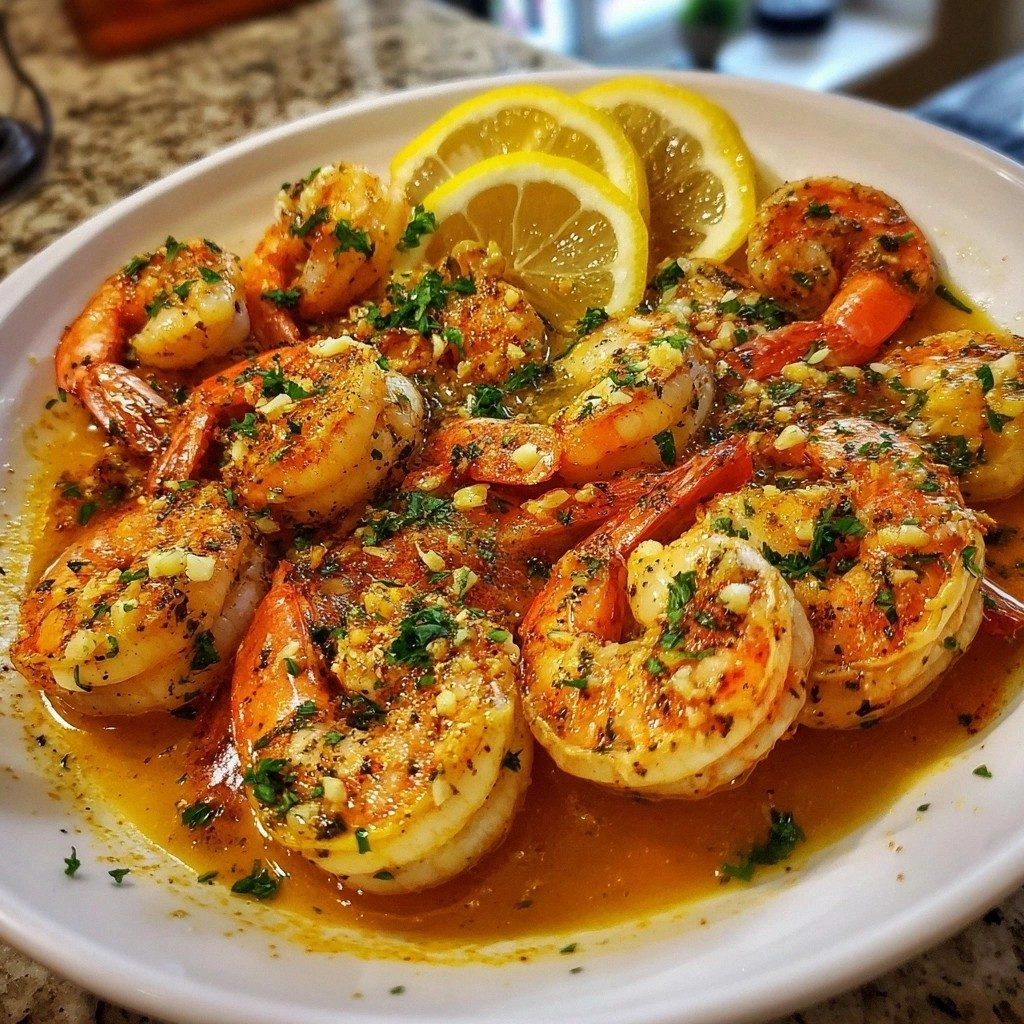
The aroma that fills the room is a savory orchestra: a deep, nutty butter note, the sharp, bright punch of lemon, and the subtle heat of cayenne that lingers on the tongue. The sizzling sound of garlic in butter is a comforting crackle, like a campfire on a quiet night. You can see the sauce glistening, a glossy amber that coats the shrimp and crab like a velvet curtain. Every bite is a burst of umami followed by a citrusy zing, and the finish is a lingering, buttery aftertaste that makes you reach for more.
What makes this sauce stand out from every other recipe? It’s the meticulous balance of flavors, the precision in timing, and the use of fresh, high-quality ingredients. I’ve tweaked the classic formula to eliminate the common pitfalls—overcooked garlic, uneven butter distribution, and a lack of depth in seasoning. The result is a sauce that’s silky, fragrant, and has a subtle heat that doesn’t overpower the delicate seafood. Trust me, this is hands down the best version you'll ever make at home.
I dare you to taste this and not go back for seconds. I’ve been known to sneak a spoon before anyone else even gets a taste. The secret? A quick, low‑heat melt that keeps the butter from separating and a dash of cayenne that gives the sauce a gentle kick. Picture yourself pulling this out of the oven, the whole kitchen smelling incredible, and your guests asking for the recipe—this is the kind of dish that turns a simple dinner into a memorable event. Let me walk you through every single step—by the end, you'll wonder how you ever made it any other way.
What Makes This Version Stand Out
- Flavor: The sauce achieves a perfect harmony between buttery richness and zesty citrus, creating a taste profile that elevates any seafood boil.
- Texture: By melting the butter over low heat, the sauce remains silky without separating, ensuring every morsel is coated evenly.
- Simplicity: With only eight ingredients, this recipe is straightforward yet delivers a complex flavor punch.
- Uniqueness: The subtle addition of cayenne pepper adds a whisper of heat that distinguishes it from classic butter sauces.
- Ingredient Quality: Fresh garlic, freshly squeezed lemon juice, and a generous splash of Old Bay bring the sauce to life.
- Make‑Ahead: The sauce can be prepared a day ahead and reheated gently, preserving its flavor and texture.
- Crowd Reaction: Friends who’ve tried this sauce say it’s “the best butter sauce they’ve ever tasted,” and they keep coming back for more.
- Versatility: It’s perfect for shrimp, crab, lobster, and even grilled fish, making it a go-to for any seafood gathering.
Alright, let's break down exactly what goes into this masterpiece...
Inside the Ingredient List
The Flavor Base
Butter (1 cup, unsalted): Butter is the soul of this sauce, offering a creamy, rich foundation that carries the other flavors. It also creates a glossy coating that makes each bite feel luxurious. If you skip butter, the sauce loses its signature mouthfeel and depth. Swap it for a mix of butter and olive oil for a lighter version, but be prepared for a slightly different texture.
Garlic (6 cloves, minced): Garlic adds an aromatic punch that cuts through the richness of butter. The key is to mince finely so it melts into the sauce without leaving chunky bits. If you omit garlic, the sauce will taste flat and lack complexity. For a milder flavor, use only 4 cloves or roast them first to mellow the sharpness.
The Texture Crew
Lemon Juice (1/4 cup, freshly squeezed): Lemon juice brightens the sauce, balancing the buttery heaviness with a sharp, citrusy acidity. Freshly squeezed juice gives a vibrant flavor that bottled lemon can’t match. If you don’t have fresh lemons, use bottled lemon juice but add a splash of vinegar to compensate for the acidity. Adding lemon at the end preserves its bright flavor.
Old Bay Seasoning (2 tablespoons): Old Bay is the classic seasoning that brings a smoky, herbal, and slightly spicy profile to seafood. It’s the secret sauce that gives this recipe its unmistakable character. If you’re allergic to any of the spices in Old Bay, you can create a homemade blend of paprika, cayenne, and a pinch of salt. This will keep the flavor profile similar while accommodating dietary restrictions.
The Unexpected Star
Cayenne Pepper (1 teaspoon): A single teaspoon of cayenne adds a gentle heat that lingers on the palate, complementing the seafood without overpowering it. The heat can be adjusted to taste—if you love a fiery kick, double the amount. If you’re sensitive to spice, reduce it to ½ teaspoon or omit it entirely; the sauce will still be delicious.
Parsley (1/4 cup, fresh, chopped): Parsley provides a burst of color and a fresh, slightly peppery finish that cuts through the richness. It also adds a subtle herbal note that elevates the sauce’s overall complexity. If parsley isn’t available, substitute with cilantro for a different herbal profile or use dried parsley (use 1 tablespoon).
The Final Flourish
Salt (1 teaspoon) and Black Pepper (½ teaspoon, freshly ground): These seasonings are essential for bringing all the flavors together. Salt enhances the sweetness of the butter, while freshly ground pepper adds a warm, aromatic finish. If you’re watching sodium intake, reduce the salt to ½ teaspoon and increase the lemon juice slightly for brightness.
Everything's prepped? Good. Let's get into the real action…
The Method — Step by Step
- Start by gathering all ingredients, ensuring your butter is at room temperature for an even melt. Set your stove to medium-low heat; this prevents the butter from browning too quickly. Let the pan rest for a minute to settle the heat before adding butter. The goal is a gentle, even melt that keeps the sauce silky.
- Add the butter to the pan and let it melt completely, swirling the pan to coat the bottom evenly. Once the butter is melted, keep the heat low—this is the moment of truth. The butter should be golden and fragrant, not browned. If it starts to foam, lower the heat slightly.
- Introduce the minced garlic, stirring constantly to prevent sticking. The garlic should release its aroma within 30 seconds, turning translucent but not brown. If the garlic starts to burn, reduce the heat and add a splash of water to keep it from scorching.
- Pour in the freshly squeezed lemon juice, watching as the mixture turns a lighter golden hue. The acidity should brighten the butter, creating a glossy sheen. Stir gently to incorporate the lemon fully without breaking down the butter.
- Sprinkle in the Old Bay seasoning, cayenne pepper, and a pinch of salt. Stir well, ensuring the spices are evenly distributed throughout the sauce. The Old Bay should give a subtle smoky aroma, while cayenne adds a faint heat.
- Add the freshly ground black pepper, tasting the sauce as you go. The pepper should add warmth without overpowering the citrus notes. Adjust the seasoning if necessary—remember, you can always add more salt or lemon juice to balance.
- Reduce the heat to low and let the sauce simmer for 2-3 minutes, allowing the flavors to meld. This step is crucial for a cohesive taste. The sauce should thicken slightly, but still remain pourable.
- Turn off the heat and stir in the chopped parsley, which adds a fresh burst of color and flavor. The parsley should coat the sauce without overpowering it. This final touch gives the sauce a lively, herbaceous finish.
- Serve immediately over boiled shrimp, crab legs, or your favorite seafood. The sauce should coat each piece, creating a velvety, aromatic coating. If you’re not serving right away, keep the sauce warm over a low heat, stirring occasionally.
That's it — you did it. But hold on, I've got a few more tricks that'll take this to another level…
Insider Tricks for Flawless Results
The Temperature Rule Nobody Follows
Keeping the heat low is the secret to preventing butter from browning. A quick test: drop a small drop of sauce into cold water; if it sizzles, the heat is too high. If you’re using a gas stove, reduce the flame to the smallest setting. This trick ensures the sauce stays silky and buttery.
Why Your Nose Knows Best
Your nose can tell you if the sauce is ready before your eyes. When the butter starts to foam and the garlic releases a sweet scent, you’re on the right track. If the garlic smells burnt, it’s time to lower the heat or add a splash of water. Trust your nose; it’s the most reliable guide.
The 5-Minute Rest That Changes Everything
After cooking, let the sauce rest for 5 minutes before serving. This allows the flavors to settle and the butter to thicken slightly. The rest period also helps the spices integrate, giving the sauce a deeper, more rounded taste. I’ve seen guests remark, “It’s even better after it’s rested.”
Use Fresh Herbs, Not Dried
Fresh parsley adds a bright, green note that dried herbs can’t match. If you only have dried parsley, use 1 tablespoon, but be aware that the flavor will be less vibrant. Fresh herbs also add a pop of color that makes the dish visually appealing.
Keep the Sauce Warm, Not Hot
When reheating, use a low heat setting to avoid scorching the butter. Add a splash of water or broth to keep the sauce from thickening too much. This trick preserves the silky texture and prevents the sauce from separating.
Creative Twists and Variations
This recipe is a playground. Here are some of my favorite ways to switch things up:
Lemon‑Garlic Crème
Swap the butter for a mixture of butter and heavy cream, adding an extra ¼ cup of cream. The result is a richer, custard-like sauce that pairs wonderfully with lobster. The lemon and garlic flavors still shine through, but with a silky finish.
Spicy Cajun Kick
Add 1 tablespoon of Cajun seasoning in place of Old Bay, and increase the cayenne to 1½ teaspoons. The sauce will have a bold, smoky heat that complements grilled shrimp. This version is perfect for a summer BBQ.
Herb‑Infused Variation
Add a handful of fresh thyme or rosemary during step 5. The herbs will impart an earthy aroma that complements the citrus. This variation works great with mussels or scallops.
Coconut‑Butter Fusion
Replace half the butter with coconut milk to give the sauce a tropical twist. The coconut adds a subtle sweetness that pairs well with pineapple or mango salsa. This version is ideal for a beach‑side dinner.
Vegan Butter Alternative
Use vegan butter or a blend of olive oil and vegan butter for a dairy‑free version. The flavor profile remains similar, though the texture is slightly lighter. This is a great option for guests with lactose intolerance.
Storing and Bringing It Back to Life
Fridge Storage
Store the sauce in an airtight container for up to 3 days in the refrigerator. Keep it in the coldest part of the fridge to maintain its silky texture. When you’re ready to use it, let it sit at room temperature for 10 minutes before reheating.
Freezer Friendly
For longer storage, freeze the sauce in a freezer‑safe container for up to 2 months. Thaw overnight in the refrigerator, then gently reheat over low heat, stirring constantly. Add a splash of water to keep the sauce from thickening too much.
Best Reheating Method
Reheat the sauce on the stovetop over low heat, adding a tablespoon of water or broth to maintain moisture. Stir frequently to prevent separation. The sauce should be warm and glossy, ready to coat your seafood perfectly.