Picture this: I’m in my kitchen, a rogue batch of over‑cooked rice sitting in a bowl, the air thick with the scent of burnt soy. I glance at my phone, scrolling through endless “quick dinner” posts, and I’m suddenly craving something that feels like a hug from the inside out. That moment sparked a mad experiment: a teriyaki salmon bowl that would outshine every other version I’d ever tasted. The result? A bowl that sings with umami, crunch, and a glossy glaze that lingers on the palate like a velvet curtain. If you think you’ve tried teriyaki before, I dare you to taste this and not go back for seconds.
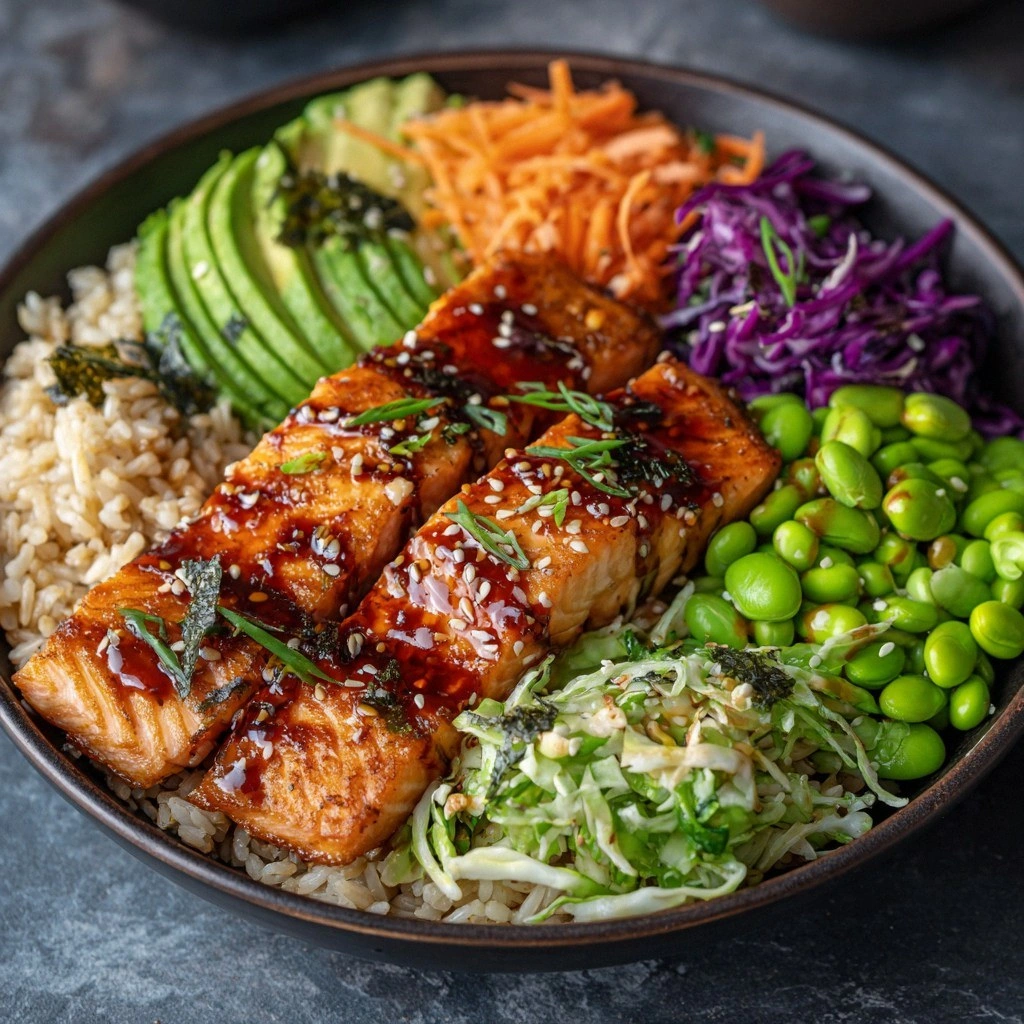
The first bite hits you with that unmistakable snap of a lightly seared salmon, the flesh still tender, the edges caramelized to a caramel‑brown perfection. The sauce coats the fish like a silk ribbon, the sweetness of honey mingling with the deep umami of soy and mirin, while a whisper of citrus lifts the whole thing into the clouds. Meanwhile, the jasmine rice acts as a neutral canvas, its fragrant steam rising like a gentle mist, absorbing every drop of sauce without becoming soggy. Fresh edamame pops with a satisfying crunch, and avocado drifts into the mix, its buttery texture smoothing the bite just enough to keep you coming back for more. The final flourish of sesame seeds and a splash of lime juice gives a bright, almost celebratory finish that makes the bowl feel like a party in a bowl.
What sets this version apart isn’t just the ingredients—it’s the way each element is treated. I’m talking about a sauce that doesn’t drown the fish, a rice that stays fluffy, and an assembly that feels both effortless and luxurious. It’s the kind of dish that can transform a weekday dinner into a moment of pure comfort and celebration. The secret is in the balance of flavors and textures, and in the small, almost invisible touches that elevate everything from the first sizzling sound to the last lingering note of citrus. If you’re tired of bland, over‑cooked meals, this bowl is the antidote you’ve been searching for.
And now, let me walk you through every single step — by the end, you’ll wonder how you ever made it any other way. From the first sear that locks in flavor, to the final drizzle that turns the bowl into a work of art, I’ll show you the techniques that make this dish stand out. The sauce is a simple blend that coats like velvet, the rice stays fluffy, and the finishing touches create a crunch that shatters like thin ice. Ready to dive in? Let’s get cooking.
What Makes This Version Stand Out
- Taste: The sauce balances sweet, salty, and umami in a way that enhances every bite without overpowering the delicate salmon. The subtle hint of ginger and garlic gives it a fresh kick that keeps the palate engaged.
- Texture: The salmon is seared to a caramelized crust while remaining moist inside, the rice remains fluffy and not sticky, and the edamame provides a satisfying bite that contrasts the smooth avocado.
- Visual Appeal: The glossy glaze on the salmon reflects light, the bright green of cucumber and edamame pop against the golden rice, and toasted sesame seeds add a subtle crunch.
- Simplicity: The recipe requires only a handful of pantry staples and takes less than an hour from start to finish, making it perfect for busy weeknights.
- Ingredient Quality: Using fresh, high‑quality salmon and fresh vegetables ensures the best flavor profile; the sauce’s natural sweetness comes from honey and mirin rather than artificial sweeteners.
- Make‑Ahead Potential: The sauce can be pre‑made and refrigerated, and the rice can be cooked in advance, making this dish a great option for meal prep.
- Audience: It’s a crowd‑pleaser—whether you’re feeding a family, preparing for guests, or simply treating yourself, this bowl delivers.
- Versatility: Swap out the rice for quinoa or cauliflower rice for a low‑carb version, or add a protein like tofu for a vegetarian option.
Inside the Ingredient List
The Flavor Base
The sauce is the heart of this bowl, a sweet‑savory blend that coats the salmon and rice like a silky cloak. It’s composed of teriyaki sauce, soy sauce, mirin, honey, rice vinegar, grated ginger, and minced garlic. Each component plays a distinct role: teriyaki provides depth, soy brings saltiness, mirin adds sweetness and a subtle alcohol finish, honey offers a natural glaze, rice vinegar brightens, ginger gives a warm bite, and garlic delivers aromatic richness. Skipping any of these would thin the flavor, but you can’t replace the unique balance they create.
If you’re looking for a healthier twist, swap honey for a splash of maple syrup or a few drops of stevia to reduce sugar. For a smoky edge, add a pinch of smoked paprika. When you’re in a hurry, pre‑mix the sauce in a small bowl and keep it at room temperature; it’ll keep its integrity for up to 24 hours.
The Texture Crew
Fluffy jasmine rice is the canvas that holds everything together. The grains should be separate and lightly toasted before cooking to give them a nutty aroma and a firmer bite. Edamame adds a pop of green and a protein boost; keep the pods intact for a satisfying crunch. Avocado brings creaminess that balances the dish’s acidity and sweetness, while cucumber offers a crisp, hydrating contrast. The shredded cabbage provides a subtle crunch and a mild, slightly sweet flavor that rounds out the bowl.
For those who prefer a low‑carb option, substitute cauliflower rice or shirataki noodles. If you’re vegetarian, tofu or tempeh can replace the salmon, but be sure to press the tofu to remove excess moisture before searing.
The Unexpected Star
Sesame seeds are the unsung hero that adds a nutty flavor and a delightful crunch. Toast them lightly in a dry pan until golden and fragrant; this step releases their oils and intensifies their taste. Sprinkle them over the finished bowl for a final pop of texture. If you’re allergic to sesame, pine nuts or chopped almonds can provide a similar crunch.
The Final Flourish
Scallions add a bright, oniony note that cuts through the sweetness of the sauce. Slice them finely and scatter them on top for a burst of freshness. Lime wedges provide a citrus zing that lifts the entire dish; squeeze a few drops over the bowl before serving for a bright finish. A pinch of sea salt and freshly ground black pepper finish the seasoning, ensuring every component is highlighted.
Everything’s prepped? Good. Let’s get into the real action.
The Method — Step by Step
- Preheat a large non‑stick skillet over medium‑high heat. Add a splash of vegetable oil and swirl to coat. When the oil shimmers, it’s ready for the salmon. This is the moment of truth—don’t let the pan get too hot, or you’ll end up with a burnt crust.
- Pat the salmon fillets dry with paper towels; this step is crucial for a good sear. Season both sides with salt and pepper. Place the fillets skin‑side down in the skillet, pressing gently to keep them flat. The sizzling sound you hear is the promise of flavor.
- Cook the salmon for 4–5 minutes on the skin side until it releases easily and the edges start to turn golden brown. Flip carefully and cook for an additional 3–4 minutes, depending on thickness. The goal is a juicy center with a caramelized crust.
- While the salmon finishes, heat a small saucepan over medium heat. Add the teriyaki sauce, soy sauce, mirin, honey, rice vinegar, ginger, and garlic. Bring to a gentle simmer, stirring until the honey dissolves. Let it reduce for 2–3 minutes until slightly thickened.
- Brush the reduced sauce over the salmon, then let it rest for 1 minute so the glaze sets. The sauce should smell toasty and slightly caramelized, a sign that it’s ready to elevate the fish.
- In a separate pot, bring 2 cups of water to a boil. Add the jasmine rice, reduce heat to low, cover, and simmer for 15 minutes. Once the water is absorbed, fluff with a fork and let it sit covered for 5 minutes. The rice should be fluffy, not sticky.
- Meanwhile, steam the edamame in a steamer basket for 4 minutes until bright green. Drain and season lightly with sea salt. The edamame should be tender but still firm.
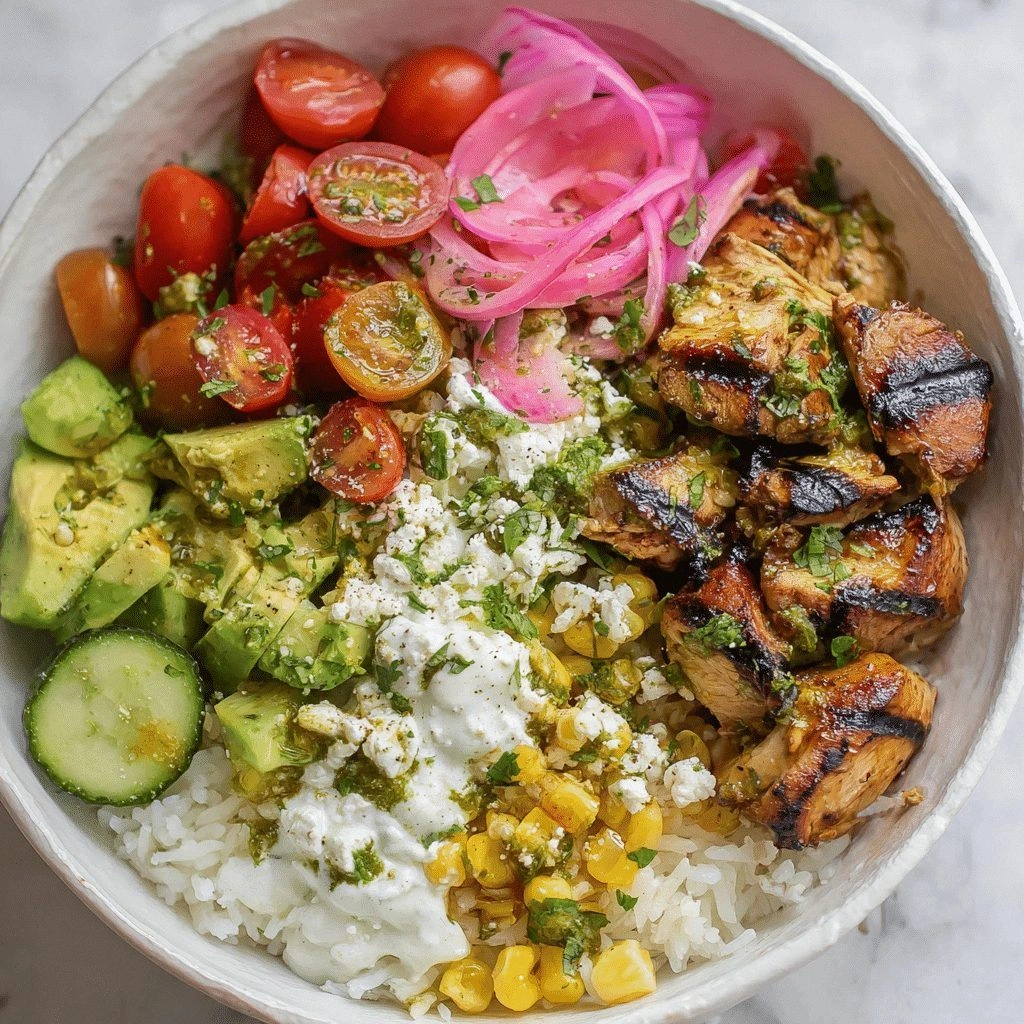
- Assemble the bowl: start with a bed of rice, then arrange the seared salmon on top. Scatter edamame, cucumber, avocado, shredded cabbage, and scallions. Drizzle the remaining sauce over the entire bowl.
- Finish with toasted sesame seeds, a squeeze of lime, and a pinch of sea salt. The final touch is the bright citrus that lifts the flavors and adds a refreshing finish. Plate it beautifully and enjoy the aroma that will fill your kitchen.
That’s it— you did it. But hold on, I’ve got a few more tricks that will take this to another level. These insider tips will help you avoid common pitfalls and elevate the dish to restaurant‑quality.
Insider Tricks for Flawless Results
The Temperature Rule Nobody Follows
Many cooks think a higher temperature is always better, but the secret to a perfect sear is medium‑high heat that allows the salmon to develop a caramelized crust without burning. Use a thermometer to ensure the pan stays around 400°F. If you’re using a cast iron skillet, pre‑heat for at least 5 minutes before adding oil.
Why Your Nose Knows Best
The aroma is a reliable indicator of doneness. When the salmon is nearly finished, you’ll smell a sweet, caramelized scent. If the smell turns overly smoky or burnt, the pan is too hot. Trust your nose to guide you to that perfect finish.
The 5‑Minute Rest That Changes Everything
Letting the salmon rest for 5 minutes after cooking allows the juices to redistribute, ensuring a moist bite. This small pause also lets the glaze set, giving it a glossy sheen that’s irresistible.
Keep It Fresh
If you’re prepping ahead, store the cooked rice and sauce separately in airtight containers. Assemble the bowl just before serving to keep the textures crisp and the flavors vibrant.
Mind the Sauce Consistency
If the sauce is too thin, let it simmer a bit longer; if it’s too thick, add a splash of water or broth. The right consistency should coat the salmon like a fine drizzle, not a syrup.
Creative Twists and Variations
This recipe is a playground. Here are some of my favorite ways to switch things up:
Spicy Sriracha Kick
Add a tablespoon of sriracha to the sauce for a fiery edge that pairs beautifully with the sweet glaze. It’s a crowd‑pleaser for anyone who loves heat.
Southwest Fusion
Swap the jasmine rice for corn‑flavored quinoa, sprinkle cotija cheese, and top with a dollop of sour cream. The result is a bowl that feels like a taco night on a plate.
Vegan Version
Replace the salmon with marinated tofu cubes, sear until crispy, and use coconut milk in the sauce for a creamy twist. The texture is still satisfying, and the flavor profile remains intact.
Low‑Carb Delight
Use cauliflower rice instead of jasmine rice and add a handful of spinach for extra greens. The dish stays low‑carb while still delivering on flavor.
Breakfast Bowl
Serve the salmon over a bed of scrambled eggs and sautéed kale, drizzle with teriyaki glaze, and top with a fried egg. This breakfast bowl is protein‑packed and starts your day on a high note.
Asian‑Inspired Salad
Use a base of mixed greens, toss with the teriyaki sauce, and top with the salmon, avocado, and edamame. The result is a light, refreshing salad that still feels like a hearty meal.
Storing and Bringing It Back to Life
Fridge Storage
Store the assembled bowls in airtight containers for up to 3 days in the refrigerator. Keep the sauce separate until ready to serve to prevent the rice from becoming soggy.
Freezer Friendly
You can freeze the rice and sauce separately for up to 2 months. When ready to use, thaw in the refrigerator overnight and reheat gently on the stove or in the microwave.
Best Reheating Method
Reheat the rice and salmon together in a skillet over low heat, adding a splash of water or broth to keep moisture. A quick microwave blast can also work, but be sure to stir to distribute heat evenly. Add a tiny splash of water before reheating — it steams back to perfection.