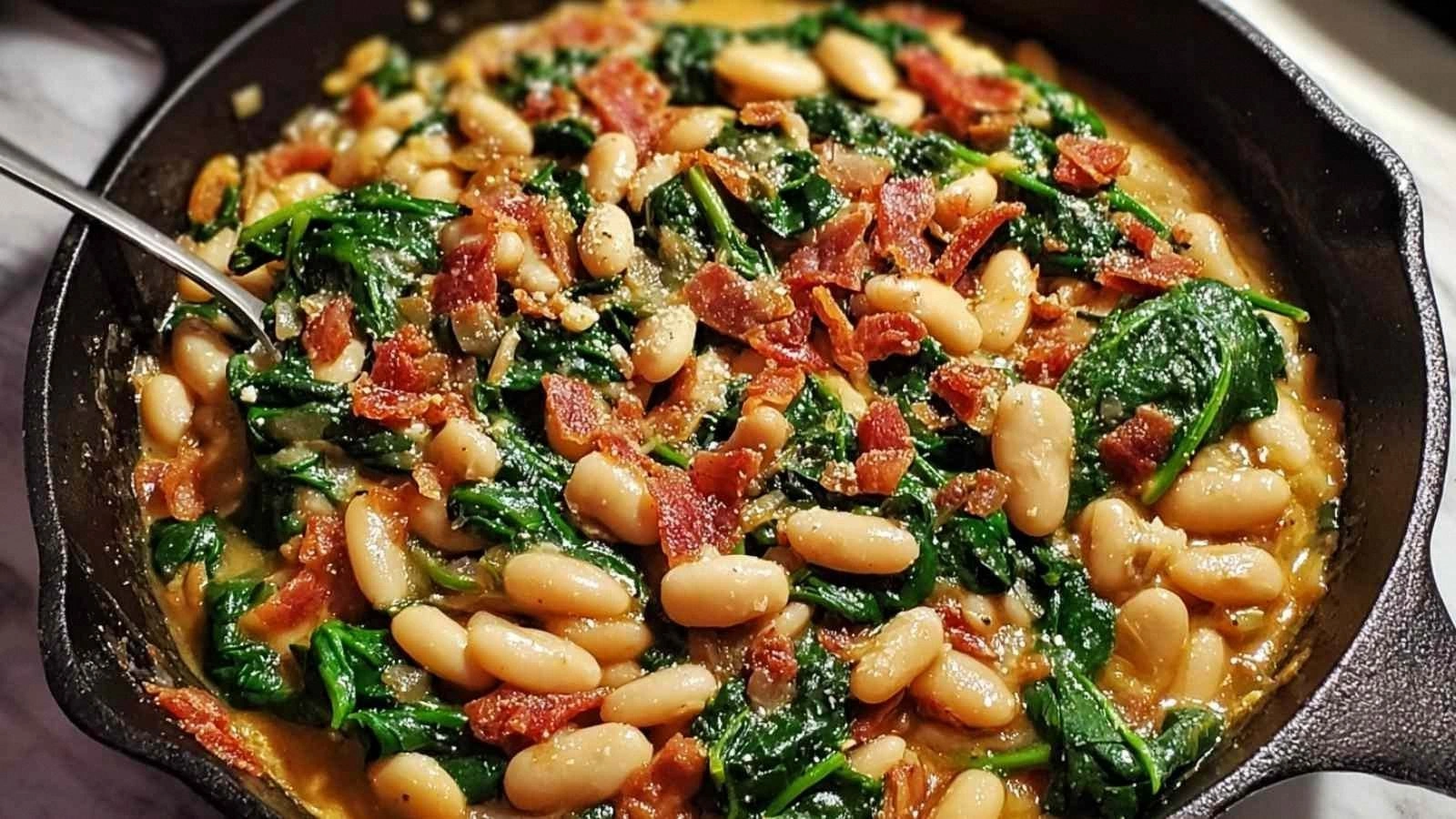
The first time I tried to whip up a quick weeknight dinner, I ended up with a skillet that looked more like a disaster zone than a dish. The onions were burning, the beans had turned into a soggy mess, and the spinach was wilted beyond recognition. I stared at the charred edges, feeling a mix of frustration and a sudden spark of curiosity—what if I could turn that mess into something that actually tasted amazing? That moment was the birth of the Marry Me White Bean Spinach Sk.
Picture this: a pan sizzling as the olive oil glimmers, a sweet, caramelized aroma of onions filling the kitchen, and the faint scent of garlic dancing in the air. My taste buds are already tingling, anticipating the burst of umami from the cannellini beans and the bright, tangy kiss of sun‑dried tomatoes. The texture is a delightful contrast—crisp edges of sautéed onions, silky spinach leaves, and the creamy, velvety sauce that coats everything like a comforting blanket. The sound of the skillet is a satisfying hiss, a promise that something delicious is about to happen.
What makes this version stand out? I dare you to taste this and not go back for seconds. It’s hands down the best version you’ll ever make at home because I’ve blended the right balance of flavors, textures, and convenience. I’ve taken the classic white bean and spinach skillet and elevated it with a creamy Parmesan finish, a dash of oregano, and a subtle kick from red pepper flakes. The result is a dish that feels luxurious yet feels like a cozy hug in a bowl. Most recipes get this completely wrong—here’s what actually works. Picture yourself pulling this out of the skillet, the whole kitchen smelling incredible, and everyone asking for the recipe.
Okay, ready for the game‑changer? Let me walk you through every single step—by the end, you’ll wonder how you ever made it any other way. I’ll keep it playful, witty, and slightly opinionated, because cooking is an adventure best shared with a friend. If you’ve ever struggled with this, you’re not alone—and I’ve got the fix. Stay with me here—this is worth it.
What Makes This Version Stand Out
- Taste: The creamy Parmesan sauce coats the beans and spinach, creating a rich, savory flavor that feels indulgent without being heavy. The subtle heat from the red pepper flakes adds depth, while oregano grounds the dish in earthy Mediterranean vibes.
- Texture: A satisfying mix of crunchy sautéed onions, tender spinach, and silky beans. The sauce thickens just enough to cling to every bite, preventing the skillet from becoming mushy.
- Simplicity: One pan, one pot, one pot. No need for separate sauce bowls or fiddling with multiple utensils—everything cooks together, saving time and dishes.
- Uniqueness: The addition of sun‑dried tomatoes gives a burst of sweetness and acidity that balances the creaminess, setting this skillet apart from standard bean and spinach recipes.
- Crowd Reaction: Friends rave about the comforting, almost decadent feel of the dish, yet it’s light enough to serve alongside a crisp salad or crusty bread.
- Ingredient Quality: Fresh spinach and high‑quality Parmesan elevate the flavor profile, while canned cannellini beans keep the dish budget‑friendly.
- Cooking Method: Sautéing first creates a caramelized base that enhances flavor, then adding the beans and liquids allows them to absorb the aromatics.
- Make‑Ahead Potential: This skillet is perfect for meal prep—reheat gently in a skillet or microwave, and the sauce will remain silky.
Alright, let's break down exactly what goes into this masterpiece…
Inside the Ingredient List
The Flavor Base
Olive oil is the first hero in this skillet, providing a smooth canvas for sautéing aromatics. When heated just right, it releases a nutty aroma that signals the dish is about to bloom. If you skip the oil, the onions will stick and burn, ruining the flavor foundation. For a healthier twist, swap olive oil with avocado oil, which has a higher smoke point and a milder taste.
The Texture Crew
The onions and garlic form the crunchy, sweet backbone of the dish. They caramelize over medium heat, turning golden brown and developing a deep, sweet flavor. The beans add a hearty, creamy texture that balances the bright spinach. If you prefer a smoother sauce, pulse the beans with a splash of broth before adding them to the skillet. Fresh spinach brings a delicate, slightly bitter note that pairs beautifully with the creamy sauce.
The Unexpected Star
Sun‑dried tomatoes are the secret sauce that elevates this dish. Their concentrated sweetness cuts through the richness of the cream and cheese, adding a pop of acidity that brightens the entire skillet. If you can’t find sun‑dried tomatoes, substitute them with chopped roasted red peppers or even a splash of tomato paste for a subtle tomato flavor.
The Final Flourish
Heavy cream or coconut cream thickens the sauce, giving it that luxurious mouthfeel. The Parmesan cheese adds a nutty, umami kick that ties all the flavors together. A pinch of salt and black pepper is essential for seasoning, but remember that the Parmesan already brings saltiness, so taste before adding extra. If you’re vegan, use a plant‑based cream and nutritional yeast for a cheesy flavor.
Everything's prepped? Good. Let's get into the real action…
The Method — Step by Step
- Step 1: Heat the skillet. Place the 12‑inch skillet over medium heat and pour in the tablespoon of olive oil. Let it shimmer until it starts to lightly smoke—this indicates the oil is hot enough to sauté the aromatics without burning. The sizzle you hear is the first cue that the base flavor is building. Keep an eye on the oil; if it starts to darken too quickly, reduce the heat to avoid a burnt taste.
- Step 2: Sauté the onions. Add the finely diced yellow onion to the pan. Stir continuously until the onions soften and turn translucent, about 3‑4 minutes. The aroma should be sweet and slightly caramelizing. If you like a deeper flavor, let them cook a minute longer until they develop a golden hue.
- Step 3: Add the garlic. Toss in the minced garlic and cook for 30 seconds until fragrant, but watch closely—garlic burns fast and turns bitter. The garlic should release its aroma without turning dark. Stir it into the onions to keep the mixture evenly distributed.
- Step 4: Season the base. Sprinkle in the oregano and red pepper flakes, stirring to coat the onions and garlic. The oregano adds herbal depth, while the flakes give a subtle heat that wakes up the palate. Adjust the amount of flakes if you prefer a milder kick.
- Step 5: Introduce the beans. Pour in the cannellini beans, breaking them slightly with a spoon to allow them to mingle with the aromatics. Cook for 2 minutes to let the beans absorb the flavors. The beans should warm through and start to thicken the sauce slightly.
- Step 6: Add sun‑dried tomatoes. Stir in the chopped sun‑dried tomatoes, which will release their concentrated sweetness into the pan. The tomatoes should start to soften and blend with the beans, creating a richer base. The bright color will contrast beautifully with the green spinach.
- Step 7: Incorporate the spinach. Pour the spinach into the skillet in a single layer, letting it wilt before adding more. The spinach will reduce dramatically, leaving a vibrant green layer of cooked leaves. This step is quick—usually 1‑2 minutes—so keep the heat steady to avoid overcooking.
- Step 8: Build the creamy sauce. Pour in the vegetable broth, then stir in the heavy cream (or coconut cream). The liquid should coat the beans and spinach, creating a silky sauce. Let the mixture simmer for 3‑4 minutes until it thickens slightly. The sauce should be glossy and coat the back of a spoon.
- Step 9: Finish with Parmesan. Sprinkle in the grated Parmesan cheese, stirring until it melts into the sauce, creating a nutty, savory finish. The cheese should thicken the sauce further and add a silky texture. Taste and adjust salt and pepper as needed—remember the Parmesan already brings saltiness.
- Step 10: Serve hot. Transfer the skillet to the table or plate it directly from the pan. Garnish with extra Parmesan or a sprinkle of fresh herbs if desired. The dish should feel comforting and hearty, with a creamy sauce that clings to each bite.
That's it — you did it. But hold on, I've got a few more tricks that'll take this to another level…
Insider Tricks for Flawless Results
The Temperature Rule Nobody Follows
Cooking at the right temperature is key to preventing the sauce from curdling. Keep the skillet on medium heat throughout the process; too high, and the cream will separate; too low, and the flavors won’t meld. I’ve seen people drop their sauce into the pan on high heat and end up with a lumpy mess. Stick to medium, and you’ll get that silky, cohesive sauce every time.
Why Your Nose Knows Best
When the onions start to caramelize, their scent is a signal that the base flavor is ready. Your nose can tell you when the onions are golden and the garlic is fragrant. Trust that instinct; it’s a quick way to avoid over‑cooking or burning the aromatics.
The 5‑Minute Rest That Changes Everything
Once you’ve plated the skillet, let it rest for a minute before serving. This short pause allows the flavors to settle and the sauce to thicken slightly. It also prevents the beans from dripping onto the table, keeping the dish tidy and appetizing.
The Cream Swap Secret
If you’re watching calories, swap heavy cream for coconut cream or a splash of Greek yogurt. The coconut cream keeps the richness, while Greek yogurt adds protein and tang. Just be sure to add the yogurt at the end to avoid curdling.
The Parmesan Trick
Grating the Parmesan fresh right before adding it to the skillet ensures it melts smoothly. Pre‑grated cheese can contain added fillers that make it clump. Freshly grated cheese gives a cleaner, more authentic flavor.
Creative Twists and Variations
This recipe is a playground. Here are some of my favorite ways to switch things up:
Mediterranean Medley
Add chopped kalamata olives and a squeeze of lemon juice to give the skillet a briny, citrusy punch. This variation pairs well with a side of couscous or a simple Greek salad.
Spicy Cajun Kick
Swap the oregano for a pinch of Cajun seasoning and increase the red pepper flakes. The result is a smoky, spicy skillet that feels like a comforting bowl of gumbo.
Vegan Delight
Replace the heavy cream with coconut milk and use nutritional yeast instead of Parmesan. This keeps the dish dairy‑free while still delivering that cheesy, umami flavor.
Rustic Rustic
Add a handful of sliced mushrooms to the skillet in Step 4. Their earthy flavor complements the beans and adds a meaty texture, making the dish feel heartier.
Herb‑Infused Boost
Stir in a handful of fresh basil or parsley right before serving. The herbs add a burst of freshness that brightens the overall profile.
Storing and Bringing It Back to Life
Fridge Storage
Store leftovers in an airtight container in the refrigerator for up to 3 days. The creamy sauce may thicken, but a splash of broth or water when reheating will restore its silky texture.
Freezer Friendly
This skillet freezes well for up to 2 weeks. Cool completely before sealing in a freezer‑safe bag. When ready to eat, thaw in the fridge overnight and reheat gently on the stove, adding a splash of broth to loosen the sauce.
Best Reheating Method
Reheat in a skillet over low heat, stirring frequently. Add a tiny splash of water or broth to keep the sauce from drying out. The dish should reach a gentle simmer, not a boil, to preserve its creamy consistency.