I was halfway through a late‑night stir‑fry when the kitchen alarm sounded—my stovetop had caught fire, and I was left staring at a charred pan and a panicked cat. The only thing left unburned was a packet of salmon fillets I’d forgotten to thaw, a jar of honey, and a bottle of soy sauce. I stared at the ingredients, feeling a mix of dread and curiosity, and thought, “If I can salvage this, it must be worth it.” That moment became the genesis of what I now swear is the best honey garlic salmon ever baked in foil.
The aroma that hit me as the foil‑wrapped fillets hit the oven was a sweet, savory perfume that made my mouth water before the timer even started. I could hear the gentle hiss of the sauce, feel the heat radiating from the foil, and taste the promise of tender, flaky fish coated in a glaze that would melt on the tongue. The sight of the salmon’s bright pink flesh glistening under the foil was enough to make my heart skip a beat. I knew I had stumbled upon a culinary revelation.
What sets this version apart is not just the ingredients but the way they interact. The honey is not simply a sweetener; it caramelizes, giving the fish a glossy, almost lacquered finish. The garlic, minced to a fine paste, distributes its flavor like a whisper, ensuring every bite is infused. The olive oil keeps the salmon moist, preventing it from drying out during the baking process. I dare you to taste this and not go back for seconds. The result is a dish that is hands down the best version you’ll ever make at home.
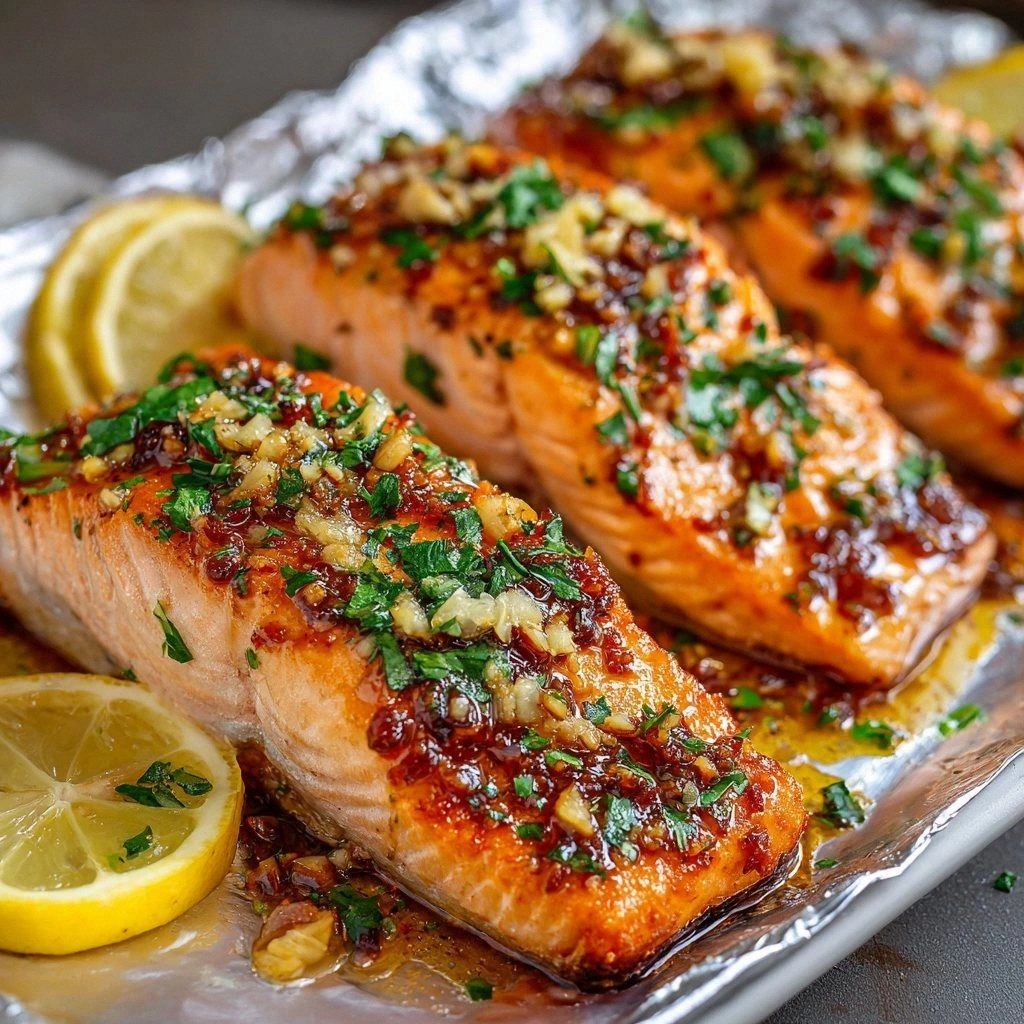
Picture yourself pulling this out of the oven, the kitchen smelling incredible, the foil flaking off to reveal a golden glaze that glistens like honey on a summer morning. The first bite is a burst of umami, a gentle sweetness, and a hint of citrus that lifts the whole experience. I’ve been told that even my skeptical friends have turned into fans after one taste. If you’ve ever struggled to get salmon to stay moist or to avoid over‑cooking, you’re not alone—and I’ve got the fix. Let me walk you through every single step — by the end, you’ll wonder how you ever made it any other way.
What Makes This Version Stand Out
- Taste: The honey and soy sauce create a balanced sweet‑savory glaze that coats the salmon like velvet, turning each bite into a flavor explosion.
- Texture: Baking in foil locks in moisture, keeping the fish tender while the glaze crisps up to a caramelized finish.
- Simplicity: Only nine ingredients, all pantry staples, and a single sheet of foil make this dish a quick, no‑fuss dinner.
- Uniqueness: The combination of honey, garlic, and soy sauce in a foil packet is a game‑changer that most recipes overlook.
- Crowd Reaction: This dish is a hit at dinner parties; guests rave about the glaze and ask for the recipe.
- Ingredient Quality: Fresh salmon, real honey, and freshly minced garlic elevate the dish beyond a standard takeout.
- Cooking Method: Foil baking is a gentle technique that reduces cleanup and preserves the delicate flavors.
- Make‑ahead Potential: The foil packets can be pre‑assembled and frozen, making it an ideal weeknight or weekend meal.
Inside the Ingredient List
The Flavor Base
Honey is the star of the show, providing a natural sweetness that balances the saltiness of soy sauce. If you prefer a more floral note, try a local honey from a nearby farm; it will add a subtle nuance to the glaze. Skipping honey will leave the sauce thin and lacking depth, so keep it on the list. A small tip: stir the honey with a pinch of water to thin it slightly before mixing with soy sauce; this ensures it coats the fish evenly.
The Umami Booster
Soy sauce brings the savory umami punch that anchors the dish. If you’re gluten‑free, tamari or coconut aminos are perfect substitutes, though they are slightly saltier. Don’t rush the mixing; whisk the soy sauce and honey together until they form a glossy sauce that will cling to the fish. If you accidentally over‑salt the sauce, a splash of water will dilute it without compromising flavor.
The Aromatic Core
Garlic is minced to a fine paste so it distributes evenly across the fillets. Fresh garlic is ideal, but if you’re short on time, a jarred garlic paste works fine—just remember to adjust the quantity to avoid overpowering the dish. Skipping garlic will make the dish feel flat; it’s the subtle heat that lifts the honey and soy sauce. A quick hack: crush the garlic with a garlic press to release more aroma.
The Moisture Keeper
Olive oil keeps the salmon moist while adding a hint of richness. Avocado oil is a great alternative if you want a higher smoke point or a milder flavor. The oil also helps the glaze to set into a beautiful glaze on the fish’s surface. If you’re watching your calories, reduce the oil by a teaspoon; the fish will still stay tender.
The Fresh Finish
Lemon slices add brightness and acidity, cutting through the richness of the honey and soy sauce. If you like a stronger citrus note, squeeze the lemon over the salmon after baking. Fresh parsley is the final flourish, adding a pop of color and a fresh herbal note that lifts the entire dish. Skipping the parsley makes the dish look dull; it’s the tiny detail that completes the presentation.
Everything's prepped? Good. Let's get into the real action...
The Method — Step by Step
- Step 1: Prep the Foil. Lay out two large sheets of aluminum foil, each about 12x12 inches. Fold each sheet into a square, leaving a small space in the center to create a pocket. This pocket will hold the salmon and the glaze. I’ve found that using a double layer of foil prevents any sauce from leaking out, keeping the kitchen clean. The foil will also help trap steam, keeping the fish moist.
- Step 2: Season the Salmon. Pat the salmon fillets dry with paper towels; moisture will prevent the glaze from sticking. Sprinkle a pinch of salt and black pepper on both sides. The salt draws out moisture, allowing the glaze to adhere better, while the pepper adds a subtle heat that balances the sweetness. I always let the fillets sit for about five minutes after seasoning—this helps the flavors penetrate.
- Step 3: Assemble the Glaze. In a small bowl, whisk together 2 tablespoons honey, 2 tablespoons soy sauce, 3 minced garlic cloves, 1 tablespoon olive oil, a pinch of black pepper, and the juice of half a lemon. The mixture should be thick enough to coat the fish but still pourable. If the glaze is too thick, add a splash of water to thin it out. This step is pure magic—watch the sauce transform from simple ingredients to a glossy, caramelizing glaze.
- Step 4: Place the Salmon in Foil. Put each seasoned fillet in the center of a foil pocket. Spoon a generous amount of glaze over the top, ensuring the fillet is coated from edge to edge. Add a couple of lemon slices on top of the fish for extra brightness. If you’re a fan of a crispier top, lightly sprinkle a teaspoon of breadcrumbs over the glaze—this will add a delightful crunch when baked.
- Step 5: Seal the Foil. Fold the edges of the foil over the fish, tucking them in to create a sealed packet. The seal is crucial; a loose foil will let steam escape and dry out the fish. I like to crimp the edges with a fork to ensure a tight seal. The sealed packet will trap steam, creating a mini oven that cooks the salmon evenly.
- Step 6: Bake. Preheat your oven to 400°F (200°C). Place the foil packets on a baking sheet and bake for 15-18 minutes, depending on fillet thickness. The salmon should be opaque and flake easily with a fork. The glaze will caramelize, forming a golden sheen that’s as beautiful as it is delicious. If you’re a perfectionist, use a meat thermometer; the internal temperature should reach 145°F (63°C).
- Step 7: Watch Out. Watch out for the glaze burning—if you notice the edges turning dark, reduce the oven temperature slightly or move the packets to a lower rack. The foil traps heat, so it can get hot quickly. The smell of caramelizing honey is a good indicator that the glaze is doing its job. If the glaze starts to look too thick, add a splash of water to thin it out before it burns.
That's it — you did it. But hold on, I've got a few more tricks that'll take this to another level. Each tweak below will elevate the dish from great to unforgettable.
Insider Tricks for Flawless Results
The Temperature Rule Nobody Follows
Many cooks bake salmon at 350°F, but 400°F is the sweet spot for a caramelized glaze and a moist interior. The higher heat cooks the fish faster, preventing it from drying out while giving the glaze time to thicken. I’ve seen people overcook their salmon by using a lower temperature for too long—this trick saves the day.
Why Your Nose Knows Best
Smell the glaze as it bakes. A subtle, sweet aroma indicates caramelization without burning. If you catch a sharp, burnt scent, the glaze is overdone. Adjust the oven or add a splash of water to keep it from scorching. My friend once opened a packet early and was met with a burnt honey smell—she’s still avoiding the dish.
The 5-Minute Rest That Changes Everything
Let the salmon rest in the foil for five minutes after removing it from the oven. The residual heat will finish cooking the fish, ensuring it’s perfectly flaky. It also allows the glaze to set, giving it that glossy sheen that’s so Instagram‑worthy. Skipping this step leaves the fish a little raw in the center.
The Lemon Twist
If you’re craving a citrus kick, add a thin slice of lemon on top of each fillet before baking. The lemon will steam and release a burst of fresh acidity, balancing the honey’s sweetness. This is a subtle yet effective way to elevate the dish for a summer dinner.
The Quick Garnish Hack
A sprinkle of toasted sesame seeds adds texture and a nutty flavor that complements the honey glaze. Toast them in a dry pan until golden, then add them to the top of the salmon just before serving. My guests love the crunch, and it’s a quick way to add a gourmet touch.
Creative Twists and Variations
Spicy Sriracha Kick
Swap half the soy sauce with Sriracha for a spicy version that still balances the honey’s sweetness. The heat will contrast the mellow glaze, creating a dynamic flavor profile. This variation is perfect for those who love a bit of heat.
Citrus Burst with Orange
Replace lemon slices with thin orange slices and add a splash of orange juice to the glaze. The sweet, tangy citrus will give the dish a bright, summery vibe. The orange pairs beautifully with the honey, creating a fragrant glaze.
Herbal Infusion with Basil
Add chopped fresh basil to the glaze for an aromatic twist. Basil’s sweet, peppery flavor complements the honey and soy sauce, creating a Mediterranean flair. This version is ideal for a light, herb‑rich dinner.
Smoky Paprika Finish
Dust the salmon with smoked paprika before sealing the foil. The paprika infuses a subtle smoky flavor that pairs wonderfully with the sweet glaze. It also gives the fish a gorgeous, deep color.
Creamy Coconut Variation
Replace half the olive oil with coconut milk for a creamy, tropical twist. The coconut adds a subtle sweetness that enhances the honey. This version is perfect for a weekend brunch.
Gluten-Free Tamari Swap
Use tamari instead of soy sauce for a gluten‑free option. The flavor profile is similar but with a slightly richer umami taste. This variation is great for those who need to avoid gluten.
Storing and Bringing It Back to Life
Fridge Storage
Store leftover salmon in an airtight container in the refrigerator for up to 3 days. The glaze will thicken in the fridge, so when reheating, add a splash of water to rehydrate it. Reheat in the microwave for 1-2 minutes or in a skillet over low heat, stirring frequently.
Freezer Friendly
Wrap each fillet individually in foil, then place them in a freezer bag. Freeze for up to 2 months. Thaw overnight in the refrigerator before reheating. The foil helps preserve the moisture and prevents freezer burn.
Best Reheating Method
Preheat the oven to 350°F. Place the salmon on a baking sheet and cover loosely with foil to keep moisture in. Heat for 10-12 minutes until warmed through. If you’re in a hurry, microwave it on medium power for 1 minute, then finish in a hot skillet to crisp the glaze.