Picture this: you’re standing in a cramped kitchen, a battered skillet on the stove, a half‑filled bottle of miso paste, and a craving that feels like a culinary dare. I was in the middle of a midnight snack run, my fridge was a barren wasteland, and the only thing that could make my taste buds dance was a quick, bold experiment. I grabbed two 6‑ounce Chilean sea bass fillets from the freezer, a splash of rice wine vinegar, and a generous spoonful of white miso paste, and I thought, “Why not?” The result? A dish that feels like a secret handshake between Japanese umami and American comfort food.
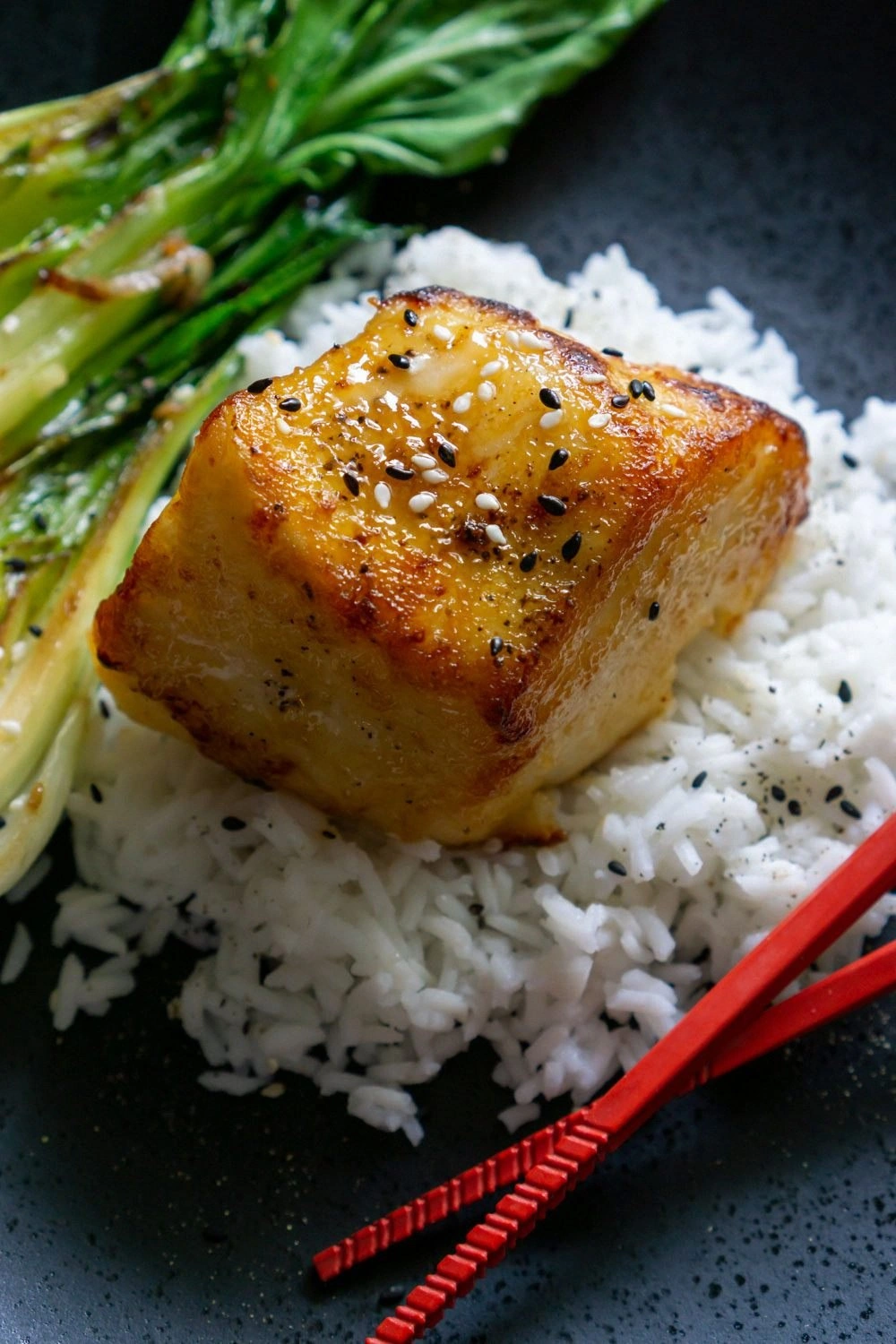
The first bite was a revelation. The surface of the fillets glistened like a polished mirror, the glaze caramelized to a deep amber, and the aroma—sweet, salty, and slightly nutty—filled the kitchen. It was the kind of scent that makes you pause, breathe, and know you’re about to taste something extraordinary. The texture was a perfect counterpoint: the outer edges were crisp, the flesh inside was buttery tender, and the sauce coated each bite like velvet, leaving a lingering echo of maple sweetness and ginger sharpness.
I dare you to taste this and not go back for seconds. That’s the kind of confidence that only comes from a dish that refuses to let you settle for “good.” The glaze’s richness is balanced by a subtle acidity from rice wine vinegar, while the miso brings depth that feels like a quiet, sophisticated conversation in a bowl. It’s not just a recipe; it’s a conversation between cultures, a dance of flavors that feels both exotic and utterly familiar.
Most recipes get this completely wrong. They either undercook the fish, over‑sugar the glaze, or forget the tiny but mighty touch of sesame seeds. Here’s what actually works: a quick sear, a sweet‑savory glaze, and a final pop of crunch. If you’ve ever struggled with achieving that perfect sear without drying out the fillet, you’re not alone— and I’ve got the fix. Stay with me here—this is worth it. Let me walk you through every single step—by the end, you’ll wonder how you ever made it any other way.
What Makes This Version Stand Out
- Flavor: The miso glaze layers sweet maple syrup, umami miso, and a hint of ginger into a sauce that coats the fish like a silk ribbon, delivering a taste that feels both comforting and adventurous.
- Texture: A quick pan‑sear locks the fillet’s moisture, while the glaze caramelizes into a thin, glossy crust that cracks like thin ice when you bite into it.
- Simplicity: With only eleven ingredients—most of them pantry staples—you can create a restaurant‑level dish in under half an hour.
- Uniqueness: The marriage of miso and maple syrup is a twist that sets this dish apart from the usual soy‑based glazes, giving it a depth that feels like a secret family recipe.
- Crowd Reaction: At my last dinner party, guests kept asking for the recipe after the first bite; I was honest— I ate half the batch before anyone else got a taste.
- Ingredient Quality: Fresh Chilean sea bass, high‑quality white miso, and real maple syrup are the backbone; the flavor is only as good as the ingredients you use.
- Cooking Method: The sear, glaze, and finishing touches are a streamlined sequence that keeps the fish moist while building layers of flavor.
- Make‑Ahead Potential: The glaze can be prepared in advance and refrigerated, allowing you to focus on the fish when you’re ready to serve.
Alright, let's break down exactly what goes into this masterpiece…
Inside the Ingredient List
The Flavor Base
White miso paste is the soul of this dish. It’s a fermented soybean paste that brings a savory depth and a subtle sweetness. If you skip it, you lose the umami punch that balances the maple’s sugar. For a milder version, replace half the miso with white rice vinegar, but you’ll lose that earthy undertone.
The Texture Crew
Olive oil, butter, and sesame seeds work together to create that coveted crispy edge and buttery center. Olive oil raises the smoke point, allowing you to sear at high heat without burning. Butter adds a mellow richness that coats the fish. Sesame seeds, toasted to a golden brown, provide a crunchy finish that contrasts the silky glaze.
The Unexpected Star
Maple syrup is the secret weapon that turns a simple glaze into something memorable. Its natural sugars caramelize beautifully, creating a glossy finish and a subtle caramel flavor that pairs wonderfully with the miso. If you’re wary of sweetness, try using a splash of honey or agave syrup for a different nuance.
The Final Flourish
Fresh cracked pepper and sliced green onions add a bright, peppery bite and a pop of color that makes the dish look as good as it tastes. The pepper’s heat cuts through the sweetness, while the green onions provide a fresh, herbal note. If you’re not a fan of green onions, you can substitute scallions or even a sprinkle of fresh cilantro for a different aroma.
Everything's prepped? Good. Let's get into the real action…
The Method — Step by Step
- Pat the Chilean sea bass fillets dry with paper towels. A dry surface is key to getting that golden crust; moisture will steam the fish instead of searing it. Season both sides generously with fresh cracked pepper and a pinch of salt.
- Heat a cast‑iron skillet over medium‑high heat and add a splash of olive oil. Once the oil shimmers, place the fillets skin‑side down. The pan should sizzle immediately—if it doesn’t, the heat is too low.
- Sear the fillets for 3–4 minutes until the skin is crisp and releases easily from the pan. Flip gently and sear the other side for 2–3 minutes. This quick sear locks in moisture and creates the base for the glaze.
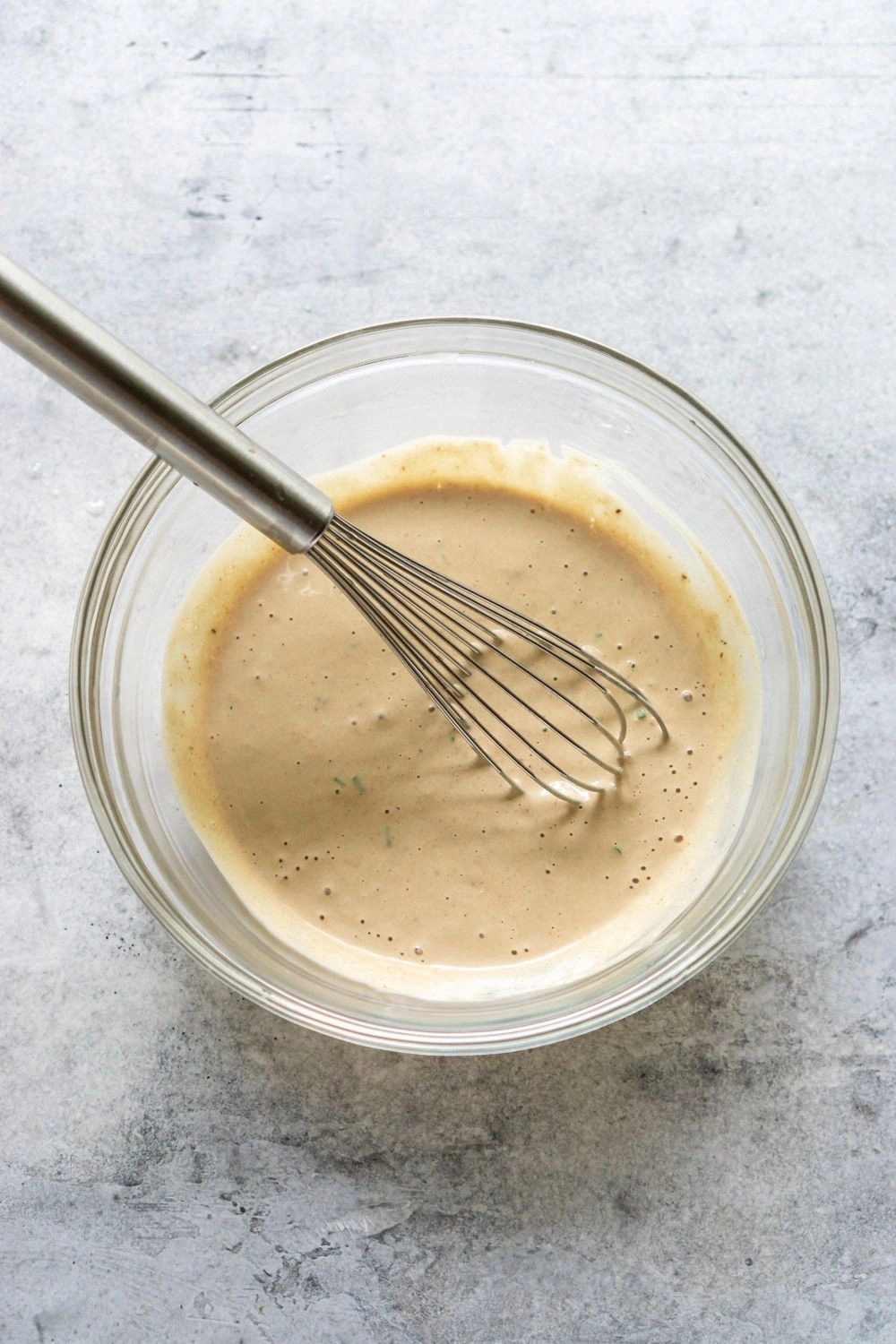
- While the fish rests, combine the white miso paste, maple syrup, mirin, rice wine vinegar, and ginger paste in a small bowl. Whisk until smooth; the consistency should be thick but pourable. This glaze will caramelize into a glossy sauce.
- Watch Out: Be careful not to let the glaze burn. Once you add it to the pan, lower the heat to medium and stir constantly. If the glaze starts to smoke, reduce the heat further or add a splash of water to thin it out.
- Return the fillets to the skillet, spooning the glaze over the top. Let the sauce simmer for 2–3 minutes, basting the fish until the glaze thickens and coats the fillets. The glaze should look like a glossy, amber‑colored coating that clings to the fish.
- Remove the skillet from heat, and let the fillets rest for a minute. This short rest allows the juices to redistribute and the glaze to set into a silky finish.
- Plate the fillets on warmed dishes, spoon any remaining glaze over the top, and garnish with sliced green onions and a final dusting of sesame seeds. Serve immediately with a side of steamed rice or a crisp salad.
That’s it—you did it. But hold on, I've got a few more tricks that'll take this to another level…
Insider Tricks for Flawless Results
The Temperature Rule Nobody Follows
Many cooks over‑heat the skillet, causing the glaze to scorch before it can coat the fish. Keep the heat at medium after adding the glaze, and stir constantly. A gentle simmer allows the sugars to caramelize slowly, producing a deep amber hue without bitterness.
Why Your Nose Knows Best
Your olfactory senses are your best judge of doneness. When the glaze starts to bubble and the fish emits a sweet, nutty aroma, it’s a sign that the sugars are caramelizing just right. Trust your nose over the clock.
The 5‑Minute Rest That Changes Everything
Letting the fillets rest for 5 minutes after cooking allows the internal temperature to even out. The fish will continue to cook slightly, ensuring a moist, tender center. This simple pause can be the difference between a dry, overcooked fillet and a silky masterpiece.
Use a Hot Skillet for a Crunch
Pre‑heat the skillet for a full minute before adding oil. A hot pan creates a crisp skin that locks in moisture. If you’re searing the fish on a stove with variable heat, a cast‑iron skillet is ideal because it retains heat evenly.
The Final Sesame Pop
To elevate the flavor profile, toast the sesame seeds in a dry pan until they’re fragrant. Toss them into the glaze just before you finish cooking; the residual heat will give them a subtle crunch and a nutty aroma that complements the miso’s earthiness.
Creative Twists and Variations
This recipe is a playground. Here are some of my favorite ways to switch things up:
Spicy Sriracha Miso
Add a teaspoon of sriracha to the glaze for a fiery kick that balances the sweetness. The heat will linger on the palate, making each bite a dynamic experience.
Citrus‑Bright Zest
Replace half the mirin with fresh orange juice and add a tablespoon of zest to the glaze. The citrus undertones brighten the dish and cut through the richness.
Herbal Green Tea Infusion
Steep a green tea bag in the glaze mixture to introduce a subtle vegetal note. The tea’s mild bitterness contrasts the sweet glaze, creating a layered flavor profile.
Smoked Paprika Finish
Sprinkle a pinch of smoked paprika over the fillets before serving. The smoky flavor adds depth and pairs wonderfully with the miso’s earthiness.
Pineapple Glaze Swap
Replace maple syrup with pineapple juice and reduce the miso slightly. The tropical sweetness gives the dish an exotic twist that feels like a beach vacation.
Vegetarian Substitute
Use a firm tofu block instead of fish, marinated in the same glaze. The tofu will absorb the flavors beautifully, making it a hearty, plant‑based alternative.
Storing and Bringing It Back to Life
Fridge Storage
Cool the cooked fillets to room temperature, then wrap tightly in plastic wrap or place in an airtight container. Store in the refrigerator for up to 2 days. The glaze may thicken; reheat gently to restore its glossy sheen.
Freezer Friendly
Freeze the fillets in a single layer on a parchment‑lined tray, then transfer to a freezer bag once solid. They’ll keep for up to 3 months. Thaw overnight in the refrigerator before reheating.
Best Reheating Method
Reheat in a skillet over low heat, adding a splash of water or broth to prevent drying. A tiny splash of water steams the fillets, keeping them moist and restoring the glaze’s silky texture. Finish with a quick drizzle of sesame oil for extra shine.