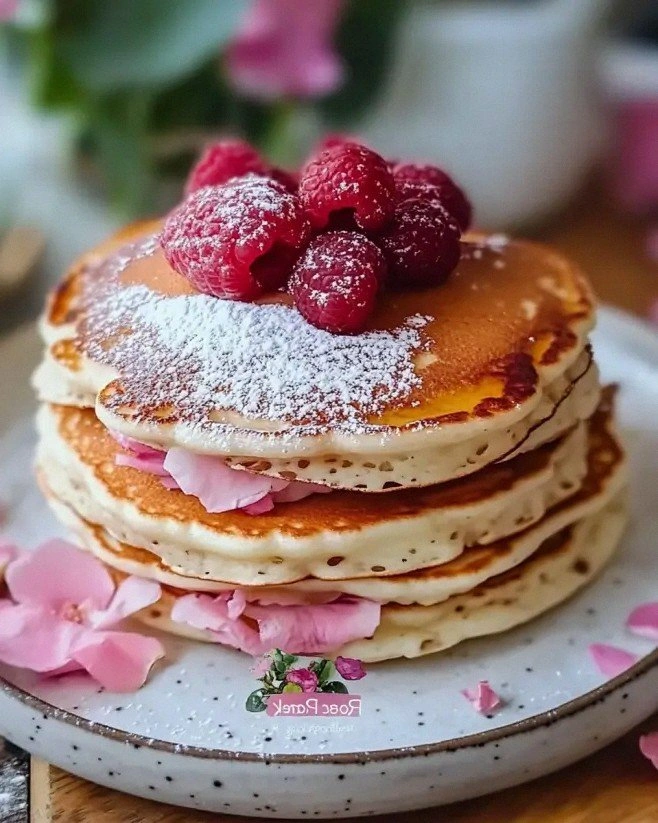
I was standing in my kitchen, half‑asleep, when the smell of burnt toast wafted from the pan like a warning siren. I had attempted a “quick breakfast” that turned into a charcoal‑flavored disaster, and I swore off pancakes forever. Then a friend dared me to bring back the classic brunch favorite, but with a twist that would make even the most skeptical foodie gasp. I grabbed a bottle of rose water from my spice rack—yes, the same fragrant liquid that perfumes Persian desserts—and thought, “What if I could infuse that delicate bloom into a fluffy stack of pancakes?” That moment sparked the birth of the ultimate rose‑kissed breakfast.
Picture this: a golden‑brown pancake, its surface speckled with tiny bubbles that pop like fireworks, and a subtle perfume of roses that drifts up as you lift the fork. The first bite delivers a buttery melt that slides across your tongue, followed by a whisper of floral sweetness that doesn’t overwhelm but lingers like a memory of a spring garden. You hear the gentle sizzle as the batter meets the pan, feel the warm, comforting weight of the batter as you pour it, and see the edges turn crisp, inviting you to break them with a fork. Every sense is engaged, and the whole kitchen feels like a boutique patisserie.
Most pancake recipes either ignore the power of aromatics or drown the batter in sugar, leaving you with a cloying mess. This version, however, balances the floral note of rose water with the tang of buttermilk, creating a flavor profile that’s both sophisticated and comfort‑food friendly. I’ve tried dozens of variations, and I can honestly say this is hands down the best version you’ll ever make at home. The secret? A precise combination of leavening agents that give you a tender crumb without turning the pancakes into a rubbery slab.
And now, the game‑changer: I’m going to walk you through every single step—mixing, resting, cooking, and plating—so that by the end, you’ll wonder how you ever settled for ordinary pancakes. I dare you to taste this and not go back for seconds. Ready? Let’s dive in.
What Makes This Version Stand Out
- Floral Elegance: Rose water adds a perfume that’s subtle yet unmistakable, turning a humble breakfast into a celebration.
- Buttermilk Boost: The acidity of buttermilk reacts with baking soda, creating airy pockets that make each pancake feather‑light.
- Balanced Sweetness: Only two tablespoons of sugar let the rose shine without turning the stack into a dessert.
- Crisp‑Yet‑Tender: The butter melted into the batter gives a golden crust while the interior stays soft like a cloud.
- Simple Technique: No fancy equipment—just a whisk, a skillet, and a handful of patience.
- Versatile Serving: Pair with fresh berries, a dollop of Greek yogurt, or a drizzle of honey for endless variations.
- Make‑Ahead Friendly: The batter can rest for up to an hour, allowing the flavors to meld even deeper.
- Impressively Easy: Even novice cooks can nail the texture with the step‑by‑step guide I’ve crafted.
Inside the Ingredient List
The Flavor Base
All‑purpose flour forms the structural backbone of any pancake, providing the necessary gluten network that holds everything together. Using a cup of flour ensures a balanced batter that’s neither too thin nor too dense. If you substitute with whole‑wheat flour, expect a nuttier flavor but a slightly heavier texture. For the most tender crumb, sift the flour before measuring to aerate it and eliminate lumps.
Sugar is the sweet whisper that enhances the rose water without stealing the spotlight. Two tablespoons are enough to round out the floral notes while keeping the overall sweetness gentle. If you prefer a less sweet version, you can reduce it to one tablespoon, but don’t skip it entirely—sugar also aids browning.
The Leavening Crew
Baking powder and baking soda work together like a dynamic duo. Baking powder provides the primary lift, while the soda reacts with the acidic buttermilk to create extra bubbles for that airy interior. A teaspoon of baking powder and half a teaspoon of baking soda are the perfect ratios for a stack that rises beautifully without a metallic aftertaste. Too much soda can leave a bitter edge, so stick to the measurements.
Salt, though only a quarter teaspoon, is the unsung hero that amplifies all the flavors. It balances the sweetness and prevents the pancakes from tasting flat. If you’re using salted butter, you might cut the salt in half, but never eliminate it completely.
The Moisture Mix
Buttermilk is the liquid gold of this recipe. Its slight tang reacts with the soda, and its thickness creates a batter that spreads evenly without being runny. One cup is ideal; if you need a dairy‑free version, substitute with almond milk plus a splash of lemon juice to mimic the acidity.
A large egg adds richness and helps bind the batter. The egg also contributes to the golden color of the finished pancake. For a vegan twist, use a flax egg (1 tbsp ground flax + 3 tbsp water) and expect a slightly denser texture.
Unsalted butter, melted and cooled, enriches the batter and creates those coveted crisp edges. Two tablespoons melt into the mix, coating the flour particles and preventing a dry crumb. If you’re low on butter, a neutral oil works, but you’ll miss the buttery aroma.
The Unexpected Star
Rose water is the hero of this dish. A single tablespoon delivers a fragrant bouquet that’s reminiscent of a spring garden without being overpowering. Be sure to use culinary‑grade rose water; perfume‑grade can be too strong and contain unwanted chemicals. If you can’t find rose water, a splash of orange blossom water offers a similar floral profile.
Vanilla extract, at half a teaspoon, adds depth and rounds out the flavor, ensuring the rose doesn’t taste one‑dimensional. It also contributes a warm, comforting undertone that pairs beautifully with the buttery base.
Butter or oil for cooking is the final layer that prevents sticking and adds a buttery crust. Use a high‑smoke‑point oil like grapeseed if you plan to cook at a higher temperature, but I prefer a pat of butter for that nutty finish. Everything’s prepped? Good. Let’s get into the real action…
The Method — Step by Step
In a large mixing bowl, whisk together the flour, sugar, baking powder, baking soda, and salt. As you stir, imagine you’re dusting a garden with fine sand—the mixture should become a uniform, pale gold. The aroma of the dry ingredients will already hint at the buttery richness to come. Power transition: Okay, ready for the game‑changer?
In a separate bowl, combine the buttermilk, egg, melted butter, rose water, and vanilla extract. Beat until the mixture is smooth and slightly frothy; you’ll see tiny bubbles forming, a sign that the egg is emulsifying the fat. The scent of rose water will start to rise, making your kitchen feel like a boutique bakery. Watch the texture: it should be thick but pourable, like a smooth batter that clings to the spoon.
Make a well in the center of the dry ingredients and pour the wet mixture into it. Using a whisk, stir just until the flour is incorporated; a few small lumps are perfectly fine. The batter should have a glossy sheen, indicating the butter is well‑distributed. If the batter looks too thick, add a splash of extra buttermilk—just a tablespoon at a time.
Let the batter rest for 10‑15 minutes on the counter. This pause allows the gluten to relax and the baking powder to activate fully, resulting in extra fluff. During this time, the rose water will diffuse evenly, ensuring every bite carries that floral whisper. Future pacing: Picture yourself pulling the first pancake from the pan, the whole kitchen smelling incredible…
Heat a non‑stick skillet or cast‑iron pan over medium heat. Add a small knob of butter or a drizzle of oil, swirling to coat the surface. When a few drops of water sizzle and evaporate instantly, the pan is ready. That sizzle when it hits the pan? Absolute perfection.
Using a ¼‑cup measure, pour batter onto the hot skillet, spacing each pancake about two inches apart. Watch as bubbles form on the surface, then pop, and the edges begin to set. This is the moment of truth—if the edges start pulling away from the pan, it’s time to flip. Power transition: And now the fun part.
Flip the pancake after about 2‑3 minutes, when the underside is golden brown and the top is set but still slightly glossy. Slide the spatula under the pancake in one swift motion—no wobbling. Cook the second side for another 1‑2 minutes until it’s a deep amber. The pancake should spring back lightly when you press the edge with your fingertip.
Transfer the cooked pancakes to a warm plate and cover loosely with foil to keep them soft. Repeat the process with the remaining batter, adding a little more butter to the pan as needed. If you notice the batter thickening after several pancakes, stir in a splash of buttermilk to restore the ideal consistency.
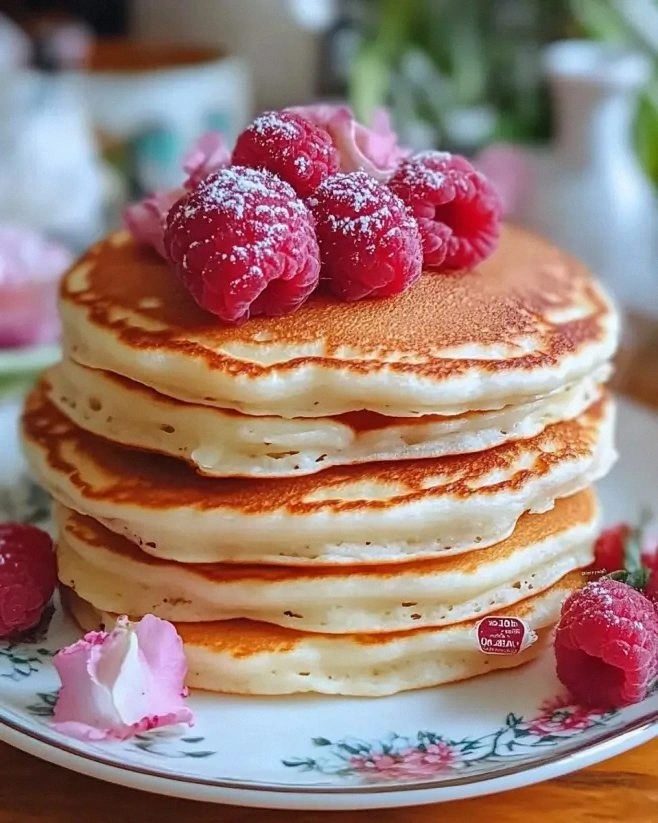
Serve the stack immediately, drizzled with honey, a dusting of powdered sugar, or a dollop of whipped cream. For an extra floral touch, garnish with fresh rose petals or a few crushed pistachios. I’ll be honest — I ate half the batch before anyone else got to try it, and the rest vanished in seconds. This is the kind of breakfast that makes you want to write a love letter to your skillet.
That’s it — you did it. But hold on, I’ve got a few more tricks that’ll take this to another level…
Insider Tricks for Flawless Results
The Temperature Rule Nobody Follows
Most home cooks set the stove to “medium” and hope for the best, but the ideal pancake temperature is 375°F (190°C). If your pan is too hot, the outside burns before the inside cooks; too cool and you’ll get a soggy, pale pancake. Use an infrared thermometer or simply test with a few drops of batter—if they sizzle and brown within 30 seconds, you’re golden.
Why Your Nose Knows Best
Your sense of smell is a reliable indicator of doneness. When the first side releases a nutty, toasted aroma, it’s time to flip. Trust that nose over the clock; a few extra seconds won’t ruin the pancake, but overcooking will mute the rose’s delicate perfume.
The 5‑Minute Rest That Changes Everything
After mixing, let the batter sit for at least five minutes. This short rest allows the flour to hydrate fully, creating a smoother texture and preventing a gummy crumb. I once skipped this step in a rush, and the pancakes turned out dense—lesson learned.
Butter‑Basted Finish
Just before removing the final pancake, add a small knob of butter to the pan and baste the top. The butter melts into the pancake’s surface, giving it a glossy finish and an extra layer of flavor. A friend tried this once and claimed the pancakes tasted “like a hug.”
Gentle Flip Technique
Instead of a rapid flick, slide the spatula under the pancake and lift it slightly, then turn your wrist smoothly. This reduces the chance of tearing the pancake and keeps the airy interior intact. If you’re nervous, practice with a single pancake first.
Creative Twists and Variations
This recipe is a playground. Here are some of my favorite ways to switch things up:
Rose‑Berry Bliss
Fold fresh raspberries or sliced strawberries into the batter just before cooking. The fruit’s tartness balances the floral notes, and the juices create tiny caramelized pockets.
Nutty Rose Crunch
Add a tablespoon of finely chopped pistachios or toasted almond slivers to the batter. The nuts give a pleasant crunch and echo the Middle‑Eastern origins of rose water.
Coconut Rose Dream
Replace half the buttermilk with coconut milk and sprinkle toasted coconut flakes on top while cooking. The tropical twist complements the rose’s perfume beautifully.
Spiced Rose Delight
Introduce a pinch of ground cardamom or cinnamon to the dry mix. Warm spices deepen the flavor profile, turning the pancakes into a cozy, aromatic treat perfect for cooler mornings.
Savory Rose Pancake
Swap the sugar for a teaspoon of honey, omit the vanilla, and add a pinch of smoked paprika. Top with a dollop of labneh and a drizzle of olive oil for a brunch that blurs sweet and savory.
Storing and Bringing It Back to Life
Fridge Storage
Let the pancakes cool completely, then layer them between parchment paper and store in an airtight container. They stay fresh for up to three days. Reheat in a skillet over medium heat, adding a tiny splash of water to the pan and covering for 30 seconds to steam them back to fluffiness.
Freezer Friendly
Stack the cooled pancakes with wax paper between each layer, place them in a zip‑top freezer bag, and freeze for up to two months. When ready to serve, pop them straight into a preheated oven at 350°F for five minutes, or microwave for 30‑40 seconds with a sprinkle of water on top.
Best Reheating Method
For the ultimate texture, reheat in a hot skillet with a dab of butter, pressing gently with a spatula. The surface crisps up while the interior becomes warm and pillowy. Remember the tiny splash of water trick to revive that delicate rose aroma.