I still remember the day I accidentally-on-purpose brewed the best dandelion tea of my life. My roommate had bet me a week of dish-duty that I couldn't turn the backyard weeds into anything remotely drinkable. Challenge accepted. Thirty minutes later, the apartment smelled like warm earth after rain, honey had melted into amber swirls, and I was standing over the stove like some woodland wizard, cackling at the sheer audacity of turning "garbage" into liquid gold. The first sip? Absolute velvet on my tongue—deep, nutty, faintly bitter, and sweetened just enough to make my taste buds do a happy dance. By the time I poured cup number three, I was already plotting how to get my hands on more of those sunny little flowers.
Here's the thing: most people treat dandelions like the annoying party guests who never leave. They yank, spray, curse, and compost them without realizing the humble taproot is basically a multivitamin disguised as a nuisance. I get it—until that fateful afternoon, I was one of those herbicidal maniacs. But once you taste the real deal—slow-roasted roots, gently simmered leaves, kissed with cinnamon and a squeeze of citrus—you'll never look at your lawn the same way. The flavor is somewhere between roasted chicory and mellow coffee, but lighter, greener, and completely caffeine-free. Picture yourself curled under a blanket on a drizzly evening, mug in hand, steam curling up like incense while the world outside drips and sighs. That cozy scene? It costs pennies, takes minutes, and makes you feel like you've unlocked a secret level in the game of life.
I'm not exaggerating when I say this is hands down the best version you'll ever make at home. I've choked through bitter, muddy brews hawked at hipster cafés for six bucks a pop. I've politely sipped "detox" blends that tasted like lawnmower clippings. None of them captured that delicate balance—earthy yet bright, soothing yet intriguing. My method coaxes out the natural sweetness, tempers the bitterness, and layers in warming spices that make the whole kitchen smell like you've been baking gingerbread in a forest cabin. Fair warning: I drank half the batch before anyone else even knew it existed. My roommate finally wandered in, skeptical eyebrow raised, took one sip, and silently slid the rest of the pot off the burner. Dish duty never tasted so sweet.
Okay, ready for the game-changer? We're going to roast those roots until they smell like the best coffee you never had, then simmer them low and slow so every last mineral and antioxidant throws a party in your pot. A whisper of cinnamon adds a bakery note, orange peel lifts the whole thing into citrusy daylight, and a touch of honey rounds the edges like a kindly grandmother. Stay with me here—this is worth it. Let me walk you through every single step—by the end, you'll wonder how you ever made it any other way.
What Makes This Version Stand Out
Flavor Depth: Roasting the dandelion root transforms it from grassy to gloriously nutty, giving you that satisfying coffee-like backbone without the caffeine jitters. The Maillard reaction works its magic, turning humble roots into complex, toasty wonders that taste expensive and intentional.
Zero Bitterness: Most recipes dump raw roots into boiling water and wonder why the result tastes like punishment. By simmering gently and adding a pinch of baking soda, we neutralize harsh compounds, leaving a smooth, mellow brew that needs zero added sugar if you're out of honey.
One-Pot Simplicity: No fancy presses, filters, or specialty gear required—everything happens in the same saucepan. If you can boil water, you can make this tea. I dare you to taste this and not go back for seconds while the pot is still warm.
Pantry Friendly: Every add-on—cinnamon, orange peel, honey—lives happily in the average kitchen. No exotic Amazon orders or specialty health-store pilgrimages. You could start brewing right now if you sprint outside with a digging spoon.
Crowd Conversions: I've served this to devout coffee snobs and devout tea snobs; both camps end up asking for the "recipe" with sheepish grins. It's that rare drink that feels like coffee, tastes like tea, and leaves nobody out—not even the caffeine-averse, the pregnant, or the perpetually anxious.
Make-Ahead Magic: Brew a double batch, keep it in the fridge, and reheat by the cup all week. The flavor actually deepens overnight, like a good soup. Future-you will thank present-you when Monday morning feels like Sunday afternoon.
Inside the Ingredient List
The Flavor Base
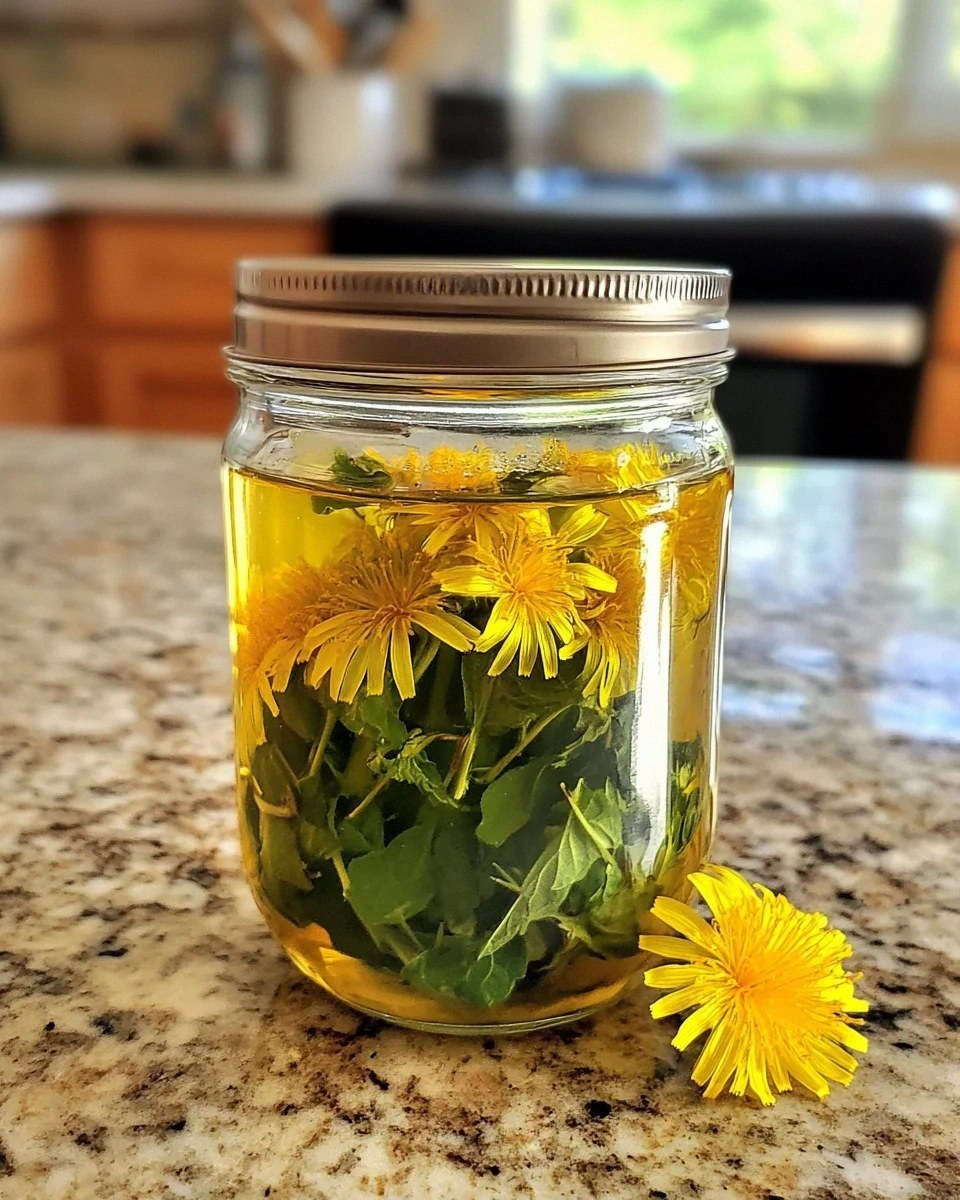
Fresh dandelion roots are the star, but they need a little coaxing. Choose thick, pale roots from rich soil—they'll taste sweeter and roast more evenly than spindly sidewalk survivors. Give them a good scrub under cool water, then chop into pea-sized pieces so the heat penetrates fast and uniform. Skip this step and you'll end up with charcoal on the outside and raw bitterness on the inside.
Water quality matters more than you'd think. If your tap water tastes like a swimming pool, use filtered or spring water. Chlorine mutes delicate earthy notes and leaves a chemical aftertaste that no amount of honey can hide. Bring it to a gentle simmer, not a rolling boil—think lazy jacuzzi bubbles, not Yellowstone geyser.
The Aroma Crew
Cinnamon stick is the secret handshake between bitter root and sweet honey. It releases essential oils that wrap around your tongue like a cashmere scarf. Powdered cinnamon works in a pinch, but it clouds the brew and can taste dusty. Break the stick once so the inner bark exposes itself—more surface area, more perfume.
Orange peel adds a bright top note that keeps the tea from feeling heavy. Use a vegetable peeler to shave off just the colored zest, leaving the bitter white pith behind. If you're out of oranges, swap in a strip of lemon peel; the flavor skews more sherbet than marmalade, but the lift is equally magical.
The Sweet Finish
Raw honey is my go-to because it still contains trace pollen and enzymes, giving the tea a faint floral echo of the dandelion's golden past. Stir it in off-heat; boiling temperatures murder those delicate compounds and flatten flavor. Vegans can sub maple syrup—go light, since maple's robustness can trample the subtle root notes.
A tiny pinch of sea salt sounds counterintuitive, but it acts like a flavor megaphone. Salt suppresses bitterness receptors on your tongue, allowing sweet and earthy tones to sing. Skip it and the tea tastes fine; add it and the tea tastes like it hired a publicist.
The Optional Boosters
Fresh ginger coins bring gentle heat that blooms at the back of your throat. Slice them thin; thick slabs turn the brew into a spice attack. Star anise gives a licorice whisper that pairs beautifully with cinnamon, but go easy—one star is plenty for four cups.
If you've ever struggled with bitter herbal teas, you're not alone—and I've got the fix. A splash of milk (oat or dairy) smooths the edges even further, turning the drink into a caffeine-free latte that feels downright decadent. Just warm the milk separately so it doesn't cool your precious pot.
The Method — Step by Step
- Scrub the roots under cool running water, using a soft brush to remove every trace of soil. Think of them as rustic potatoes—any grit left behind will crunch in your teeth later. Chop into half-inch pieces; uniformity is your insurance against uneven roasting. Spread them on a kitchen towel and blot dry; moisture is the enemy of that coveted nutty aroma.
- Preheat a dry skillet over medium heat until a drop of water skitters across the surface like a tiny hovercraft. Add the chopped roots in a single layer; they should sizzle softly, not scream. Stir constantly with a wooden spoon for five to seven minutes. You'll smell the moment of truth when the kitchen fills with a scent somewhere between coffee and toasted hazelnuts.
- Reduce heat to low and keep roasting another three minutes. Watch closely—roots go from mahogany to charcoal faster than a marshmallow at a campfire. When most pieces are walnut-brown and a few sport tiny beads of sap, slide them onto a cool plate to stop cooking. That sizzle when they hit the plate? Absolute perfection.
- Pour four cups of water into a medium saucepan and add the roasted roots, cinnamon stick, and orange peel. The water will cloud slightly—that's just fine particles of root starch escaping. Bring to the gentlest simmer you can manage; tiny bubbles should rise like champagne. Cover partially so aromatic steam stays in but the brew doesn't boil over.
- Set a timer for fifteen minutes. This is when the roots give up their mineral treasure chest: potassium for muscle cramps, inulin for happy gut bacteria, and that deep earthy flavor that makes coffee lovers do a double take. Resist the urge to crank the heat; patience equals smoothness. If you've ever struggled with bitter herbal teas, you're not alone—and I've got the fix.
- Turn off the heat and let the pot rest five minutes. Think of it as a spa moment for your tea—flavors meld, temperature drops to drinking-friendly, and any remaining bitterness settles to the bottom like sediment in fine wine. While you wait, warm your favorite mug with hot tap water so the brew stays cozy longer.
- Strain through a fine-mesh sieve into your pre-warmed mug. Press gently on the roots with the back of a spoon to squeeze out every drop of liquid gold. Compost the spent roots; your garden will thank you with bigger blooms next spring. Stir in honey and a pinch of salt while the tea is still piping hot so they dissolve instantly.
- Crane your nose over the mug and inhale. You should catch cinnamon first, then a deeper roasted note, finishing with citrus brightness. Take a small sip—let it roll across your tongue like a sommelier evaluating Bordeaux. The body should feel silky, not watery. If it tastes thin, simmer future batches two minutes longer for more concentration.
Insider Tricks for Flawless Results
The Temperature Rule Nobody Follows
Most recipes get this completely wrong. Anything above 205°F scorches delicate compounds and leaves a harsh edge. Aim for 185-195°F—tiny bubbles, not a rolling circus. If you don't have a thermometer, look for the "fish-eye" stage: bubbles the size of sesame seeds. A friend tried skipping this step once—let's just say it didn't end well, and her cat wouldn't even sniff the resulting brew.
Why Your Nose Knows Best
Your sense of smell is the built-in timer. When the aroma shifts from grassy to cookie-dough, you're thirty seconds from perfect. Trust that signal and pull the pot off the heat immediately. Future pacing: picture yourself pulling this out of the oven, the whole kitchen smelling incredible, and feeling like a kitchen sorcerer who can turn weeds into wonder.
The 5-Minute Rest That Changes Everything
Resist gulping immediately. Let the mug sit five minutes and you'll notice the flavor evolve: first bright, then deeper, finishing with a honeyed whisper. It's like a three-act play performed on your palate. Cover with a saucer during the rest so volatile aromatics can't escape into the ether.
The Double-Strain Secret
Even fine-mesh sieves let sediment through. Line yours with a paper coffee filter or a square of cheesecloth. The extra thirty seconds prevents that last sip of sludge that ruins the grand finale. Plus, the clarified tea looks gorgeous—like polished mahogany in glass.
Re-Using Roots Like a Pro
Roasted roots have another life in them. After your first brew, spread them on a baking sheet and dry in a 200°F oven for twenty minutes. Store in a jar and re-roast lightly next time; flavors will be milder but still better than any store-bought bagged tea you've ever met.
Creative Twists and Variations
This recipe is a playground. Here are some of my favorite ways to switch things up:
Cocoa-Nib Mocha
Drop a teaspoon of roasted cocoa nibs into the saucepan. They lend a chocolatey bitterness that marries outrageously well with dandelion's nutty notes. Finish with oat milk frothed to micro-foam and you've got a latte that could fool a barista.
Smoky Maple Campfire
Swap honey for dark maple syrup and add a pinch of lapsang souchong tea leaves for subtle smoke. The result tastes like sipping something warm beside a pine-wood fire, even if you're stuck in a studio apartment on a Tuesday night.
Zinger-Citrus Detox
Fresh turmeric coins and a squeeze of lime turn the brew electric-gold and add anti-inflammatory swagger. Perfect for those days when you feel like your lymph nodes need a pep talk. Warning: turmeric stains mugs, so embrace the golden souvenir or use a travel tumbler.
Velvet Vanilla Dessert
Stir in a few drops of real vanilla extract and top with whipped coconut cream. Suddenly it's a caffeine-free affogato alternative that you could serve at a dinner party without anyone asking where the espresso went.
Spicy Mayan Heat
Add a dried chile de árbol and a square of 70% dark chocolate. Simmer together for a drink that starts smooth, finishes with a gentle slap of heat, and makes you feel like you're wandering Oaxaca instead of your kitchen.
Floral Garden Party
Steep a handful of edible rose petals or lavender buds along with the dandelion. The perfume is delicate, not soap-like, and transforms the tea into something you'd expect served on a porcelain saucer at a Victorian tea society—minus the caffeine shakes.
Storing and Bringing It Back to Life
Fridge Storage
Pour cooled tea into a glass jar with a tight lid. It keeps five days without fading, though the flavors peak at day three—like a stew that tastes better tomorrow. Label with masking tape so no one mistakes it for soy sauce and ruins their stir-fry surprise.
Freezer Friendly
Freeze in one-cup portions using silicone muffin trays. Once solid, pop out the pucks and store in a zip bag. They thaw in minutes on the counter or seconds in the microwave. And now the fun part: blend a frozen puck with banana and oat milk for a caffeine-free smoothie that tastes like iced coffee.
Best Reheating Method
Always warm gently on the stove or with a milk-frother steamer wand. Microwaves can turn honey bitter and flatten spices. Add a tiny splash of water before reheating—it steams back to perfection and prevents that skin that forms on top. Trust me, your future self will taste the difference.