Picture this: a rainy Thursday night, the kind where the clouds are so low you could practically taste the humidity, and you’re staring at an empty fridge wondering if you’ll ever coax something decent out of those sad leftovers. I was in that exact spot, armed with a half‑dead bag of smoked sausage that had been lounging in the freezer for months, a box of pasta that had been gathering dust, and an overwhelming desire for comfort that could rival a warm hug from a grandma. I tossed the sausage into a pan, and the first sizzle was like a tiny fireworks show—sharp, smoky, and promising something spectacular. That moment sparked a dare: could I turn these random odds and ends into a one‑pot wonder that would make even the most skeptical foodie swoon?
Fast forward a couple of frantic minutes, and the kitchen was alive with a symphony of sounds: the gentle pop of garlic hitting hot oil, the rhythmic bubbling of broth as it met the pasta, and the occasional soft sigh of spinach wilting into submission. The air was thick with a smoky, creamy perfume that seemed to hug the walls, while the pot itself turned into a glossy, caramel‑kissed cauldron of sauce that clung to every curve of the noodles like velvet. When I finally lifted the lid, a cascade of melted Parmesan snowed down, and the whole dish shimmered with an inviting sheen that made my stomach do cartwheels. I took a tentative forkful, and the flavors collided in a perfect storm—smoky, cheesy, buttery, with a hint of fresh green that cut through the richness like a cool breeze on a summer day.
Most recipes for smoked sausage pasta either drown the sausage in a sea of cream or leave the pasta soggy and bland. This version flips that script entirely: the sausage stays the star, the pasta cooks directly in the broth and cream, soaking up every nuance, and the spinach adds a pop of color and a nutritional punch without turning the dish into a wilted mess. I’m not just talking about a good dinner; I’m talking about a dish that could become the go‑to for busy weeknights, a crowd‑pleaser for potlucks, and even a comforting solo indulgence when you’re craving something hearty. The secret? A strategic timing of the cream and a quick finish with Parmesan that creates a sauce so silky it practically slides off the fork.
And here’s the kicker: I’m about to reveal a tiny trick involving the chicken broth that will make the pasta absorb flavor like a sponge, a move most cooks completely overlook. I dare you to taste this and not go back for seconds. Let me walk you through every single step — by the end, you’ll wonder how you ever made it any other way.
What Makes This Version Stand Out
- Smoky Depth: The smoked sausage isn’t just an ingredient; it’s the backbone, delivering a rich, wood‑kissed flavor that permeates the entire dish from the first bite.
- Creamy Coating: Heavy cream is added at just the right moment, creating a sauce that clings to each piece of pasta like a luxurious blanket.
- One‑Pot Simplicity: No extra pans, no draining, no rinsing—everything cooks together, saving time and reducing cleanup to a single wipe.
- Texture Harmony: The pasta finishes al dente, the sausage stays juicy, and the spinach adds a tender crunch that prevents the dish from feeling heavy.
- Instant Crowd‑Pleaser: The aroma alone draws people into the kitchen; the first spoonful often earns a chorus of “more, please!”
- Ingredient Quality: Using a high‑quality smoked sausage and fresh spinach elevates the dish from ordinary to unforgettable.
- Cooking Method Magic: The broth‑and‑cream combo cooks the pasta perfectly while infusing every noodle with flavor—most recipes miss this.
- Make‑Ahead Potential: This dish reheats beautifully, and the flavors actually deepen after a night in the fridge.
Inside the Ingredient List
The Flavor Base
Smoked Sausage: This is the star of the dish that adds a savory and smoky flavor to your pasta. The fat rendered from the sausage creates a natural oil that sautés the onions and garlic, building a flavor foundation that no store‑bought sauce can mimic. If you skip it, you’ll lose that signature smoky backbone and the dish will feel flat. For a milder profile, opt for a lightly smoked kielbasa; for extra punch, choose a hot and spicy chorizo.
Onion: Adds sweetness and depth; you can choose yellow or red onions based on your preference. When the onion caramelizes, it releases natural sugars that balance the saltiness of the sausage. Missing the onion means losing that subtle sweetness that prevents the dish from tasting overly salty. A quick tip: dice it uniformly so it softens at the same rate as the sausage.
The Aroma Crew
Garlic: A must‑have for adding aromatic flavors; fresh garlic will elevate the dish even more. The garlic infuses the oil with a pungent, buttery note that lingers on the palate. Skipping garlic makes the sauce feel one‑dimensional. If you’re allergic to garlic, try a pinch of asafoetida for a similar depth.
Chicken Broth: This liquid infuses the pasta with flavor and keeps everything moist during cooking. The broth acts as a cooking medium, allowing the pasta to absorb savory goodness while staying perfectly al dente. Using water instead will result in a bland, lifeless sauce. Choose a low‑sodium broth so you can control the salt level later.
The Creamy Core
Heavy Cream: To create a luscious sauce that binds all the ingredients together. The cream adds richness and a velvety mouthfeel that makes each bite feel indulgent. Skipping the cream turns this into a dry, broth‑heavy dish. For a lighter version, substitute half‑and‑half, but expect a thinner sauce.
Parmesan Cheese: A sprinkle of cheese at the end adds a deliciously salty finish. The cheese melts into the sauce, deepening the umami and adding a subtle nutty edge. Omitting it will leave the sauce missing that final “wow” factor. Freshly grated always beats pre‑shredded for texture and flavor.
The Fresh Finish
Spinach: Fresh spinach adds a pop of color and a nutritious boost to the meal. It wilts quickly, integrating its mild earthiness without overpowering the smoky sausage. Leaving it out makes the dish look dull and reduces its vitamin content. If you’re not a fan of spinach, kale or arugula can be swapped, though they’ll change the texture.
Everything's prepped? Good. Let's get into the real action...
The Method — Step by Step
Heat a large, heavy‑bottomed pot over medium heat and drizzle in a tablespoon of olive oil. When the oil shimmers, add the sliced smoked sausage, letting it sizzle until the edges turn a deep caramel brown—about 4–5 minutes. Listen for that satisfying crackle; it’s the sound of flavor being released. Using a wooden spoon, stir occasionally so the sausage renders its fat evenly. This fat will become the cooking medium for the onions and garlic, so don’t rush this step.
Next, toss in the diced onion, stirring until it becomes translucent and begins to turn golden around the edges—roughly 3 minutes. The aroma should be sweet and slightly nutty, a clear sign the onions are caramelizing properly. Add the minced garlic and cook for another 30 seconds, just until you smell that unmistakable garlicky perfume. Watch Out: If the garlic starts to brown, it will turn bitter, so keep the heat moderate and keep the pan moving.
Watch Out: Overcrowding the pot at this stage will steam the onions instead of browning them, resulting in a dull flavor.Now pour in the chicken broth, scraping the browned bits from the bottom of the pot. Those bits are flavor gold, and you want them in the sauce. Bring the mixture to a gentle boil, then add the uncooked pasta, spreading it evenly so it’s fully submerged. Reduce the heat to a simmer and cover the pot loosely; the pasta will soak up the broth while cooking, turning the liquid into a thick, creamy base.
After about 8 minutes, check the pasta’s texture—aim for al dente with a slight bite. If the pasta is still firm, stir in the heavy cream, allowing it to melt into the broth and create a glossy, velvety coating. The sauce should thicken instantly, hugging each noodle like a silk scarf. Keep the pot uncovered for the final 2 minutes so any excess liquid evaporates, leaving a luxurious, clingy sauce.
Kitchen Hack: If the sauce looks too thick, splash in a splash of extra broth or water—this prevents the pasta from drying out.Stir in the fresh spinach, letting it wilt in the hot sauce. It will shrink dramatically, so don’t be alarmed if the pot looks suddenly empty; the spinach is simply folding into itself. The wilted spinach adds a bright green contrast that makes the dish visually appealing and adds a subtle earthiness. Toss everything together until the spinach is fully incorporated and the sauce has a uniform, emerald‑tinted sheen.
Season with salt and freshly cracked black pepper to taste, then sprinkle the grated Parmesan over the top. The cheese will melt instantly, enriching the sauce with a nutty, salty depth. Give the pot a final gentle stir, making sure the cheese is evenly distributed. At this point, the dish should smell intoxicating—a blend of smoky sausage, creamy dairy, and fresh greens.
Turn off the heat and let the pasta sit, covered, for a minute or two. This resting period allows the flavors to marry and the sauce to settle, preventing it from splattering when you serve. While you wait, grab a serving bowl and a generous grater for an extra dusting of Parmesan—because extra cheese is never a crime.
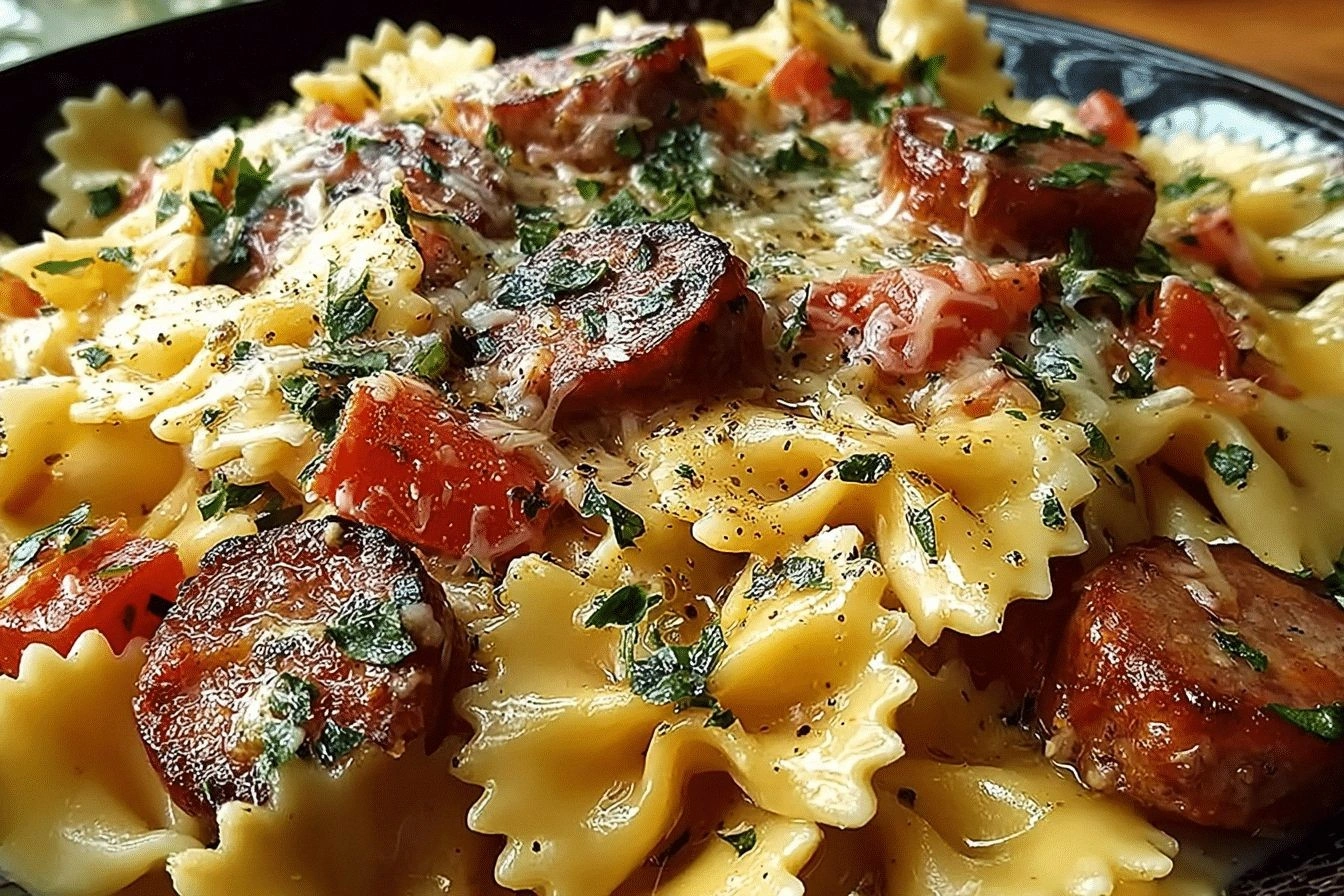
Serve the One‑Pot Smoked Sausage Pasta hot, straight from the pot or plated with a garnish of chopped parsley for a pop of fresh color. Pair it with a crisp green salad or a crusty loaf to mop up any remaining sauce. Picture yourself pulling this out of the pot, the whole kitchen smelling incredible, and your guests reaching for seconds without hesitation. And now the fun part: you’ve just mastered a dish that will become a staple in your culinary arsenal.
Insider Tricks for Flawless Results
The Temperature Rule Nobody Follows
Keep the heat on medium‑low once the broth and pasta are combined. High heat will cause the liquid to evaporate too quickly, leaving the pasta undercooked and the sauce thin. I once tried a “speed‑up” method on high, and the result was a dry, unevenly cooked mess that made me regret the shortcut. The secret is patience; a gentle simmer lets the pasta absorb flavor evenly while the cream thickens without curdling.
Why Your Nose Knows Best
Trust the aroma as your cooking thermometer. When the onions turn golden and the garlic releases its fragrance, you know the flavor base is ready. If you can’t smell the smoky notes after the sausage browns, increase the heat slightly and let the Maillard reaction do its magic. Your nose is a built‑in sensor that tells you when the dish is approaching perfection.
The 5‑Minute Rest That Changes Everything
After you’ve turned off the heat, let the pot sit covered for five minutes. This rest lets the starches in the pasta release slowly, thickening the sauce naturally. Skipping this step often results in a sauce that separates when served. I once served the pasta immediately and the sauce looked oily; a short rest fixed that instantly.
Cheese Timing is Everything
Add the Parmesan at the very end, off the heat. Adding it too early can cause the cheese to clump and become grainy. By sprinkling it after the heat is off, the cheese melts gently, creating a silky finish that coats each noodle. For an extra flavor boost, use a mix of Pecorino Romano and Parmesan.
Spinach Doesn’t Need to Be Fully Cooked
Because the spinach wilts so quickly, you only need to add it in the last two minutes of cooking. Overcooking it turns the leaves mushy and releases excess water, diluting the sauce. A quick toss until just wilted preserves its bright color and a slight bite, adding texture contrast to the creamy pasta.
Broth Choice Impacts Flavor Depth
Using a homemade chicken broth or a high‑quality store‑bought version adds layers of savory depth that water simply can’t provide. If you’re short on time, a low‑sodium broth concentrate works, but be sure to dilute it to the right strength. The broth is the silent hero that carries the smoky sausage flavor throughout the dish.
Creative Twists and Variations
This recipe is a playground. Here are some of my favorite ways to switch things up:
Spicy Inferno
Swap the regular smoked sausage for a hot Italian sausage and add a pinch of red pepper flakes when you sauté the onions. The heat will cut through the cream, giving the dish a lively kick that’s perfect for those who love a little fire.
Herbaceous Garden
Replace spinach with kale or Swiss chard, and finish with a handful of fresh basil and thyme. The earthy greens pair beautifully with the smoky sausage, while the herbs add an aromatic freshness that brightens the whole bowl.
Tomato‑Infused
Stir in a cup of diced fire‑roasted tomatoes after the broth has come to a boil. The tomatoes add acidity and a subtle sweetness, creating a balanced flavor profile that feels more like a rustic Italian bake.
Cheesy Overload
Mix in a quarter cup of shredded mozzarella along with the Parmesan for a stringy, gooey texture. The mozzarella melts into pockets of cheese that surprise the palate with each bite.
Veggie‑Boosted
Add a cup of roasted red peppers or sautéed mushrooms alongside the sausage. These vegetables contribute umami and a sweet, smoky depth that complements the sausage without overpowering it.
Gluten‑Free Friendly
Swap the traditional pasta for gluten‑free penne or rice noodles. The cooking method remains the same; just adjust the cooking time according to the package instructions.
Storing and Bringing It Back to Life
Fridge Storage
Transfer any leftovers to an airtight container and refrigerate for up to 3 days. The sauce may thicken as it cools; simply reheat gently and stir in a splash of chicken broth or water to loosen it back to a silky consistency.
Freezer Friendly
This dish freezes beautifully. Portion it into freezer‑safe bags or containers, leaving a little headspace for expansion. Freeze for up to 2 months. When ready to eat, thaw overnight in the fridge, then reheat on the stovetop, adding a splash of broth to revive the sauce.
Best Reheating Method
Reheat over low heat in a saucepan, stirring constantly. Add a tiny splash of water or broth—just enough to create steam—then finish with a fresh sprinkle of Parmesan. This trick restores the creamy texture and prevents the sauce from separating.