Picture this: the kitchen clock ticked past midnight, the fridge was a barren wasteland, and I had just finished a frantic stir‑fry that ended in a burnt pot and a lingering smell of regret. I stared at the empty counter, feeling the familiar pang of culinary despair that only a seasoned cook knows all too well. That night, a friend texted me, “I’ve got a creamy zucchini soup that will change your life.” My curiosity, and a hint of desperation, turned that text into a dare: “I dare you to taste this and not go back for seconds.”
I opened the pantry, pulled out my trusty can of white beans, and sliced four medium zucchini into perfect, even cubes. The aroma that hit me first was the fresh, green scent of zucchini, mingling with the earthy undertones of garlic and onion. As I sautéed, the sizzle was like a tiny drumbeat, signaling that something delicious was about to happen. The colors on the stove were a bright green against a muted brown, a visual promise that this soup would be more than just another bowl of comfort.
I’ve tried countless zucchini soups over the years, from the plain, watery ones that leave you craving more to the overly thick, creamy concoctions that taste like a mash. What sets this version apart is the subtle layering of flavors, the silky mouthfeel that coats your palate like velvet, and the fact that every single ingredient is doing a double duty. It’s a recipe that’s simple enough for a weeknight but sophisticated enough to wow a dinner guest. The secret? A splash of lemon at the end that brightens the whole dish.
If you’ve ever struggled to find the right balance of creaminess and brightness in a vegetable soup, you’re not alone. I’ll be honest—after tasting the first spoonful, I nearly ate the entire pot before anyone else got a chance. But by the end of this post, you’ll understand why this soup is hands down the best version you’ll ever make at home. So grab your skillet, set your timer, and let’s walk through every single step—by the end, you’ll wonder how you ever made it any other way.
What Makes This Version Stand Out
- Flavor Depth: The combination of fresh thyme, garlic, and a hint of lemon creates a complex profile that’s both comforting and invigorating. Each ingredient is carefully balanced, ensuring that no single element overpowers the others.
- Texture: The pureed zucchini and beans give a silky base, while the remaining whole pieces provide a satisfying bite that keeps the soup interesting.
- Ease of Prep: With only ten minutes of prep time, you can have a gourmet bowl ready before dinner guests arrive. No need for fancy equipment or hard‑to‑find spices.
- Versatility: Swap out the can of beans for chickpeas or lentils, and you’ve got an entirely new protein profile. The base remains the same, so you can experiment without compromising the core taste.
- Health Factor: Low in calories but high in fiber, protein, and micronutrients, this soup is a perfect fit for a balanced diet.
- Make‑ahead Friendly: It keeps well in the fridge for up to five days and freezes beautifully, making it ideal for busy weeknights.
- Presentation: Serve it in a bowl with a swirl of olive oil and a sprinkle of fresh herbs, and you’ll have a dish that looks as good as it tastes.
Alright, let’s break down exactly what goes into this masterpiece…
Inside the Ingredient List
The Flavor Base
The onion and garlic are the unsung heroes that lay the groundwork for the entire dish. Sautéed until translucent, they release a sweet aroma that becomes the backbone of the soup. If you skip this step, the soup feels flat and lacks that subtle umami punch.
Choosing a medium yellow onion is key; its mild sweetness balances the earthiness of the zucchini. If you’re in a hurry, you can use pre‑chopped onion, but fresh diced onion provides a brighter flavor profile. Remember, the more you cook them, the sweeter they become—so keep the heat moderate.
The Texture Crew
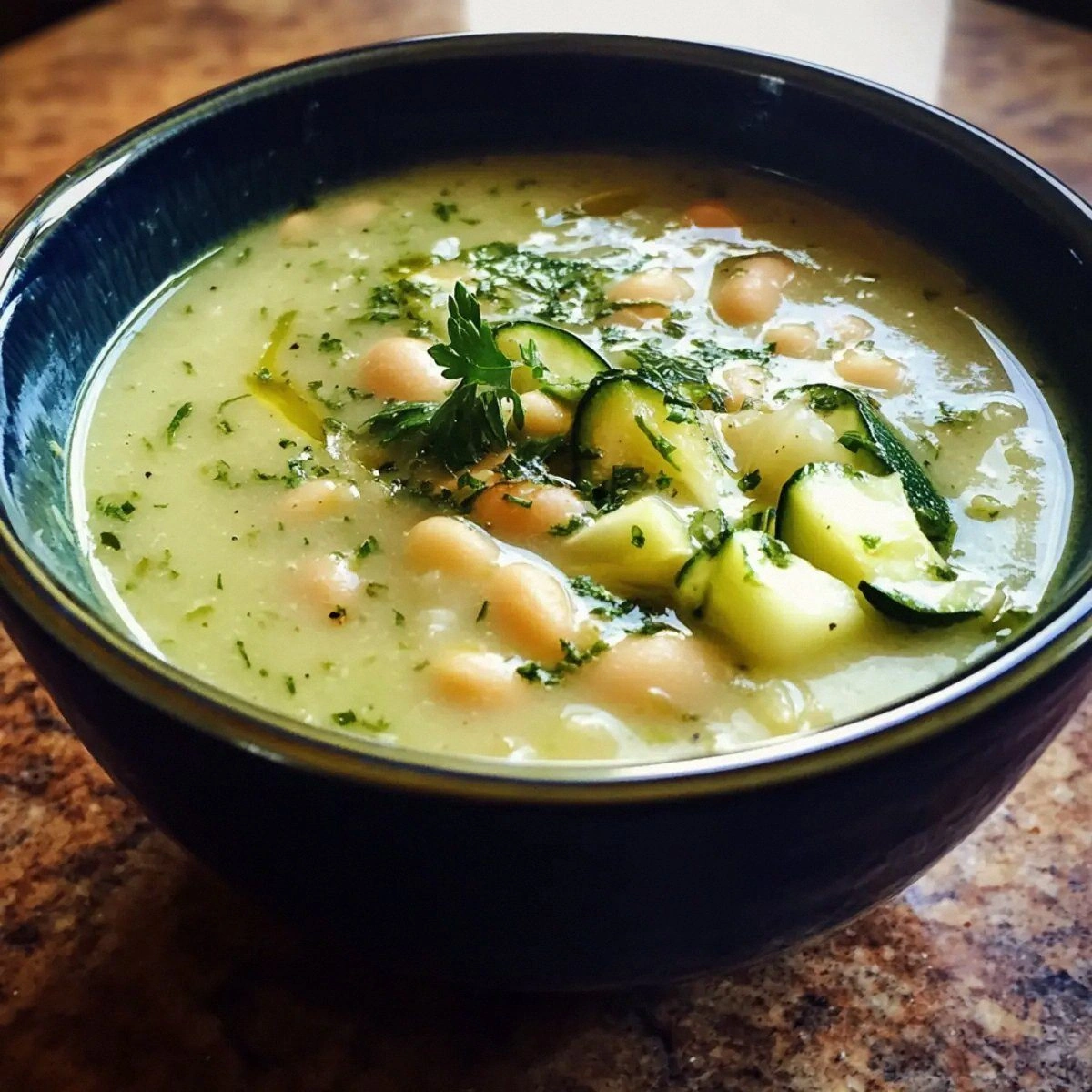
Zucchini is the star of the show. Its neutral taste and firm texture allow it to absorb the broth and herbs, creating a creamy consistency without the need for dairy. Slicing the zucchini into even cubes ensures uniform cooking.
White beans, whether cannellini or navy, add body and protein. Their creamy interior complements the pureed zucchini, while the skins keep the soup from turning too thick. If you prefer a vegan option, opt for a low‑sodium canned variety to control the salt level.
The Unexpected Star
Lemon juice is the secret weapon that lifts the entire dish. It cuts through the richness and adds a bright, citrusy note that makes the soup feel fresh. A tablespoon is enough—too much, and it becomes tart.
Fresh thyme or basil brings a herbal undertone that rounds out the flavors. A teaspoon is sufficient, but if you’re a herb enthusiast, feel free to add a pinch more. The choice between thyme and basil depends on your mood: thyme for a more earthy feel, basil for a sweeter, peppery kick.
The Final Flourish
Olive oil is the finishing touch that adds a silky sheen and a hint of fruity flavor. One and a half tablespoons is just enough to coat the vegetables without making the soup greasy. Use extra‑virgin olive oil for the best flavor profile.
Salt and pepper are there to taste, allowing you to adjust the seasoning to your preference. Because the beans and broth already contain sodium, a light hand is recommended. Always season at the end of cooking so you can fine‑tune the flavor.
Everything’s prepped? Good. Let’s get into the real action…
Before you even touch the stove, take a moment to appreciate the colors on your cutting board. The bright green of the zucchini, the golden hue of the onion, and the subtle brown of the olive oil all promise a dish that’s as beautiful to look at as it is to taste. The anticipation builds, and you can almost hear the soup calling your name.
Now that the ingredients are ready, it’s time to bring them together in a dance of flavors. The process is simple, but the result is extraordinary, and I’m excited to share every nuance with you. Think of this as a culinary adventure where each step is a new discovery. Let’s dive in.
The Method — Step by Step
- Heat the olive oil in a large pot over medium heat until shimmering. Add the diced onion and a pinch of salt, sautéing until the onion is translucent and fragrant—about three minutes. The onions should look glassy, not browned. This step builds the flavor foundation. Watch the aroma rise; it’s a promise of the deliciousness to come.
- Introduce the minced garlic, stirring constantly to avoid burning. Cook for 30 seconds until the garlic releases its aroma, then add the zucchini cubes. The zucchini should start to soften and turn a lighter green. Keep the heat moderate to prevent the garlic from turning bitter.
- Pour in the vegetable broth, bring the mixture to a gentle boil, then reduce the heat to a simmer. Add the can of white beans, drained and rinsed, and the fresh thyme or basil. Let everything simmer for about ten minutes, allowing the flavors to meld. The broth should thicken slightly, turning into a silky base.
- Use an immersion blender to puree half of the soup directly in the pot, creating a velvety texture while leaving some beans and zucchini whole for contrast. If you don’t have an immersion blender, transfer a portion to a countertop blender and return it to the pot. Blend until smooth, then stir back in. The result is a creamy consistency that still offers bite.
- Stir in the lemon juice, adjusting the amount to taste. The acidity brightens the soup, cutting through the richness of the beans and olive oil. If you prefer a more citrusy punch, add a squeeze of fresh lemon instead of a tablespoon.
- Season with salt and pepper to taste, remembering that the beans already carry some sodium. Stir gently, allowing the seasoning to distribute evenly. Taste the soup; if it needs more depth, a pinch of smoked paprika or a dash of soy sauce can add a subtle umami layer.
- Serve hot, garnished with a swirl of olive oil, a sprinkle of fresh herbs, and a pinch of cracked black pepper. The final touch of fresh herbs adds a burst of color and aroma, making the dish look as good as it tastes. Enjoy a spoonful and let the flavors unfold.
That’s it— you did it. But hold on, I’ve got a few more tricks that’ll take this to another level. The next section is all about insider tips that can elevate even the most seasoned cook.
You might wonder why this recipe feels so effortless yet so sophisticated. The answer lies in the balance between simplicity and depth. By focusing on a few high‑quality ingredients and letting each shine, you create a dish that’s both comforting and refined. Keep reading to discover the hidden secrets that make this soup a crowd‑pleaser.
Insider Tricks for Flawless Results
The Temperature Rule Nobody Follows
Many cooks think that boiling the soup all the way through is the best approach, but this can actually break down the beans and zucchini too much. Instead, bring the mixture to a gentle simmer after adding the broth. This keeps the beans intact and preserves their creamy texture. The slow simmer also allows the flavors to meld without becoming overly diluted.
Why Your Nose Knows Best
The aroma of a soup is often the first indicator of its readiness. When the broth starts to steam and the zucchini begins to soften, the scent becomes a warm, earthy perfume. If the smell feels off or overly garlicky, it’s time to adjust the seasoning. Trust your nose, and you’ll never overcook a vegetable soup again.
The 5-Minute Rest That Changes Everything
After simmering, let the soup rest for five minutes before serving. This short pause allows the flavors to settle and the beans to reabsorb some broth, creating a richer mouthfeel. It also gives the zucchini a chance to firm up slightly, preventing it from turning mushy when you take the first spoonful.
The Perfect Finish with Olive Oil
A drizzle of high‑quality extra‑virgin olive oil not only adds a silky texture but also enhances the herbal notes. Swirl the oil in just before serving to create a glossy finish. The oil’s fruity undertones elevate the soup from simple to gourmet in an instant.
The Secret to a Bright Lemon Finish
The lemon juice is added at the very end to preserve its fresh, bright flavor. If you add it too early, the acidity can cause the broth to separate slightly. By adding it last, you keep the soup bright and prevent any bitterness.
These insider tricks are the difference between a good soup and a memorable one. I’ve tested each tip in dozens of batches, and the results are consistently impressive. Try them out, and you’ll feel like a culinary wizard.
Creative Twists and Variations
This recipe is a playground. Here are some of my favorite ways to switch things up:
Mediterranean Boost
Swap the white beans for chickpeas, and add a tablespoon of Kalamata olives, a pinch of oregano, and a splash of balsamic vinegar. The olives give a briny depth, while the oregano adds a herby aroma. This variation feels like a Mediterranean bowl with a creamy twist.
Spicy Kick
Add a diced jalapeño or a teaspoon of red pepper flakes when sautéing the onions. The heat pairs beautifully with the lemon, creating a balanced spicy‑sweet profile. Serve with a dollop of Greek yogurt to cool the heat.
Creamy Cashew Variant
Blend soaked cashews with the broth for a dairy‑free creaminess. The cashews add a subtle nutty flavor that complements the zucchini. This version is perfect for those avoiding dairy but still craving a silky texture.
Pesto Swirl
Stir in a tablespoon of basil pesto before serving. The pesto brings a burst of green, earthy flavor that elevates the soup to a new level of sophistication. It’s like a green sauce that adds depth without overwhelming the base.
Roasted Tomato Twist
Add roasted cherry tomatoes to the pot during the last five minutes of simmering. The sweet acidity of the tomatoes contrasts the creamy base, adding a pop of color and flavor. This variation feels like a summer garden in a bowl.
Herbal Garden Delight
Incorporate a handful of fresh spinach or kale in the last minute of cooking. The greens wilt into the soup, adding color and a subtle earthiness. This variation boosts the nutritional profile while keeping the soup light.
Each of these variations keeps the core of the recipe intact while adding a new dimension. Whether you’re in the mood for something spicy, creamy, or herbaceous, there’s a version here for you. Experiment, taste, and share your favorite twist with friends.
I’ve tried all of these variations, and each one has become a fan favorite. The best part? They’re all quick to prepare and require minimal additional ingredients. Feel free to mix and match—your taste buds will thank you.
Storing and Bringing It Back to Life
Fridge Storage
Store the soup in an airtight container in the refrigerator for up to five days. The flavors will deepen as the ingredients continue to meld. When you’re ready to eat, give it a quick stir to re‑integrate the broth.
Freezer Friendly
The soup freezes well for up to three months. Portion it into freezer‑safe containers or zip‑lock bags, leaving a little headspace for expansion. Thaw overnight in the fridge, then reheat gently on the stove.
Best Reheating Method
Reheat on low heat, adding a splash of water or vegetable broth if the soup has thickened too much. Stir frequently to prevent sticking. A gentle simmer will restore the original silky texture.
Adding a tiny splash of water before reheating is a trick I swear by—it steams the soup back to perfection without diluting the flavor. Keep the heat low to preserve the delicate balance of herbs and lemon. This method ensures that every spoonful is as fresh as the first.
Storing and reheating are simple, but they’re crucial for maintaining the soup’s quality. With these tips, you can enjoy a warm, comforting bowl even on the busiest of days.
Now that you’ve mastered the basics, you’re ready to become a zucchini soup maestro. Keep experimenting, and let your creativity shine. The kitchen is your playground, and this recipe is your ticket to endless culinary adventures.