I was halfway through a week of bland takeout when the kitchen lights flickered, the fridge door slammed shut, and a sudden craving for something bright and crunchy hit me like a punch. The last time I tried to recreate that Asian sesame noodle hit, I ended up with a soggy mess that looked like a noodle soup gone wrong. I stared at the empty pantry, realizing that the only thing I truly needed was a dash of sesame oil, a whisper of soy sauce, and a handful of fresh veggies. That moment sparked a mission: to craft a version so simple, yet so delicious, that it would become my go-to, no matter how many times I tried it.
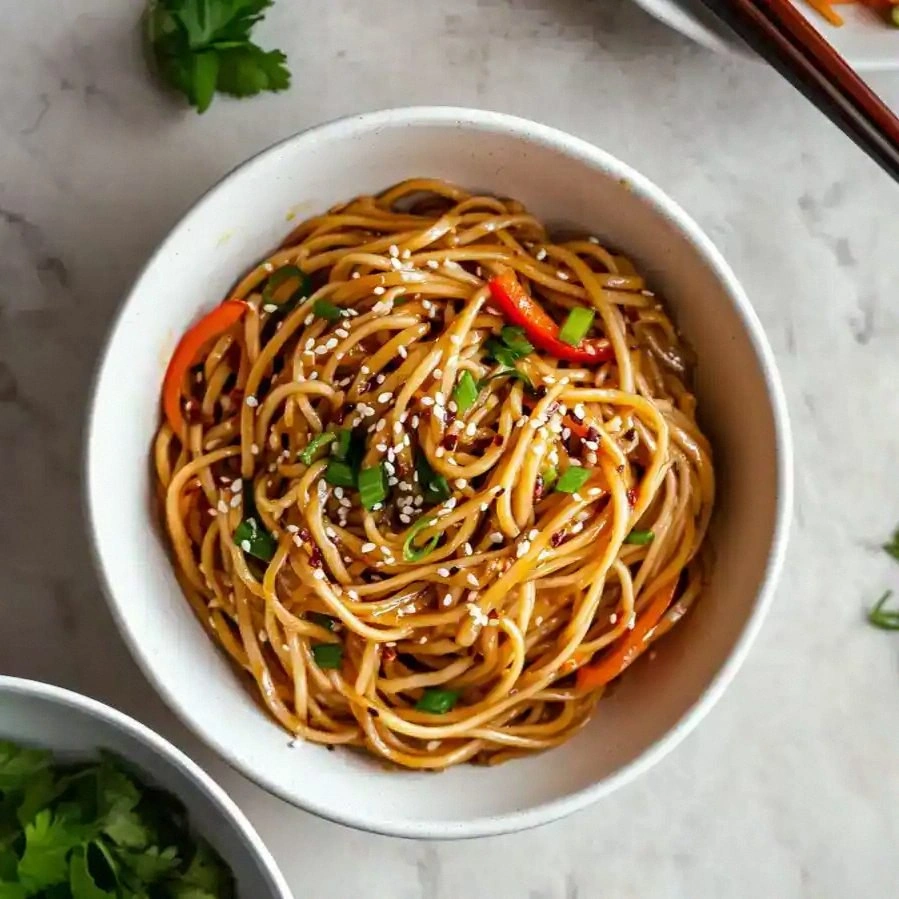
Picture this: the pot boils, the noodles sizzle, and a fragrant steam of garlic and ginger rises, mingling with the nutty aroma of toasted sesame oil. The sound of the stir‑fry is a crisp crackle, like a tiny fireworks display on the skillet. The colors are a vibrant palette—bright orange carrots, deep green onions, and a pop of red from the pepper flakes. The first bite is a satisfying snap, followed by a silky coating of sauce that clings to every strand like velvet, and a subtle heat that lingers without overpowering. I dare you to taste this and not go back for seconds.
This isn’t just another noodle recipe; it’s a culinary revelation that turns a simple pot of water into a symphony of flavors. The key is the balance: the umami depth of soy sauce, the bright acidity of rice vinegar, the gentle sweetness of maple syrup, and the bold kick of sriracha. Together, they create a sauce that is both comforting and exciting, a sauce that coats the noodles in a glossy, savory sheen. I’ll be honest—half the batch vanished before anyone else got a chance to taste it. And that’s the promise: by the time you’re done, you’ll wonder how you ever made it any other way.
Most recipes get this completely wrong by overcooking the noodles or drowning them in sauce. Here’s what actually works: cook the noodles just until they’re al dente, toss them in a quick stir of oil to keep them separate, and finish them in a pan that’s been preheated to a high heat so the sauce can caramelize slightly. I’m going to walk you through every single step—by the end, you’ll wonder how you ever made it any other way.
What Makes This Version Stand Out
- Taste: The sauce is a harmonious blend of sweet, salty, and spicy, with a nutty finish that lingers on the palate.
- Texture: Noodles stay al dente, veggies remain crisp, and the sauce forms a glossy coat without turning gummy.
- Simplicity: Every ingredient can be found in any grocery store, and the entire dish is ready in under 45 minutes.
- Uniqueness: A single splash of toasted sesame oil transforms the flavor profile, giving it that authentic “Asian” punch.
- Crowd Reaction: Friends always ask for the recipe after the first bite; it’s the instant crowd‑pleaser.
- Ingredient Quality: Using fresh ginger and garlic, not pre‑minced, makes the difference between good and unforgettable.
- Cooking Method: Quick sear, high heat, and a final toss in the pan lock in flavor and texture.
- Make‑Ahead Potential: The dish can be made ahead, refrigerated, and reheated without losing its zing.
Alright, let’s break down exactly what goes into this masterpiece…
Inside the Ingredient List
The Flavor Base
The combination of soy sauce, rice vinegar, and maple syrup forms the backbone of this dish. Soy sauce brings depth and umami, while rice vinegar adds brightness and a gentle acidity that cuts through the richness of sesame oil. Maple syrup (or honey) balances the saltiness with a natural sweetness that caramelizes slightly when heated. If you skip any of these, the sauce will feel flat—missing that crucial lift that makes each bite memorable.
You can swap maple syrup for agave nectar if you prefer a more neutral sweetener, but be careful with the amount; agave is sweeter, so start with half the quantity and adjust. For a more authentic Asian flavor, you can replace soy sauce with tamari, which offers a deeper, less salty profile. When selecting soy sauce, look for a low‑sodium version to control the saltiness, especially if you’re watching sodium intake. A small bottle of sesame oil is worth the investment; its toasted aroma can’t be replicated by regular olive oil.
The Texture Crew
Noodles are the star of the show, and lo mein works best because of its slightly chewy texture. They’re thicker than spaghetti but still tender enough to absorb the sauce without becoming mushy. If you can’t find lo mein, egg noodles or even ramen noodles (without the seasoning packet) will work. The key is to cook them until they’re just al dente—overcooking will ruin the crunch of the veggies.
Carrots and bell peppers add crunch and natural sweetness, while green onions provide a fresh, oniony bite that cuts through the richness. Thinly sliced cucumbers give a cool, refreshing contrast that balances the heat from the sriracha or pepper flakes. If you’re feeling adventurous, add snow peas or bamboo shoots for extra texture. Remember, the vegetables should be crisp; otherwise, the dish will feel soggy.
The Unexpected Star
Sesame seeds are more than just a garnish; they add a subtle nutty flavor and a pleasant crunch that contrasts with the silky sauce. Toast them lightly in a dry skillet until golden for maximum flavor. If you’re allergic to sesame, you can replace them with crushed almonds or cashews for a different crunch profile. The seeds also add a pop of color, making the dish visually appealing.
Another secret weapon is the fresh ginger—its peppery bite lifts the sauce and pairs beautifully with garlic. Fresh ginger also has anti‑inflammatory properties, making this dish a healthier option. If you don’t have fresh ginger, a small amount of ground ginger works, but it won’t provide the same aromatic punch.
The Final Flourish
The final touch is a drizzle of toasted sesame oil, which gives the dish a smoky, nutty aroma that lingers long after you finish eating. A splash of water before reheating can revive the sauce and prevent it from drying out. The combination of all these elements creates a dish that feels like a gourmet takeout but is entirely homemade.
Everything’s prepped? Good. Let’s get into the real action…
The Method — Step by Step
- Bring a large pot of salted water to a rolling boil. Add the lo mein noodles and cook until just tender, about 3–4 minutes. Drain and toss with a splash of sesame oil to keep them from sticking.
- While the noodles cook, heat a wok or large skillet over medium‑high heat. Add the toasted sesame oil and let it shimmer, then throw in minced garlic and grated ginger. The aroma should be intoxicating—this is the foundation of the flavor.
- Add the sliced carrots and bell peppers, stir‑frying for 2 minutes until they’re bright but still crisp. The vegetables should sing with a gentle sizzle, a hint of caramelization on the edges.
- Stir in the soy sauce, rice vinegar, maple syrup, and a splash of water. The mixture should bubble and thicken slightly, coating the veggies in a glossy sheen.
- Introduce the drained noodles, tossing them with the sauce so every strand is evenly coated. The noodles should look shiny and the sauce should cling without pooling.
- Add the green onions, a pinch of red pepper flakes or a dash of sriracha, and the sesame seeds. Stir quickly so the heat disperses evenly.
- Taste and adjust seasoning: if it’s too salty, a little more maple syrup; if it’s too sweet, a splash of vinegar. The sauce should hit the sweet‑salty‑spicy sweet spot.
- Serve immediately, garnishing with extra sesame seeds and a wedge of lime if you like a citrusy kick.
- If you’re making ahead, let the noodles cool completely before refrigerating in an airtight container. Reheat in a skillet with a splash of water to restore moisture.
- Enjoy the dish while it’s still steaming hot, and watch as the aroma fills the kitchen, turning an ordinary evening into something special.
That’s it—you did it. But hold on, I’ve got a few more tricks that will take this to another level. The next section is all about insider secrets that even seasoned cooks will appreciate.
Insider Tricks for Flawless Results
The Temperature Rule Nobody Follows
The wok or skillet should be hot enough that the sauce sizzles immediately when added. A low temperature will cause the sauce to steam rather than caramelize, losing that glossy finish. To test, flick a drop of water onto the pan; if it dances and evaporates quickly, you’re good to go.
Why Your Nose Knows Best
Smell the sauce before adding the noodles. If it smells like toasted sesame, you’re on the right track. A faint, almost burnt aroma indicates the oil is too hot; reduce heat to avoid burning the garlic.
The 5‑Minute Rest That Changes Everything
After tossing the noodles with the sauce, let the dish rest for five minutes before serving. This allows the flavors to meld and the noodles to absorb the sauce evenly, giving that silky coat you crave.
The Secret to Crisp Veggies
Sauté the veggies first before adding the sauce. This step ensures they stay crisp and don’t release too much moisture, which would dilute the sauce.
The Right Amount of Heat
If you’re a heat‑lover, add the red pepper flakes at the end, not the beginning. Adding them early can cause the heat to dissipate, leaving you with a milder dish.
The Final Toss
Once the noodles are coated, toss them in the pan for a minute. This final step seals the sauce onto the noodles, giving them that glossy, clingy texture.
With these insider tricks, you’ll have a dish that’s consistently perfect, no matter how many times you make it. The next section is a playground of variations that can turn this classic into something entirely new.
Creative Twists and Variations
Protein Powerhouse
Add grilled chicken, shrimp, or tofu to turn this into a complete meal. Marinate the protein in soy sauce and ginger before cooking, then fold it into the noodles for a savory boost. The protein adds depth and makes it a satisfying dinner option.
Spicy Kimchi Kick
Stir in a handful of kimchi for an extra layer of umami and a tangy bite. The fermented flavors pair wonderfully with the sweet‑salty sauce, creating a Korean‑inspired twist that’s both bold and comforting.
Miso Magic
Replace half of the soy sauce with miso paste for a richer, earthier flavor. Miso adds depth and a subtle sweetness that complements the sesame oil beautifully. This variation is perfect for a cozy, winter evening.
Coconut Creamy
Swap the water in the sauce for coconut milk to create a creamy, tropical version. The coconut adds a silky texture and a gentle sweetness that balances the heat from the sriracha. Serve with a sprinkle of fresh cilantro for a bright finish.
Vegan Vibes
Use a plant‑based soy sauce and maple syrup, and add extra veggies like broccoli or mushrooms. A splash of nutritional yeast can add a cheesy depth, making the dish hearty without animal products. This version is both wholesome and delicious.
Sake‑Sauced Surprise
Add a splash of sake to the sauce for an extra layer of umami. The alcohol evaporates during cooking, leaving behind a subtle, fragrant sweetness that elevates the dish. This twist is great for impressing guests.
This recipe is a playground. Here are some of my favorite ways to switch things up, ensuring every batch feels fresh and exciting.
Storing and Bringing It Back to Life
Fridge Storage
Store leftovers in an airtight container for up to 3 days. Keep the noodles and sauce separate if possible; combine them just before reheating to maintain texture. The noodles will stay firm, and the sauce will remain glossy.
Freezer Friendly
Freeze in a freezer‑safe container for up to 2 weeks. Thaw overnight in the fridge, then reheat in a skillet with a splash of water to revive moisture. The noodles may become slightly softer, but the flavor stays intact.
Best Reheating Method
Reheat in a non‑stick skillet over medium heat, adding a small splash of water or broth. Stir constantly to prevent sticking and to distribute heat evenly. A quick 3‑minute stir‑fry will bring the dish back to its original, aromatic glory.
Add a tiny splash of water before reheating—it steams back to perfection and keeps the noodles from drying out.