I’ll be honest — I ate half the batch before anyone else got to try it. It all started on a rainy Tuesday when my oven decided to throw a temper tantrum and my pantry was screaming for a hero. I was craving something that felt like a hug from the inside, but also wanted a little sparkle of sweet honey that could turn a bland afternoon into a celebration. The kitchen was a battlefield of mismatched bowls, a lone sweet potato that had been waiting in the fridge for days, and a jar of honey that seemed to glow like liquid gold. I tossed a dare at myself: “Make a cornbread that could convince even the most stubborn cereal‑eater to switch sides.”
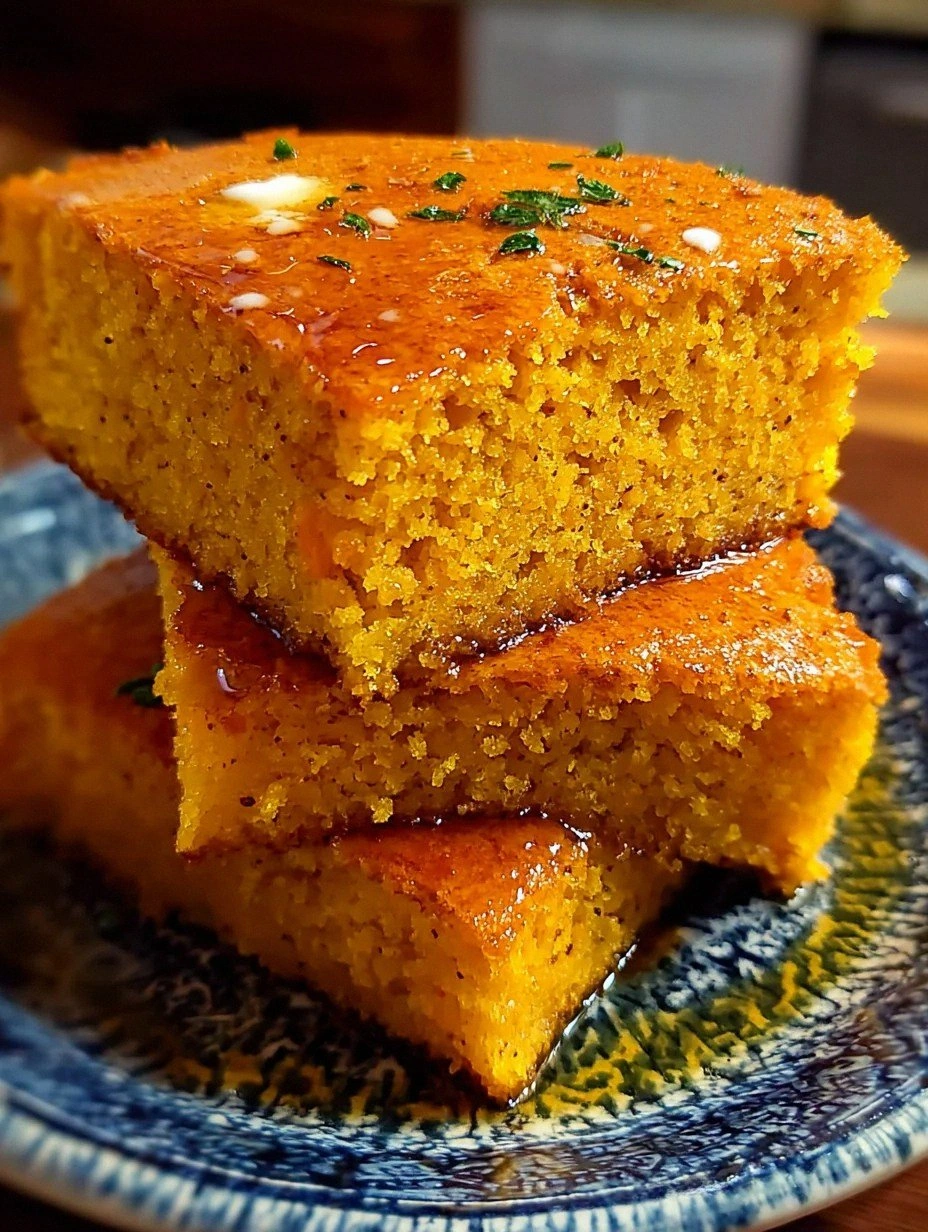
Picture this: the oven door swings open, a wave of buttery, caramel‑sweet aroma floods the room, and the golden crust cracks just enough to reveal a tender, moist interior that’s speckled with the orange blush of sweet potato. The honey‑butter glaze on top shimmers like sunrise on a dewy field, and the first bite? It’s a perfect marriage of sweet, salty, and that comforting grainy bite that only true cornmeal can deliver. You hear the faint crackle as the crust pulls away from the pan, and you feel the warm, buttery softness melt on your tongue. It’s the kind of sensory overload that makes you whisper, “I dare you to taste this and not go back for seconds.”
Most cornbread recipes either drown in sugar or stay stubbornly bland, and that’s the exact problem I set out to fix. I wanted a version that respected the classic cornmeal texture while inviting sweet potato to the party, and then crowned it all with a honey‑butter topping that’s as addictive as a good Netflix binge. The secret? A careful balance of leavening, a pinch of salt that makes the sweetness sing, and a technique that ensures the batter stays silky smooth without turning into a dense brick. This isn’t just a side dish; it’s the star of the table, the conversation starter, the reason guests will linger longer at your brunch.
But here’s the kicker: the method I’m about to share includes a tiny trick involving a hot skillet that most recipes completely overlook. It gives the bottom of the cornbread an extra‑crunchy edge that shatters like thin ice when you dig in, while the middle stays pillowy. Okay, ready for the game‑changer? Let me walk you through every single step — by the end, you’ll wonder how you ever made it any other way.
What Makes This Version Stand Out
- Flavor Fusion: Sweet potato brings natural caramel notes that dance with honey, while the cornmeal anchors the dish with earthy depth.
- Texture Triumph: A crisp, honey‑glazed crust gives way to a moist, tender crumb that’s airy yet substantial.
- Simplicity: Fewer than fifteen ingredients, most of which you probably already have, means you won’t need a grocery run at midnight.
- Unique Twist: The honey‑butter topping isn’t an afterthought; it’s integrated into the bake, creating a caramelized sheen that’s impossible to ignore.
- Crowd‑Pleaser: Even the kids can’t resist the sweet aroma, and the adults appreciate the subtle complexity.
- Make‑Ahead Magic: This cornbread keeps its moisture for days, so you can bake it ahead of a big gathering and reheat with a splash of water.
- Ingredient Quality: Using fresh, roasted sweet potato and high‑quality honey elevates the entire profile without extra effort.
- Cooking Method: A hot skillet start creates a caramelized base that most oven‑only recipes miss, delivering that satisfying crunch.
Inside the Ingredient List
The Flavor Base
Mashed Sweet Potato is the heart‑beat of this cornbread. Its natural sugars caramelize during baking, giving you that deep, almost nutty sweetness without a single spoonful of refined sugar. If you skip it, you lose the moisture and the subtle orange hue that makes the loaf instantly recognizable. Roast the sweet potato for extra flavor, or microwave if you’re in a hurry — the result is the same silky texture that blends effortlessly with the batter.
Honey isn’t just a sweetener; it’s a flavor enhancer that adds floral notes and helps the crust achieve a glossy, caramelized finish. A light drizzle on top before baking creates a thin glaze that turns into a buttery sheen. If you prefer a less sweet version, reduce the honey by a tablespoon, but don’t skimp on the butter—it’s what gives the crust its golden crunch.
The Texture Crew
Yellow Cornmeal provides that classic, slightly gritty bite that makes cornbread feel hearty. Choose a fine or medium grind; too coarse and the crumb will feel like sand, too fine and you’ll lose the signature bite. All‑Purpose Flour balances the structure, ensuring the loaf rises evenly. If you’re gluten‑free, a 1‑to‑1 swap with a blend works, but be sure it contains a bit of starch to keep the crumb tender.
Baking Powder and Baking Soda are the leavening duo that lifts the batter into a fluffy cloud. The soda neutralizes the acidity from the sweet potato and honey, while the powder adds extra rise. Too much soda can give a metallic aftertaste, so stick to the measured amounts.
The Sweet & Salty Balance
Granulated Sugar adds a subtle sweetness that complements the honey without overpowering it. Coconut sugar is a great alternative if you want a caramel undertone. Fine Sea Salt is the unsung hero; a pinch amplifies every flavor, turning the sweet notes into a more rounded profile. Without it, the cornbread would taste flat, like a song missing its bass line.
Unsalted Butter brings richness and helps create that melt‑in‑your‑mouth crumb. When melted into the batter, it coats the flour particles, slowing gluten formation and resulting in a tender texture. For a dairy‑free version, use a high‑quality vegan butter that melts similarly.
The Final Flourish
Large Eggs act as the binding agent, trapping air bubbles created by the leaveners and giving the loaf its structure. Room‑temperature eggs blend more easily, preventing a lumpy batter. Whole Milk adds creaminess and helps dissolve the sugar, while also contributing to the Maillard reaction that browns the crust. If you need a dairy‑free alternative, oat or almond milk works beautifully.
The Honey Butter Topping is a simple mixture of softened butter, honey, and a pinch of salt. It’s brushed on after the first ten minutes of baking, allowing the butter to melt into the crust and the honey to caramelize. The result is a glossy, slightly crisp top that makes each slice look like a work of art.
Everything's prepped? Good. Let’s get into the real action…
The Method — Step by Step
- Preheat and Prep the Pan. Set your oven to 375°F (190°C) and place a 9‑inch cast‑iron skillet on the middle rack to heat up. While the oven warms, grease the skillet with a tablespoon of butter and set aside. The hot skillet will give the bottom of the cornbread an instant sizzle that turns into a golden crust—That sizzle when it hits the pan? Absolute perfection.
- Roast or Microwave the Sweet Potato. Pierce a medium sweet potato with a fork and roast at 400°F for 45 minutes, or microwave on high for 6‑8 minutes until fork‑tender. Let it cool just enough to handle, then scoop out the flesh and mash until smooth. The key is to keep it slightly chunky—this texture helps trap air bubbles later.
- Combine Dry Ingredients. In a large bowl whisk together the cornmeal, flour, sugar, baking powder, baking soda, and sea salt. Whisking ensures an even distribution of leaveners, preventing pockets of bitterness. This step also aerates the mixture, which contributes to a lighter crumb.
- Mix Wet Ingredients Separately. In another bowl, beat the eggs, then whisk in the milk, melted butter, honey, and mashed sweet potato. The mixture should be glossy and slightly thick. If you notice lumps, use a hand mixer for a few seconds—just enough to smooth it out without over‑working.
- Combine Wet and Dry. Make a well in the center of the dry ingredients and pour the wet mixture in. Gently fold with a spatula until just incorporated; a few streaks of flour are okay. The batter should be thick but pourable—think of a pancake batter that’s been given a little extra love.
- Pour into the Hot Skillet. Carefully pour the batter into the preheated skillet, spreading it evenly with the spatula. You’ll hear that immediate sizzle as the batter meets the hot metal, forming a thin crust that locks in steam. This is the moment of truth; the bottom will start to set within the first two minutes.
- Apply the Honey Butter Topping. In a small bowl, blend softened butter with honey and a pinch of salt until smooth. Drop spoonfuls over the batter, then use the back of a spoon to swirl it gently. The butter will melt, creating pockets of caramel that will rise to the surface as the loaf bakes.
- Bake Until Golden. Transfer the skillet to the oven and bake for 25‑30 minutes, or until a toothpick inserted into the center comes out clean and the top is a deep amber. Around the 15‑minute mark, the edges will pull away from the pan, and you’ll see the honey butter bubbling and caramelizing. This is where the magic happens—don’t open the oven door early, or the steam will deflate the rise.
- Cool, Slice, and Serve. Remove the skillet from the oven and let the cornbread rest for ten minutes. This short rest lets the interior finish setting while the crust stays crisp. Slice with a warm knife for clean cuts, and serve warm with an extra drizzle of honey if you’re feeling indulgent. That first bite? It’s a symphony of sweet, salty, and buttery notes that will have you reaching for seconds.
Insider Tricks for Flawless Results
The Temperature Rule Nobody Follows
Never bake cornbread at a temperature lower than 350°F. Higher heat creates a rapid rise and a caramelized crust, while a low oven leaves the crumb dense. I once tried a “gentle bake” at 325°F hoping for a softer texture; the result was a gummy disaster that stuck to the pan. Keep the oven at 375°F and trust the heat to do the work.
Why Your Nose Knows Best
The moment you smell the honey‑butter caramelizing, you know the loaf is almost ready. Trust that aromatic cue more than the clock. If the kitchen fills with a sweet, toasted scent and the edges are pulling away, it’s time to pull it out. Over‑baking turns the interior dry, so let your nose be the timer.
The 5‑Minute Rest That Changes Everything
Letting the cornbread rest for five to ten minutes after it leaves the oven allows the steam to redistribute, preventing a gummy center. I used to cut it immediately and was always disappointed by the crumb. This short pause makes each slice fluffy and ensures the honey butter has time to set into a glossy glaze.
Butter‑First, Then Honey
When making the topping, melt the butter first, then stir in the honey. Adding honey to cold butter creates a grainy texture that never fully integrates. Warm butter emulsifies the honey, giving you a smooth, glossy finish that coats the crust perfectly.
Use a Cast‑Iron Skillet for the Ultimate Crunch
The heavy bottom of cast iron holds heat like a champion, creating a bottom crust that’s crisp without being burnt. A friend once tried a glass dish and ended up with a soggy base. The skillet’s rapid heat transfer is the secret to that satisfying crunch that shatters like thin ice.
Creative Twists and Variations
This recipe is a playground. Here are some of my favorite ways to switch things up:
Blueberry Burst
Fold in ¾ cup of fresh blueberries just before baking. The berries burst during baking, leaving pockets of juicy sweetness that complement the honey butter perfectly.
Spicy Jalapeño Kick
Add one finely diced jalapeño (seeds removed) to the batter for a subtle heat that balances the sweetness. Top with a drizzle of chipotle honey for a smoky finish.
Nutty Crunch
Stir in ½ cup of toasted pecans or walnuts for added texture. The nuts add a buttery crunch that pairs beautifully with the sweet potato’s softness.
Maple‑Brown Sugar Swap
Replace honey with pure maple syrup and swap granulated sugar for brown sugar. This creates a deeper, caramel‑like flavor that’s perfect for autumn gatherings.
Vegan Version
Swap the eggs for flax “eggs” (2 tbsp ground flax + 6 tbsp water) and use oat milk instead of whole milk. Use vegan butter in the topping, and you have a completely plant‑based masterpiece.
Storing and Bringing It Back to Life
Fridge Storage
Allow the cornbread to cool completely, then wrap it tightly in plastic wrap or store in an airtight container. It will stay fresh for up to four days. Before serving, reheat a slice in the microwave for 20‑30 seconds, then finish under a broiler for a minute to revive the crust.
Freezer Friendly
Slice the loaf before freezing and place the slices in a zip‑top freezer bag, separating layers with parchment paper. Freeze for up to three months. To reheat, microwave a slice for 40 seconds, then place it in a preheated 350°F oven for five minutes to bring back that golden crunch.
Best Reheating Method
Add a tiny splash of water (about a teaspoon) to the surface before reheating in a covered skillet over low heat. The steam revives the interior moisture while the skillet restores the crispy edges. This trick saves the loaf from becoming dry and ensures each bite feels freshly baked.