Picture this: you’re standing in a cramped kitchen, the oven preheating, and you’ve just realized you’re out of that fancy sauce you used to pour over chicken last week. You’re staring at a handful of chicken breasts, a bottle of balsamic vinegar, and a jar of honey that’s been sitting in the pantry for months. You’re tempted to just toss the chicken in a bag of pre‑made marinades, but that’s not how I roll. I’m the kind of cook who says, “Why settle for mediocre when you can create something that sings?”
I remember the first time I tried to make a sheet pan dish that truly wowed everyone. The oven was hot, the vegetables were scattered like confetti, and the chicken was a sad, pale thing in the middle. The aroma that filled the kitchen was… nothing. That night, I went back to the store, bought fresh balsamic vinegar, honey, and a handful of herbs, and the rest is history. The result was a sheet pan chicken that was juicy on the inside, caramelized on the outside, and packed with a sauce that clung to everything like velvet.
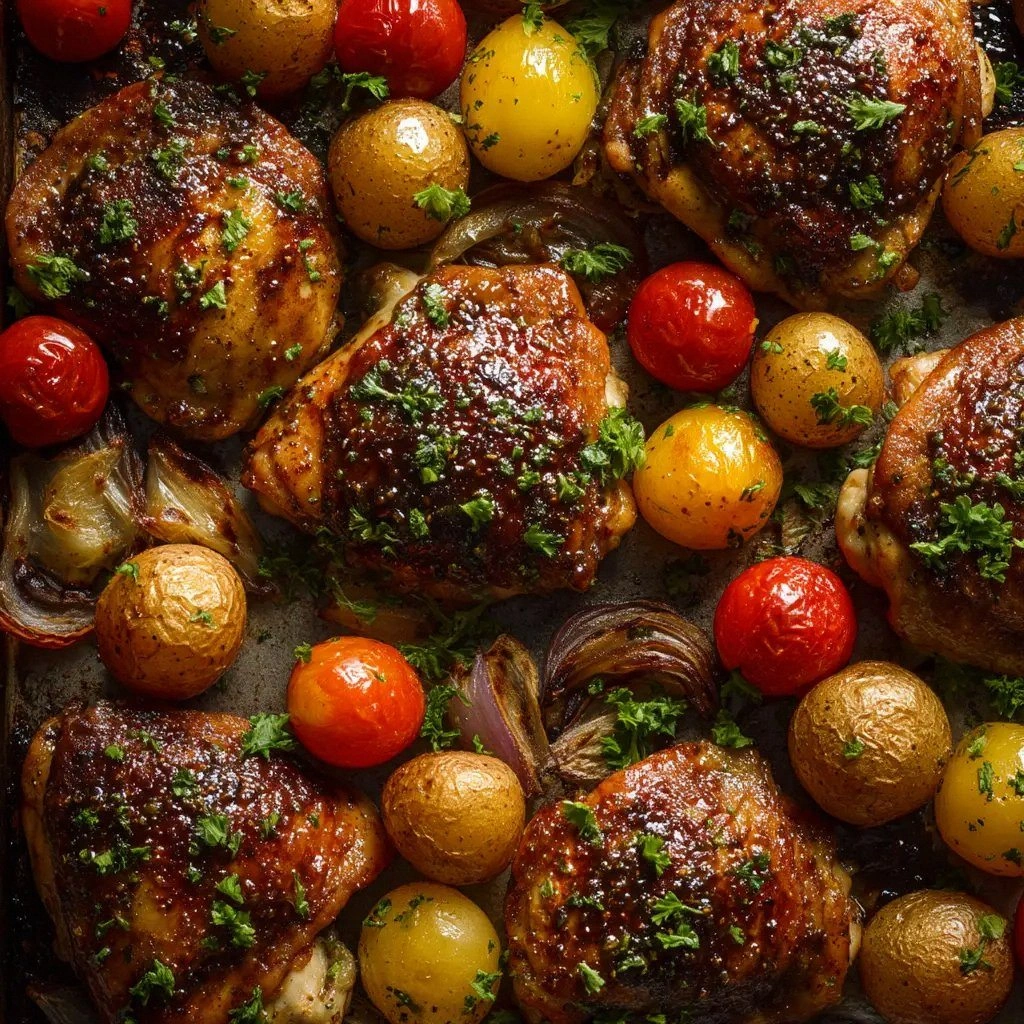
Fast forward to today, and this recipe is the culmination of countless experiments, taste tests, and a few kitchen catastrophes that taught me the hard way that technique matters. I’ve taken the classic sheet pan chicken and elevated it with a bold, tangy balsamic glaze that’s sweet without being cloying. The vegetables aren’t just side‑dishes; they’re an integral part of the flavor orchestra, each bringing its own bite and color to the plate.
What sets this version apart from the countless “sheet pan” recipes you’ll find online is the attention to detail—every splash of vinegar, every dash of honey, and the precise timing that brings out the best in both the chicken and the veggies. I dare you to taste this and not go back for seconds. Trust me, once you’ve had a bite, the idea of a bland, over‑cooked chicken will feel like a distant memory.
I’ll be honest—my kitchen was a battlefield that night, with sauce splattering everywhere. The chicken was nearly dry before I realized I’d forgotten to let it rest. But that mishap taught me a valuable lesson: let the chicken rest for at least five minutes after baking, and the juices redistribute, keeping it moist and flavorful.
If you’ve ever struggled with sheet pan dinners that come out soggy or under‑seasoned, you’re not alone. I’ve seen the same disappointment in many kitchens. That’s why I’ve refined this recipe to ensure each bite is packed with flavor, texture, and that unmistakable “wow” factor. Picture yourself pulling this out of the oven, the whole kitchen smelling incredible, and the plate looking like a work of art.
What Makes This Version Stand Out
- Taste: The balance of sweet honey and sharp balsamic vinegar creates a glaze that coats the chicken like velvet, while the garlic and Italian herbs add depth without overpowering.
- Texture: The chicken is crisp on the edges, yet tender inside, and the veggies develop a caramelized finish that adds a satisfying crunch.
- Simplicity: No fancy equipment, just a sheet pan and a few pantry staples—perfect for busy weeknights.
- Uniqueness: The combination of balsamic glaze with a touch of Dijon mustard gives a subtle tang that sets this dish apart from standard marinades.
- Crowd Reaction: Friends rave about the caramelized edges and the sauce that sticks to everything. It’s a conversation starter at dinner tables.
- Ingredient Quality: Using fresh, high‑quality ingredients—especially the balsamic vinegar—transforms the dish from ordinary to extraordinary.
- Cooking Method: The sheet‑pan approach allows the chicken and vegetables to cook in their own juices, enhancing flavor and saving time.
- Make‑Ahead Potential: The glaze can be prepared ahead of time and reheated without losing its glossy finish.
Inside the Ingredient List
The Flavor Base
Balsamic vinegar is the star of the show. Its deep, slightly sweet acidity cuts through the richness of the chicken and caramelizes into a glossy glaze. If you’re using a low‑acid vinegar, the glaze will be less pronounced, so I recommend a 10‑year‑aged balsamic for the best depth.
Honey or maple syrup adds natural sweetness that balances the vinegar’s tang. The honey’s floral notes complement the Italian herbs, while maple gives a subtle earthy undertone. If you’re looking for a vegan option, maple syrup or agave nectar works beautifully.
Dijon mustard provides a subtle piquancy that keeps the glaze from feeling flat. It also helps the glaze cling to the chicken, creating those coveted caramelized edges. A light hand is key; too much mustard can overpower the other flavors.
Olive oil is the medium that carries the glaze, helping it spread evenly across the chicken and veggies. Extra‑virgin olive oil gives a peppery finish, but a light‑flavored oil won’t compete with the other ingredients.
Garlic is the backbone of the dish’s aroma. Fresh cloves, minced finely, release a punchy, savory note that lingers in the sauce. If you’re not a garlic fan, you can reduce the amount, but the dish will lose a layer of complexity.
Dried Italian herbs bring a warm, earthy tone that grounds the bright acidity of the vinegar. A pinch of oregano, basil, and thyme works well, but you can tailor the blend to your taste.
Salt and pepper are the subtle seasoning that tie everything together. They enhance the natural flavors of the chicken and veggies without making the dish taste “salty.” I recommend using sea salt for its clean finish.
The Texture Crew
Broccoli is chosen for its sturdy stems and tender florets, which hold up well against the high heat. The florets develop a slight crunch when caramelized, adding a pleasant contrast to the juicy chicken.
Red bell pepper adds a sweet, smoky flavor that pairs beautifully with the balsamic glaze. Its bright color also makes the dish visually stunning.
Red onion brings a sharp bite that mellows during baking, offering a subtle sweetness that balances the tanginess of the glaze.
Cherry tomatoes burst into sweet, juicy pockets when roasted, providing a burst of flavor that cuts through the richness of the chicken.
The vegetables are arranged in a single layer on the sheet pan, ensuring even cooking and caramelization. A single layer also allows the glaze to coat each piece evenly, preventing any one area from being under‑seasoned.
If you prefer a different vegetable, zucchini or asparagus can replace broccoli, but they will cook faster and may become mushy if left too long.
Remember to cut the vegetables into uniform pieces so they roast at the same rate, preventing uneven caramelization.
The Unexpected Star
Honey or maple syrup is often overlooked in savory dishes, but it adds a layer of complexity that elevates the entire meal. Its natural sugars caramelize, giving the glaze a glossy sheen and a slightly crunchy finish.
Using honey also brings subtle floral notes that contrast the sharpness of the vinegar. If you’re looking for a different flavor profile, try a splash of apple cider vinegar for a fruitier tang.
The glaze’s dual nature—sweet and acidic—creates a dynamic flavor that keeps the palate engaged from the first bite to the last.
The sweetness of honey also helps the glaze thicken as it reduces in the oven, giving a silky coating that clings to the chicken and veggies.
If you’re allergic to honey, a vegan substitute like agave syrup works well, though it has a slightly different flavor profile.
The Final Flourish
A final drizzle of olive oil after baking brightens the dish and adds a subtle sheen to the glaze. It also helps keep the chicken from drying out.
A sprinkle of fresh herbs—like parsley or basil—just before serving adds a pop of color and freshness that cuts through the richness.
A squeeze of fresh lemon juice right before serving can brighten the entire dish, adding a fresh zing that complements the balsamic’s depth.
If you’re serving the dish with a side of pasta or rice, a splash of the remaining glaze can turn a simple grain into a flavorful accompaniment.
Everything's prepped? Good. Let's get into the real action...
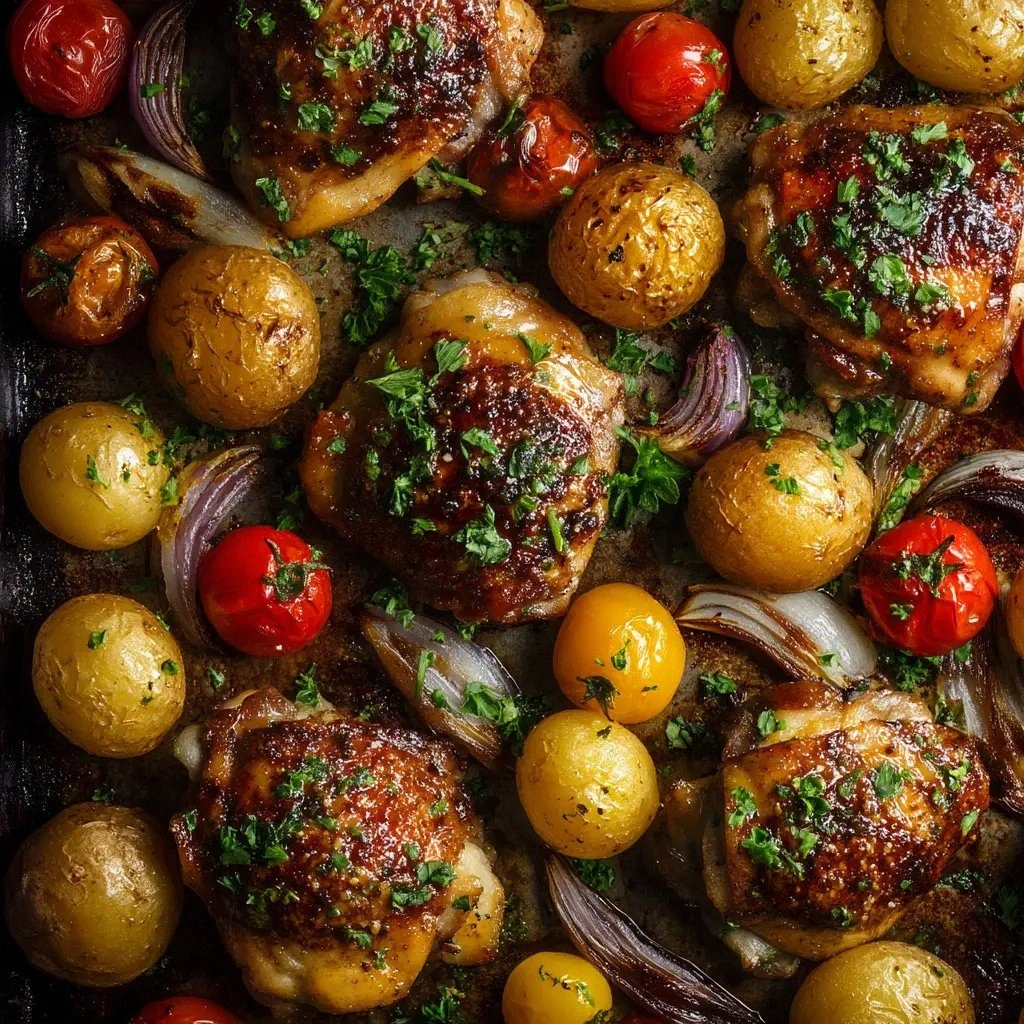
The Method — Step by Step
- Preheat your oven to 425°F (220°C). The high heat is crucial for caramelizing the glaze and crisping the chicken’s edges. Set a timer for 30 minutes, but keep an eye on the dish as it cooks.
- While the oven warms, prepare the glaze. In a small bowl, whisk together the balsamic vinegar, honey (or maple syrup), Dijon mustard, minced garlic, dried Italian herbs, salt, and black pepper. The mixture should be smooth and slightly thick.
- Pat the chicken breasts dry with paper towels. This step is vital; moisture on the surface will steam the chicken instead of searing it, leading to a soggy exterior.
- Brush each chicken breast generously with the glaze, ensuring every nook is coated. The glaze will form a caramelized crust as the chicken bakes.
- Arrange the chicken breasts in the center of a large sheet pan. Leave enough space around them for the vegetables to spread out and roast evenly.
- Cut the broccoli, bell pepper, red onion, and cherry tomatoes into uniform pieces. Toss them in a little olive oil and the remaining glaze, then scatter them around the chicken on the pan.
- Place the sheet pan in the oven and bake for 25 minutes. At this point, the chicken should be starting to turn golden, and the vegetables should begin to brown.
- After 25 minutes, remove the pan and carefully flip the chicken breasts to the other side. This ensures even cooking and helps the glaze thicken on both sides.
- Return the pan to the oven for another 5–7 minutes, or until the chicken reaches an internal temperature of 165°F (74°C) and the glaze has caramelized to a deep amber.
- Remove the pan from the oven and let the chicken rest on a wire rack for 5 minutes. This step allows the juices to redistribute, keeping the meat moist and tender.
- While the chicken rests, transfer the roasted vegetables to a serving dish. Drizzle any remaining glaze from the pan over the veggies, giving them a glossy finish.
- Slice the chicken into strips or serve whole, depending on your preference. Garnish with fresh herbs or a squeeze of lemon if desired.
- Serve immediately, letting the warm, caramelized glaze mingle with the crisp veggies. The dish pairs wonderfully with a light salad or crusty bread to soak up the extra sauce.
That’s it — you did it. But hold on, I've got a few more tricks that'll take this to another level. These insider tips will ensure your dish is not just good, but unforgettable.
Insider Tricks for Flawless Results
The Temperature Rule Nobody Follows
Many cooks set the oven to 400°F, but 425°F is the sweet spot for caramelization. The higher heat speeds up the Maillard reaction, giving the glaze that deep, almost burnt flavor that’s surprisingly sweet. If your oven runs hot, lower the temperature by 10–15°F to avoid burning.
Why Your Nose Knows Best
Trust your nose during baking. When the glaze starts to bubble and emit a nutty, caramel scent, it’s a sign you’re close to perfection. If the smell is sour, you need more time; if it’s sweet, the glaze might be over‑cooked.
The 5‑Minute Rest That Changes Everything
Resting the chicken after baking lets the juices redistribute, preventing a dry center. During this time, the glaze thickens slightly, making it easier to coat the chicken and veggies evenly when you plate the dish.
Use a Wire Rack for Even Cooking
Placing the chicken on a wire rack elevates it off the pan, allowing hot air to circulate and crisp the skin. It also prevents the chicken from sitting in its own juices, which can lead to soggy edges.
Add a Splash of Water Before Reheating
When reheating leftovers, add a tablespoon of water to the pan before microwaving. This steams the dish, restoring moisture and preventing the glaze from drying out.
Finish with Fresh Herbs
A sprinkle of fresh parsley or basil right before serving brightens the dish and adds a pop of color. The herbs also bring a fresh, green note that balances the sweetness of the glaze.
Creative Twists and Variations
This recipe is a playground. Here are some of my favorite ways to switch things up:
Smoky Chipotle Twist
Add a teaspoon of chipotle powder to the glaze for a smoky kick. The heat pairs nicely with the sweet glaze, creating a complex flavor profile that’s perfect for chili‑lover guests.
Mediterranean Flair
Replace the red bell pepper with roasted eggplant and swap the broccoli for spinach. Drizzle the finished dish with a splash of olive oil and a squeeze of lemon for a bright, Mediterranean vibe.
Pesto Power
Stir in a tablespoon of basil pesto into the glaze before baking. The pesto adds a fresh, herby depth that complements the balsamic’s tang.
Thai‑Inspired Sweet Chili
Swap the honey for a tablespoon of sweet chili sauce and add a pinch of crushed red pepper. The result is a sweet, spicy glaze that works wonders with a side of jasmine rice.
Cheesy Finish
Sprinkle grated Parmesan or crumbled feta over the chicken during the last 5 minutes of baking. The cheese melts into the glaze, creating a savory, creamy layer that enhances the dish’s richness.
Low‑Carb Version
Omit the cherry tomatoes and add zucchini slices instead. The zucchini will absorb the glaze and add a subtle sweetness, keeping the dish low in carbs without sacrificing flavor.
Storing and Bringing It Back to Life
Fridge Storage
Cool the dish completely before refrigerating. Store the chicken and vegetables separately in airtight containers. The glaze will thicken in the fridge, so reheat with a splash of water to restore its glossy texture.
Freezer Friendly
Wrap the chicken and vegetables tightly in foil or freezer bags. Freeze for up to 3 months. When ready to eat, thaw overnight in the fridge and reheat in a 350°F oven for 15 minutes.
Best Reheating Method
Reheat in a skillet over medium heat, adding a tablespoon of water or broth. Stir occasionally until the glaze is hot and the chicken reaches 165°F. The added liquid prevents the dish from drying out.