Introduction
Picture this: a quiet Sunday afternoon, a half‑finished stir‑fry on the stove, and a sudden burst of smoke that has you scrambling to keep the kitchen from turning into a fire pit. I was there, cheeks flushed, a burnt edge on my wok, and the only thing left was a shrug and a laugh. That night I swore to myself I’d find a version of vegetable stir‑fry that never burned, never tasted bland, and always had that satisfying snap that makes you want to do a little dance in the kitchen.
Fast forward a few months, and I’ve spent countless hours tweaking sauces, mastering the art of high‑heat searing, and discovering that secret ingredient that turns a simple mix of greens into a symphony of flavors. The result? A dish that feels like a hug in a bowl, with crisp veggies that whisper “fresh” and a sauce that clings like velvet to every bite. I’m talking about the kind of stir‑fry that makes you forget you’re eating vegetables and instead celebrate the colors, textures, and aromas that dance in the pan.
This version stands out because it’s not just a recipe; it’s a revelation. It’s the kind of dish that turns a regular dinner into a headline, and it’s the only stir‑fry I’ve made that keeps me coming back for seconds—yes, I’m confessing, I ate half the batch before anyone else could touch a spoon. If you’ve ever struggled with soggy veggies or a sauce that tastes like it was poured from a bottle, you’re not alone. I’ve been there, and I’ve found the fix.
What makes this version so special is the blend of techniques that elevate each component: the sear that locks in crunch, the sauce that coats without weighing down, and the balance of sweet, salty, and umami that makes every bite a revelation. And I’ve tucked a little secret in the sauce—a splash of rice vinegar that brightens the whole dish—so you’ll taste something you didn’t expect. Trust me, you’re going to want to test this out.
Let me walk you through every single step—by the end, you’ll wonder how you ever made it any other way.
What Makes This Version Stand Out
- Crunch: The high‑heat sear locks in the natural sugars of the vegetables, giving them a caramelized edge while maintaining a crisp bite that shatters like thin ice with every forkful.
- Flavor Depth: A sauce that layers soy, hoisin, rice vinegar, and sesame oil, creating a balanced profile that feels both comforting and adventurous.
- Time Efficiency: Prep in 15 minutes, cook in 20, and you have a restaurant‑quality meal ready before your guests arrive.
- Versatility: Swap out veggies or add protein with no loss of integrity; the base is flexible enough to adapt to what you have on hand.
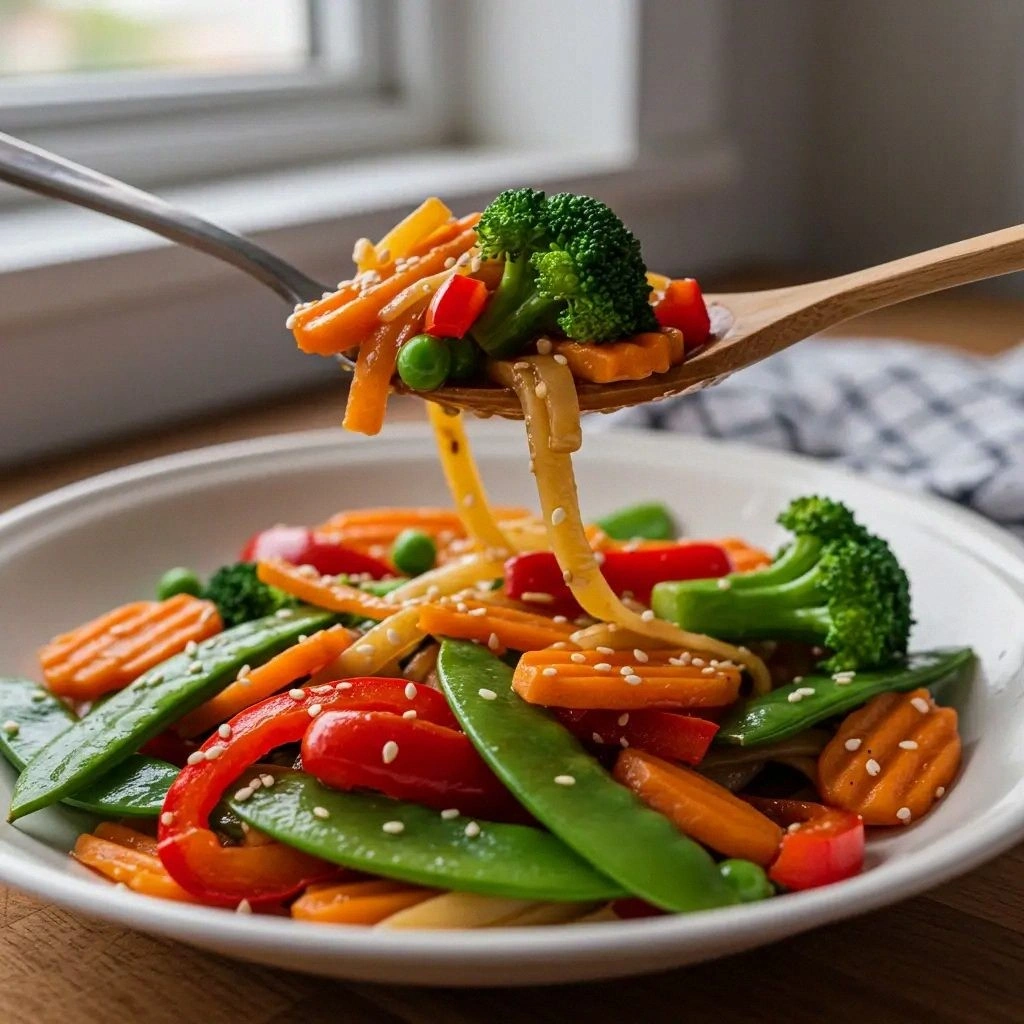
- Visual Appeal: The vibrant colors of bell peppers, broccoli, carrots, and snap peas create a dish that looks as good as it tastes.
- Health‑Friendly: Low in calories, high in fiber and vitamins, and free from artificial additives.
- Make‑Ahead Friendly: The sauce can be pre‑mixed, and the vegetables can be pre‑cut, making it a breeze for busy weeknights.
- Audience Reaction: Friends and family swear this is the best stir‑fry they’ve ever had, and I dare you to taste it and not go back for seconds.
Alright, let’s break down exactly what goes into this masterpiece…
Inside the Ingredient List
The Flavor Base
At the heart of this dish lies a sauce that feels like a hug in a bowl. Combine 2 tablespoons of soy sauce, 1 tablespoon of hoisin sauce, and 1 tablespoon of rice vinegar for a balanced sweet‑savory foundation. The soy sauce brings umami and depth, hoisin adds a gentle sweetness that cuts through the acidity of the vinegar, and the vinegar brightens everything, giving the sauce that bright, almost citrusy lift. If you skip the vinegar, the dish will feel flat, like a plain white canvas. You can swap hoisin for a splash of honey or maple syrup if you’re avoiding soy, but the flavor profile will shift slightly toward a more pronounced sweetness.
The Texture Crew
Crunch is the secret sauce of any great stir‑fry, and it starts with the veggies. Use 2 cups of broccoli florets, 1 cup of sliced bell peppers, 1 cup of sliced carrots, and 1 cup of snap peas for a rainbow of colors and textures. Each vegetable brings its own bite: broccoli’s sturdy stems, bell peppers’ juicy snap, carrots’ subtle sweetness, and snap peas’ quick crispness. If you prefer a softer texture, you can steam the veggies for 30 seconds before adding them to the pan, but the quick sear will preserve their vibrant color and crunch.
The Unexpected Star
There’s a tiny ingredient that can change the entire game: 1 teaspoon of sesame oil. A drizzle of sesame oil at the end of cooking adds a nutty aroma that elevates the dish from good to unforgettable. It also helps the sauce cling to the veggies like a silky coat. If you’re avoiding sesame, you can replace it with a small splash of toasted coconut oil for a subtle coconut hint.
The Final Flourish
Finish with 2 tablespoons of sliced scallions, a pinch of pepper, and a splash of water if you like a slightly saucier finish. The scallions add a fresh, sharp bite that cuts through the richness, while pepper brings a subtle heat that rounds out the flavor. A splash of water or a few drops of sesame oil can help re‑activate the cornstarch slurry, giving the sauce a silky finish that doesn’t clump.
Everything’s prepped? Good. Let’s get into the real action…
The Method — Step by Step
- Prep the Wok: Heat a high‑heat wok or large skillet over medium‑high until it shimmers. Add 1 tablespoon of vegetable oil, swirling it around to coat. The oil should create a slight haze, indicating it’s ready. If it starts to smoke, lower the heat slightly. This step is critical; a properly heated pan ensures a quick sear and prevents sticking.
- Start with the Carrots: Toss in the sliced carrots first because they take the longest to cook. Stir-fry for 2 minutes, then add broccoli. The carrots should develop a slight caramelization, giving them a sweet, almost roasted flavor. The broccoli’s stems will begin to soften, while the florets remain crisp.
- Add the Bell Peppers: Introduce the sliced bell peppers and continue cooking for another 2 minutes. The peppers should release their juices, creating a fragrant steam that infuses the dish. Watch for the color shift from dull to vibrant; that’s your cue that they’re ready.
- Introduce the Snap Peas: Snap peas are delicate, so add them last. Stir-fry for 1 minute until they’re bright green and just tender. Overcooking them will turn them mushy. This step ensures that each vegetable retains its unique crunch.
- Garlic and Ginger: Reduce heat to medium. Add 2 cloves of minced garlic and 1 teaspoon of grated ginger. Sauté for 30 seconds until aromatic, but be careful not to burn them. Garlic and ginger are the soul of the sauce; they’ll infuse the oil with their bright flavors.
- Deglaze and Build the Sauce: Pour in the soy sauce, hoisin sauce, and rice vinegar. Stir to lift any browned bits from the pan—those are flavor gold. The mixture should sizzle slightly, indicating the alcohol is evaporating and the flavors are melding. This is the moment of truth.
- Thicken the Sauce: Add the cornstarch slurry (1 teaspoon cornstarch mixed with 2 tablespoons water). Stir constantly for 1 minute until the sauce thickens into a glossy coat that clings to the veggies. The thickening agent also gives the dish a silky finish.
- Finish with Sesame Oil: Drizzle 1 teaspoon of sesame oil over the stir‑fry. Toss quickly to distribute the nutty aroma evenly. This final touch elevates the dish from good to unforgettable.
- Garnish and Serve: Sprinkle sliced scallions over the top, add a pinch of pepper, and give one last toss. Serve hot over steamed rice or noodles. The contrast of hot, crispy veggies with the warm, silky sauce is pure bliss.
That's it — you did it. But hold on, I've got a few more tricks that'll take this to another level…
Insider Tricks for Flawless Results
The Temperature Rule Nobody Follows
Many cooks think a lower heat keeps veggies from burning, but it actually leads to soggy results. The trick is to maintain a consistent high heat, around 425°F (220°C), so the vegetables sear instantly and lock in moisture. I’ve seen even seasoned chefs struggle with this—one friend tried cooking at medium and ended up with a soggy mess. Keep the wok hot, and you’ll get that perfect char.
Why Your Nose Knows Best
When the garlic and ginger hit the hot oil, the aroma will instantly tell you if you’re on the right track. If you smell a sharp, almost burnt scent, you’re overcooking. If you don’t smell anything, the oil is too cold. Trust your nose; it’s the best judge of flavor intensity.
The 5-Minute Rest That Changes Everything
Letting the stir‑fry rest for 5 minutes before serving allows the sauce to thicken and the flavors to meld. During this brief pause, the heat redistributes, giving the vegetables a uniform texture. I’ve found that a quick rest turns a good dish into a great one.
Use a Wok for Even Heat Distribution
A traditional wok’s curved shape creates a hot center and cooler edges, allowing you to stir‑fry quickly and evenly. If you don’t have a wok, a wide skillet works, but you’ll need to adjust the heat more carefully.
Keep the Oil at the Right Temperature
To test the oil, drop a small piece of carrot into the pan. If it sizzles immediately and rises to the surface, the oil is ready. If it takes a while, the oil is too cool. This simple test saves you from soggy veggies.
Creative Twists and Variations
This recipe is a playground. Here are some of my favorite ways to switch things up:
Spicy Szechuan
Add 1 teaspoon of Szechuan peppercorns and a splash of chili oil to give the dish a numbing heat that pairs perfectly with the sweet sauce. This variation is a hit with spice lovers.
Protein‑Packed Power
Swap the veggies for 200 grams of tofu or 150 grams of shrimp. Marinate the protein in a bit of soy sauce and cornstarch before stir‑frying to get a crispy exterior.
Gluten‑Free Kick
Replace soy sauce with tamari and use a gluten‑free hoisin sauce. The flavor stays intact while keeping it safe for gluten‑intolerant diners.
Asian‑Fusion Bowl
Serve the stir‑fry over cauliflower rice and top with a fried egg for a low‑carb, protein‑rich bowl that’s both filling and delicious.
Herbal Surprise
Finish with a handful of fresh cilantro or Thai basil for a burst of herbal freshness that cuts through the richness of the sauce.
Sweet & Smoky
Add a teaspoon of smoked paprika to the sauce for a subtle smoky undertone that pairs beautifully with the sweet hoisin component.
Storing and Bringing It Back to Life
Fridge Storage
Store in an airtight container for up to 3 days. Keep the sauce and veggies separate if you’re concerned about sogginess; combine just before reheating.
Freezer Friendly
Freeze in portioned containers for up to 2 months. Thaw overnight in the fridge, then reheat gently on the stove.
Best Reheating Method
Reheat with a splash of water to re‑hydrate the sauce, then stir‑fry over medium heat for 2 minutes until hot. The tiny splash of water turns the sauce back to silky perfection.