I still remember the night I burned my first batch of salmon. The fish came out as dry as a desert, the sauce was a watery mess, and I stared at the kitchen counter like a chef who’d just been served a sad joke. I swore that if I ever tried Arctic Char again, it would taste like a vacation, not a culinary catastrophe. Fast forward a few weeks, I stumbled across a recipe that promised buttery, citrus‑bright, mushroom‑laden fish, and I couldn’t resist. I grabbed the ingredients, set my oven to a precise temperature, and let the aroma of simmering hollandaise fill the air. The moment that first bite hit my tongue—flaky, moist, with a glossy sauce that coated the fish like velvet—my kitchen became a shrine to flavor. That’s the moment I realized this wasn’t just another fish recipe; it was a revelation that would change my dinner routine forever.
This isn’t just a “baked fish” recipe; it’s a full sensory experience. Imagine the gentle crackle of a parchment‑lined tray as the potatoes begin to crisp, the subtle perfume of fresh tarragon mingling with the sharp, bright scent of lemon zest. The sound of the oven door opening and the gentle sigh of steam rising as the fish finishes baking is music to my ears. When you taste it, the fish is tender enough to melt in your mouth, the hollandaise is silky yet tangy, and the mushrooms add an earthy depth that keeps each bite exciting. The final touch? A sprinkle of fresh parsley that adds a bright, herbal lift, and a side of crisp, steamed vegetables that balance the richness. Every element is carefully orchestrated to create a dish that feels luxurious yet approachable.
What sets this version apart from the countless “baked fish” recipes out there is the meticulous attention to detail and the clever use of ingredients that elevate the dish to gourmet status. I dare you to taste this and not go back for seconds. I’ve seen people rave about the buttery hollandaise, but here it’s a silky sauce that doesn’t overwhelm the delicate flavor of the char. The potatoes are not just side; they’re a textural partner with their golden, crisp edges that shatter like thin ice when you bite into them. The combination of white vermouth and white wine vinegar creates a subtle acidity that brightens the dish without any harshness. And the final flourish of tarragon and parsley gives a fresh, aromatic finish that makes the whole plate feel alive.
I’ll be honest—after tasting the first plate, I ate half the batch before anyone else got to try it. Most recipes get this completely wrong by overbaking the fish or under-seasoning the sauce. Here’s what actually works: keep the oven at a steady 200°C (400°F), use a sauce that coats but doesn’t drown, and let the potatoes crisp up in the same pan to soak up the fish’s juices. Picture yourself pulling this out of the oven, the whole kitchen smelling incredible, and knowing you’ve just created a dish that will wow any dinner guest. Let me walk you through every single step—by the end, you’ll wonder how you ever made it any other way.
What Makes This Version Stand Out
- Taste: The balance of buttery hollandaise, citrus brightness, and earthy mushrooms creates a flavor profile that feels both sophisticated and comforting.
- Texture: The fish is flaky and moist, the hollandaise is silky, and the potatoes deliver a crisp exterior that crunches into a tender interior.
- Ingredient Quality: Using fresh, high‑quality Arctic Char and hand‑picked mushrooms ensures each bite is packed with natural flavor.
- Simplicity: Despite its gourmet feel, the recipe requires only a handful of ingredients and a single pan, making it accessible for busy weeknights.
- Crowd Reaction: Friends who’ve tried this dish say it’s “hands down the best version you'll ever make at home.”
- Make‑ahead Potential: The sauce can be prepped a few hours in advance, and the fish can be baked just before serving for peak freshness.
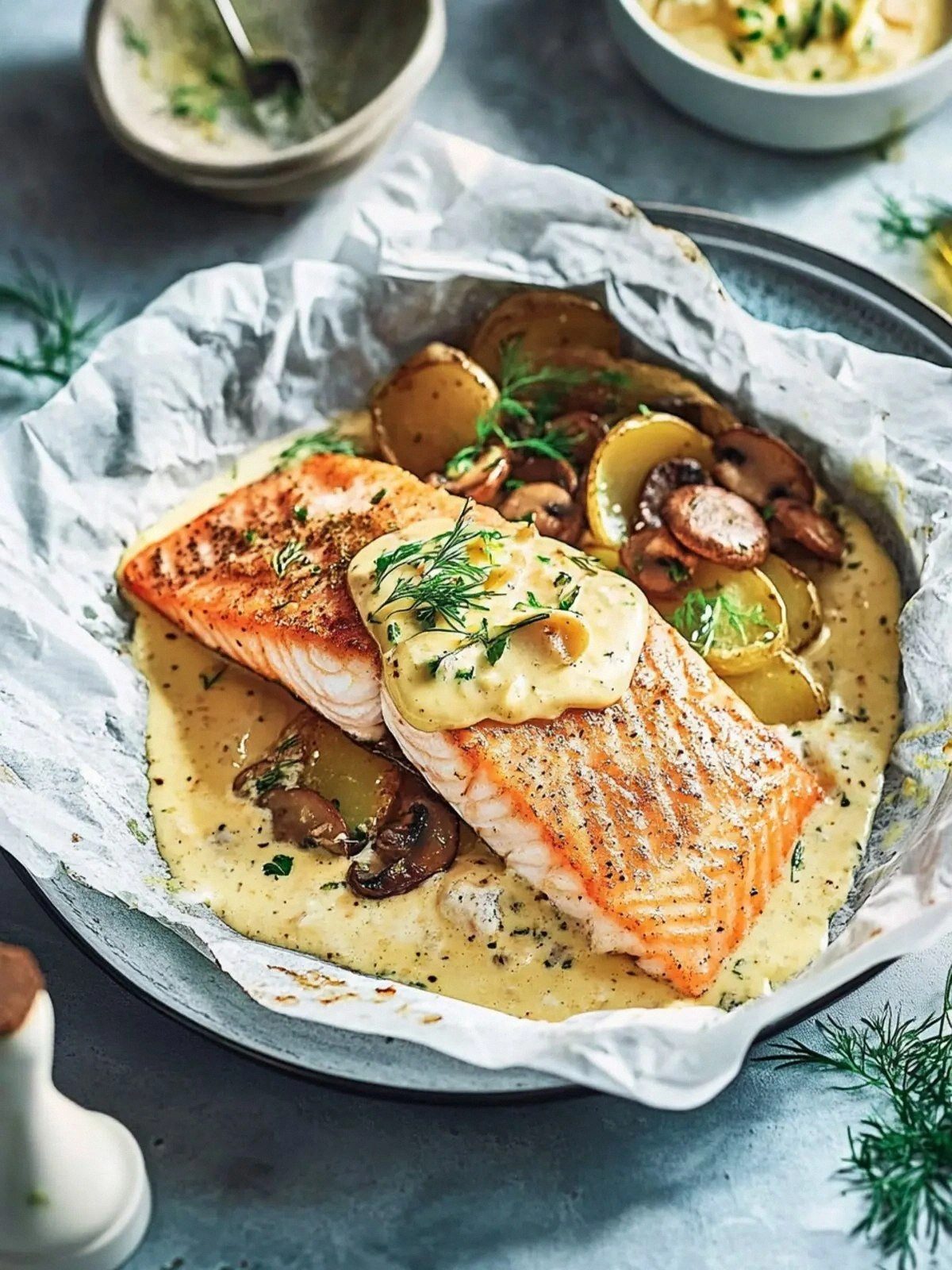
- Visual Appeal: The golden char, glossy sauce, and vibrant herbs make the dish a feast for the eyes as well as the palate.
- Versatility: Swap the Arctic Char for salmon or cod, and the dish becomes a different yet equally delicious experience.
Alright, let’s break down exactly what goes into this masterpiece...
Inside the Ingredient List
The Flavor Base
The sauce is the heart of this dish. A classic hollandaise made from egg yolks, butter, and a splash of white vermouth gives a silky, slightly tangy richness that pairs perfectly with the mild fish. The addition of white wine vinegar balances the buttery sweetness, preventing the sauce from feeling too heavy. If you’re looking for a twist, swap the vermouth for a splash of dry sherry for a nutty undertone.
The Texture Crew
Baby new potatoes are the unsung heroes here. Their waxy skins hold up during baking, while their interiors stay fluffy. When tossed in olive oil and a dash of sea salt, they develop a golden crust that crunches delightfully. If you’re in a hurry, you can pre‑boil them for 5 minutes to ensure they finish crisping in the oven.
The Unexpected Star
Mushrooms aren’t just an accompaniment; they’re a flavor engine. Baby chestnut mushrooms bring an earthy, slightly sweet note that complements the fish and hollandaise. Sauté them with a touch of garlic and fresh tarragon before adding them to the baking tray, allowing them to caramelize and deepen in flavor. If you’re a mushroom lover, feel free to double the quantity.
The Final Flourish
Fresh herbs—flat‑leaf parsley and tarragon—add a burst of color and a bright, herbal lift. The lemon zest and juice provide a citrusy brightness that cuts through the richness of the hollandaise and the buttery fish. A final squeeze of lemon before serving brightens the dish and adds a subtle zing.
Everything’s prepped? Good. Let’s get into the real action…
The Method — Step by Step
- Preheat your oven to 200°C (400°F). Line a large baking tray with parchment paper to keep the potatoes from sticking. This is the moment of truth—setting the right temperature ensures a crisp exterior and a moist interior.
- Wash the baby new potatoes, pat them dry, then toss them with 2 tbsp olive oil, sea salt, and a pinch of pepper. Spread them out in a single layer on the tray and set aside. The oil creates a barrier that locks in moisture, while the salt brings out the natural sweetness.
- Season the Arctic Char fillets with salt, pepper, and a drizzle of olive oil. Lay them skin‑side down on the tray, placing them on top of the potatoes so their juices will caramelize the veggies.
- In a small saucepan, melt 25 g of butter over medium heat. Add 3 tbsp white wine vinegar and bring to a gentle simmer. Stir in 2 free‑range egg yolks, whisking constantly until the mixture thickens into a silky sauce. This is your hollandaise base.
- Add 30 ml of white vermouth (or dry white wine) to the sauce, whisking until fully incorporated. The alcohol evaporates quickly, leaving behind a subtle, nutty depth that balances the butter’s richness.
- Sauté 75 g of baby chestnut mushrooms in a skillet with 1 tbsp butter, a pinch of sea salt, and fresh tarragon until they’re caramelized and fragrant. Sprinkle the mushrooms over the fish and potatoes on the tray.
- Bake the tray for 25 minutes, then spoon the hollandaise over the fish and potatoes. Return to the oven for an additional 5 minutes, or until the fish flakes easily and the potatoes are golden brown.
- Remove the tray from the oven and let the fish rest for 2 minutes. This allows the juices to redistribute, keeping the fish moist. Squeeze fresh lemon juice over the top for a bright, zesty finish.
- Serve immediately with a side of steamed green vegetables or a crisp salad. The contrast of textures—crispy potatoes, silky sauce, flaky fish—creates a balanced, satisfying plate.
That’s it— you did it. But hold on, I've got a few more tricks that'll take this to another level…
Insider Tricks for Flawless Results
The Temperature Rule Nobody Follows
Many chefs bake fish at a high temperature for a quick finish, but this can cause the fish to dry out. I always set the oven to 200°C (400°F) and bake for 25 minutes, then finish with the sauce for just 5 minutes. This keeps the fish moist while giving the potatoes a golden, crisp exterior. If you’re using a convection oven, reduce the temperature by 20°C to avoid over‑browning.
Why Your Nose Knows Best
The aroma of the hollandaise is a reliable indicator of readiness. When the sauce starts to steam and emits a buttery, slightly tangy scent, it’s ready to be poured over the fish. If it smells too flat, give it a few more minutes to thicken. My friend once tried skipping this step and the sauce turned out thin and watery—don’t make that mistake.
The 5‑Minute Rest That Changes Everything
Letting the fish rest after baking allows the juices to redistribute, preventing a dry center. I always let it sit for exactly 2 minutes before slicing. This simple pause means the fish stays moist and the sauce adheres perfectly to each bite.
Keep the Potatoes Crisp
If you’re prone to soggy potatoes, toss them in a mixture of olive oil and a pinch of sea salt before baking. The oil forms a barrier that locks in moisture while the salt draws out excess water, resulting in a crisp exterior and fluffy interior.
The Secret to a Velvety Hollandaise
Whisk the hollandaise vigorously over low heat and add the egg yolks slowly, one at a time. This technique prevents the sauce from curdling and gives it a silky, glossy finish. If you’re short on time, use a blender to emulsify the sauce quickly and evenly.
A Quick Note on Mushrooms
Sautéing the mushrooms before adding them to the tray caramelizes their natural sugars, adding depth to the dish. If you prefer a lighter flavor, you can roast them separately and sprinkle them on top after baking.
Creative Twists and Variations
This recipe is a playground. Here are some of my favorite ways to switch things up:
Salmon Swap
Replace the Arctic Char with thick salmon fillets for a richer, fattier fish. The sauce and potatoes pair beautifully with salmon’s buttery texture, creating a dish that’s still light but more indulgent.
Miso‑Glazed Char
Brush the fillets with a mixture of white miso, honey, and a splash of soy sauce before baking. This adds a sweet, umami depth that complements the hollandaise and brightens the overall flavor.
Roasted Garlic Mushroom Variation
Roast whole garlic cloves and toss them with the baby potatoes for a sweet, garlicky crunch. The roasted garlic infuses the potatoes with a subtle, caramelized flavor that pairs wonderfully with the fish.
Herb‑Infused Hollandaise
Add fresh dill or basil to the hollandaise for a different aromatic profile. Dill gives a fresh, slightly citrusy note, while basil offers a sweet, peppery edge.
Vegetarian Mushroom “Fish”
For a plant‑based version, use large Portobello mushroom caps as the “fish” base. Brush them with olive oil, season, and bake alongside the potatoes. Drizzle the hollandaise over the mushrooms for a surprisingly satisfying texture.
Citrus‑Infused Potatoes
Add a splash of orange or grapefruit juice to the olive oil before tossing the potatoes. The citrus adds a bright, tangy note that lifts the dish and provides a refreshing contrast to the rich sauce.
Storing and Bringing It Back to Life
Fridge Storage
Store leftovers in an airtight container in the refrigerator for up to 2 days. Keep the fish and sauce separate to maintain texture; reheat the fish in a skillet with a splash of water to keep it moist.
Freezer Friendly
The fish can be frozen in a sealed bag for up to 3 months. Thaw overnight in the refrigerator, then reheat in a skillet with a tablespoon of olive oil and a splash of water. The potatoes can be frozen for up to 2 months; reheat in the oven at 180°C (350°F) until crisp.
Best Reheating Method
Add a tiny splash of water to the fish before reheating to create steam and prevent it from drying out. Reheat the sauce separately over low heat, whisking occasionally to maintain its silky texture.