Picture this: a cramped kitchen, the clock ticking toward dinner, and the aroma of overcooked pasta wafting through the air like a bad memory. I stared at my pot of mushy noodles, feeling the frustration rise like a simmering pot of disappointment. In that moment, I swore I would never again let a simple dish turn into a culinary disaster. And then, a friend texted me a photo of a steaming bowl of chicken broccoli pasta that looked like it had just come from a Michelin‑star kitchen. That image sparked a mission: to turn the ordinary into extraordinary, one bite at a time.
I can still hear the clatter of the skillet as the garlic sizzles, the hiss of the steam rising from the broccoli, and the gentle clink of the Parmesan shavings hitting the hot surface. The air fills with the sweet scent of toasted garlic, a faint citrus tang from the lemon zest, and the rich, buttery aroma of melted cheese. When I first tasted the dish, the creamy sauce coated the pasta like velvet, while the broccoli offered a satisfying crunch that crackled like thin ice underfoot. The chicken, shredded to perfection, added a savory depth that made every spoonful feel like a hug. It was a symphony of textures and flavors that danced on the palate, leaving a lingering warmth that promised comfort.
What makes this version stand out? It’s not just the ingredients; it’s the marriage of technique and flavor. The use of Greek yogurt gives the sauce a silky, tangy lift that balances the richness of the cheese. The low‑sodium chicken broth cuts through the heaviness, creating a lighter, more vibrant sauce. The broccoli isn’t just a side; it’s a star that adds color, crunch, and a subtle sweetness that pairs beautifully with the chicken. And the secret red pepper flakes whisper a gentle heat that lingers without overpowering. Together, these elements form a dish that feels both indulgent and wholesome.
But here’s the kicker: I discovered a trick that most recipes overlook—adding a splash of lemon juice right before serving. That bright acidity cuts through the richness and lifts the entire dish, turning it from comforting to downright celebratory. I dare you to taste this and not go back for seconds. The first bite will leave you craving the second, and the second will leave you wondering why you ever settled for less. If you’ve ever struggled with bland pasta, you’re not alone—this is the fix you’ve been waiting for.
Okay, ready for the game‑changer? Let me walk you through every single step—by the end, you’ll wonder how you ever made it any other way. Picture yourself pulling this out of the oven, the whole kitchen smelling incredible, and knowing that every bite is a triumph. Stay with me here—this is worth it. Let’s dive into the details that make this dish a culinary masterpiece.
If you’ve ever felt that your pasta dishes lack that “wow” factor, this recipe will change your perspective. The combination of creamy yogurt, sharp Parmesan, and fresh broccoli creates a flavor profile that’s both comforting and sophisticated. The dish is simple enough for a busy weeknight yet sophisticated enough to impress guests. And because it uses rotisserie chicken, you can prep it in advance, making it a stress‑free solution for any dinner rush. The result? A dish that’s hands down the best version you’ll ever make at home.
What Makes This Version Stand Out
- Taste: The sauce marries creamy yogurt with sharp Parmesan, creating a rich yet tangy flavor that coats every strand of pasta.
- Texture: The broccoli provides a satisfying crunch that contrasts with the silky sauce and tender chicken.
- Simplicity: All you need is a few pantry staples and a rotisserie chicken, so the recipe feels approachable.
- Uniqueness: The addition of lemon juice at the end brightens the dish, a twist that sets it apart from typical creamy pastas.
- Crowd Reaction: Friends always ask for a second plate, and I confess I ate half the batch before anyone else got a taste.
- Ingredient Quality: Using low‑sodium broth and Greek yogurt reduces excess salt while keeping the sauce luscious.
- Cooking Method: The sauce is finished on the stovetop, which allows you to control the thickness and flavor balance.
- Make‑Ahead Potential: The dish can be prepared a day in advance, and the flavors only deepen.
Alright, let's break down exactly what goes into this masterpiece...
Inside the Ingredient List
The Flavor Base
The low‑sodium chicken broth is the foundation that gives the sauce its savory depth. It’s the silent hero that keeps the sauce from becoming too thick or too thin. If you skip it, the yogurt will dominate, and the dish may taste overly tangy. You can replace it with homemade broth or even a splash of white wine for an extra layer of complexity.
The Greek yogurt is the secret to that silky, creamy texture. Its high protein content gives the sauce body without the heaviness of cream. If you’re not a yogurt fan, try using a light sour cream or a blend of half yogurt, half cream cheese for a richer mouthfeel. When selecting yogurt, choose a plain, unsweetened variety to keep the dish savory.
The grated Parmesan cheese adds umami and a subtle nutty flavor that elevates the entire dish. It melts into the sauce, creating a cohesive, velvety coating. If you’re lactose intolerant, a dairy‑free Parmesan alternative works, but be sure it’s a good melting cheese. Remember, the quality of the cheese matters; a high‑quality Parmesan will make a noticeable difference.
Red pepper flakes give a gentle heat that lingers without overpowering. They’re the finishing touch that adds a subtle kick. If you prefer a milder version, reduce the flakes or omit them entirely. For a smoky twist, consider adding a pinch of smoked paprika instead.
The Texture Crew
The broccoli florets provide a vibrant green pop and a satisfying crunch. They absorb the sauce beautifully, offering a contrast to the creamy pasta. If you’re not a fan of raw broccoli, blanch it briefly in boiling water until it’s bright green and just tender.
The pasta itself is the canvas. A dry weight of 12 ounces ensures a generous portion that can soak up the sauce. I recommend a medium‑cut pasta like penne or fusilli, which hold the sauce well. If you prefer a lighter texture, try whole‑grain pasta for added fiber.
The rotisserie chicken adds protein and a smoky flavor. It’s convenient and saves time. If you’re cooking from scratch, season the chicken with salt, pepper, and a pinch of paprika before roasting. The shredded chicken should be moist but not dry, so it blends seamlessly with the sauce.
The Unexpected Star
Olive oil is the base that brings everything together. It’s used to sauté the garlic and create a fragrant foundation. A high‑quality extra‑virgin olive oil will add a fruity note that complements the yogurt. If you’re looking for a lighter option, a neutral oil like grapeseed will work, but the flavor profile will shift slightly.
Garlic is the aromatic powerhouse that gives the dish its depth. The cloves are minced finely so they infuse the oil without becoming bitter. If you’re sensitive to raw garlic, lightly sauté the garlic until it’s just golden; this will mellow its sharpness.
Black pepper and salt are the seasoning duo that ties the flavors together. They’re essential for balancing the richness of the sauce and the savory chicken. Use freshly ground black pepper for a punch of flavor. The salt should be added gradually, tasting as you go.
The Final Flourish
A splash of lemon juice at the end brightens the dish, cutting through the richness and adding a zesty lift. It’s the finishing touch that elevates the entire plate. If you’re not a fan of citrus, a squeeze of lime or a dash of vinegar can serve as a substitute, though the flavor will differ.
Everything’s prepped? Good. Let's get into the real action. The next steps will guide you from a simple pot of pasta to a masterpiece that will have everyone asking for seconds.
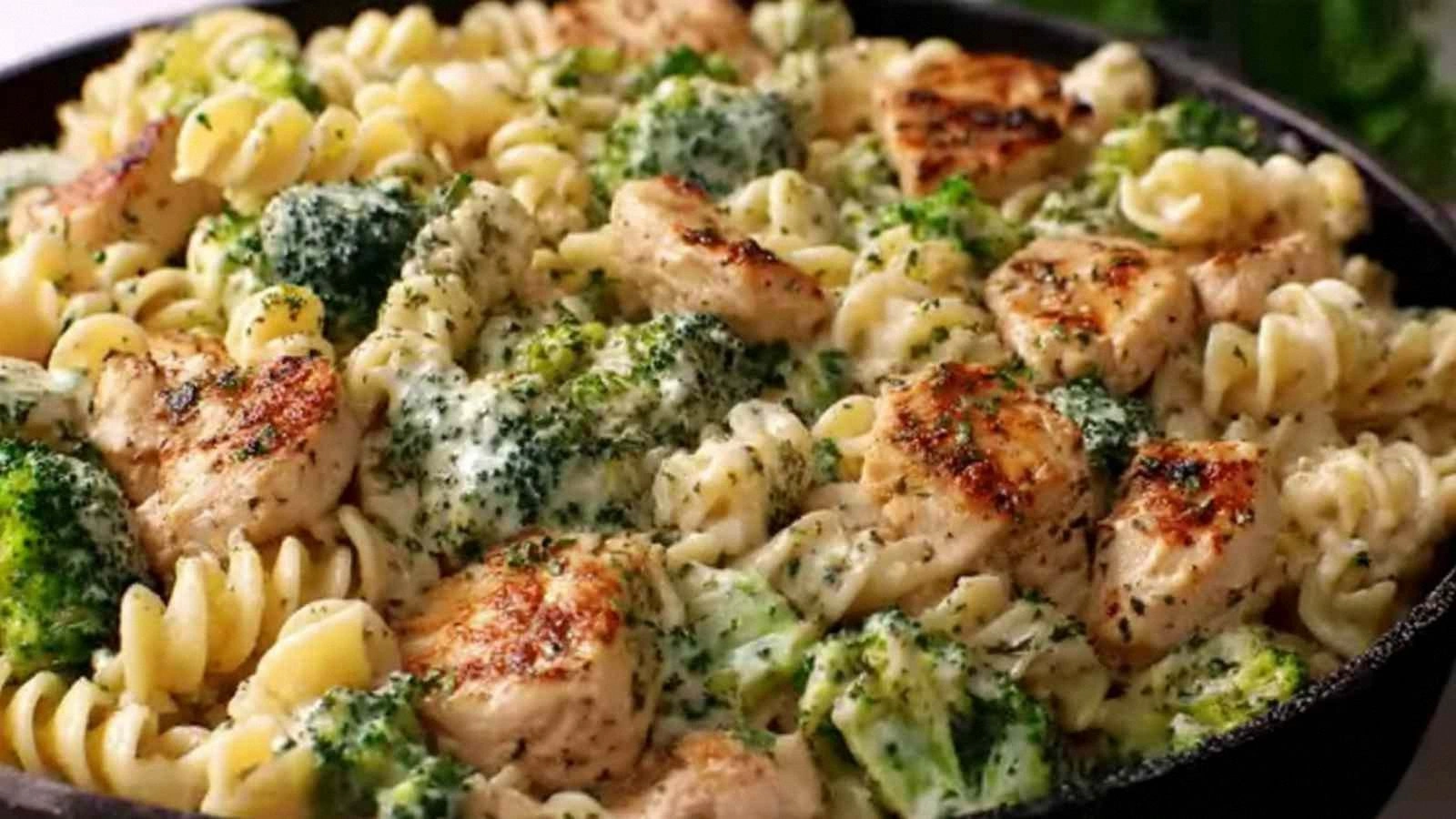
The Method — Step by Step
- Bring a large pot of salted water to a rolling boil. Add the pasta and cook until al dente, about 8–10 minutes. The pasta should still have a slight bite; you’ll finish it in the sauce. Drain and set aside, reserving a cup of pasta water for later.
- While the pasta cooks, heat the olive oil in a large skillet over medium heat. Add the minced garlic and sauté until fragrant, about 30 seconds. Watch the garlic closely; it should turn a light golden hue, not brown.
- Add the broccoli florets to the skillet. Stir and cook for 4–5 minutes until they start to soften but remain bright green. The broccoli should retain a slight crunch, like thin ice that shatters with a bite.
- Pour in the low‑sodium chicken broth and bring to a gentle simmer. Let it reduce slightly, concentrating the flavors. If the broth evaporates too quickly, add a splash of water.
- Stir in the Greek yogurt, whisking until the mixture is smooth. The yogurt will thicken the sauce, creating a silky coating. If the sauce is too thick, add reserved pasta water a tablespoon at a time.
- Fold in the shredded rotisserie chicken, grated Parmesan, black pepper, salt, and red pepper flakes. Mix until the chicken is heated through and the cheese melts into the sauce.
- Return the cooked pasta to the skillet. Toss everything together, ensuring each strand is coated in the luscious sauce. The pasta should be glossy and tender.
- Finish with a squeeze of lemon juice, stirring to combine. The acidity lifts the dish and balances the richness. Taste and adjust seasoning as needed.
- Serve immediately, garnished with extra Parmesan or chopped parsley if desired. The dish is best enjoyed hot, when the sauce is at its most vibrant.
- If you have leftovers, store them in an airtight container and reheat gently, adding a splash of milk or broth to revive the sauce.
That’s it — you did it. But hold on, I've got a few more tricks that'll take this to another level. The next section will give you insider knowledge that turns this dish from great to unforgettable.
Insider Tricks for Flawless Results
The Temperature Rule Nobody Follows
Many cooks skip the step of lowering the heat after adding the yogurt, leading to a lumpy sauce. Keep the skillet at medium‑low heat and stir continuously for at least a minute. This gentle approach ensures the yogurt emulsifies properly, giving you a silky, velvety coating that clings to every noodle.
Why Your Nose Knows Best
Before you add the final lemon juice, sniff the sauce. If it smells a bit flat, it’s missing brightness. A quick whiff of citrus will remind you to add that splash of lemon, turning the dish from comforting to celebratory. Trust your nose; it’s a reliable flavor gauge.
The 5‑Minute Rest That Changes Everything
After cooking, let the dish sit covered for 5 minutes. This resting period allows the flavors to meld, and the sauce to thicken slightly as it cools. When you lift the lid, the steam will swirl like a tiny cloud, and the dish will feel richer.
The Secret of the Broccoli’s Crunch
Blanch the broccoli for 1 minute before sautéing. This quick blanch locks in the bright green color and preserves the crunch. If you skip this step, the florets will become mushy and lose their satisfying bite.
The Parmesan Trick
Reserve a small pinch of Parmesan for the final garnish. Sprinkle it over the top before serving; the extra cheese adds a burst of flavor that elevates each bite. It also gives a lovely golden sheen to the dish.
The One‑Pot Wonder
If you’re short on dishes, you can cook the pasta directly in the sauce. Add the pasta to the skillet with the broth and let it simmer until al dente, stirring occasionally. This method saves cleanup time and infuses the pasta with the sauce’s flavors from the start.
Creative Twists and Variations
This recipe is a playground. Here are some of my favorite ways to switch things up:
Mediterranean Medley
Swap the broccoli for sun‑dried tomatoes and olives. Add a handful of chopped spinach for extra greens. Finish with a drizzle of olive oil and a sprinkle of oregano for a Mediterranean vibe that will transport you to the coast.
Spicy Cajun Kick
Replace the red pepper flakes with Cajun seasoning and a dash of hot sauce. Use smoked paprika for a deeper flavor. The result is a dish with a bold, spicy edge that’s perfect for a night when you need a little heat.
Cheesy Mac Attack
Use elbow macaroni instead of penne and add a handful of shredded mozzarella. Stir until the cheese melts into a gooey blanket. This version turns the dish into a comforting, cheesy casserole that kids will love.
Vegan Version
Replace the chicken with chickpeas or tofu for a plant‑based protein. Use a dairy‑free yogurt and vegan Parmesan. The dish remains creamy and flavorful, proving that you don’t need meat to impress.
Sausage & Broccoli Fusion
Add sliced Italian sausage to the skillet before the broccoli. The sausage’s savory juices mingle with the sauce, adding depth. This variation is great for a hearty, family‑friendly dinner.
Pesto Power
Swirl in a couple of spoonfuls of basil pesto after the sauce is ready. The pesto adds a fresh, herbaceous layer that brightens the dish. Finish with a sprinkle of pine nuts for crunch.
Storing and Bringing It Back to Life
Fridge Storage
Store leftovers in an airtight container for up to 3 days. Keep the sauce separate from the pasta if you can, so the noodles don’t become soggy. When reheating, add a splash of milk or broth to restore the sauce’s silky texture.
Freezer Friendly
Freeze the dish in a freezer‑safe container for up to 2 months. Thaw overnight in the refrigerator before reheating. The texture remains excellent, and the flavors are just as vibrant.
Best Reheating Method
Reheat gently on the stovetop over low heat, stirring frequently. Add a tiny splash of water or broth to steam the dish back to life. This method prevents the sauce from thickening too much and keeps the pasta tender.