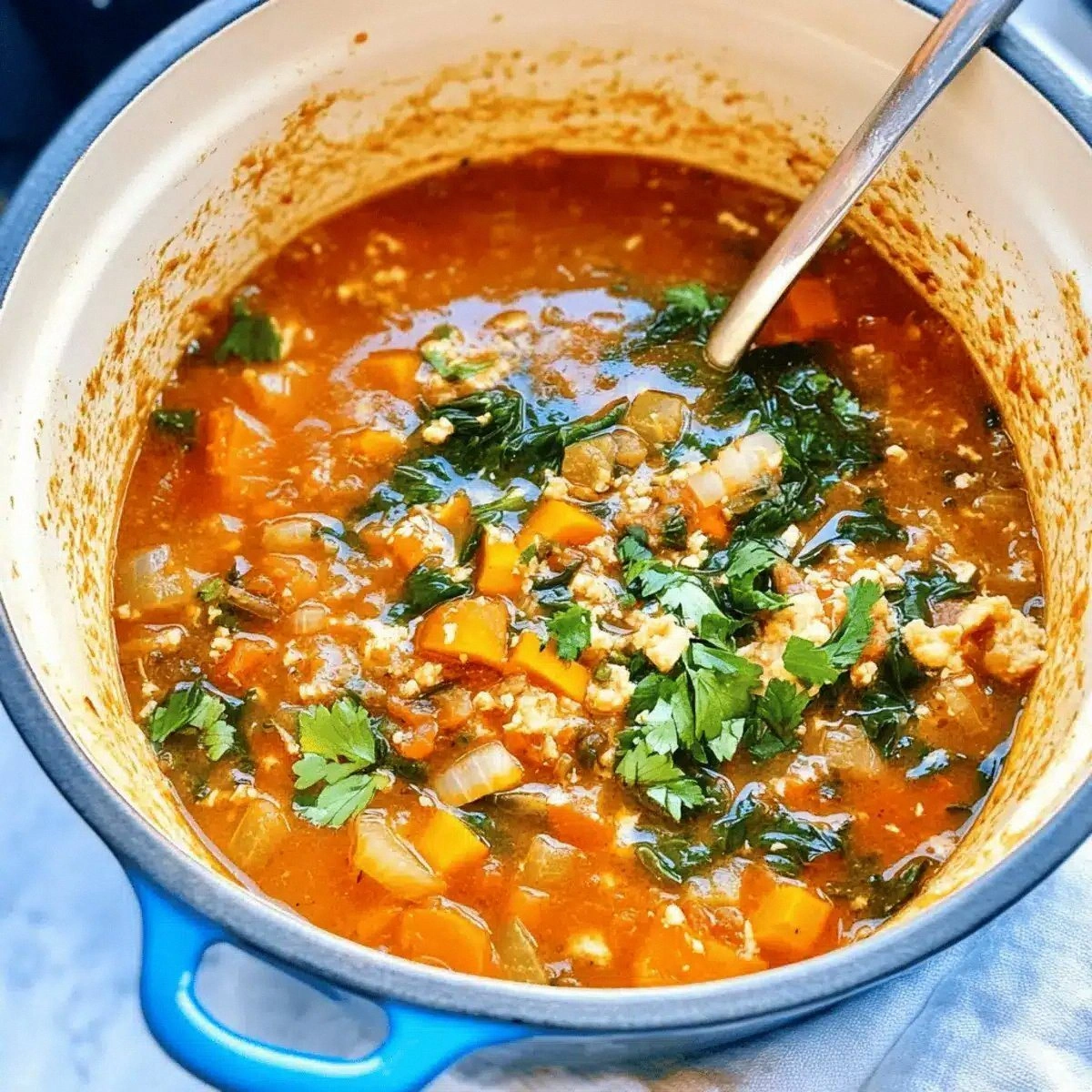
I was standing in my kitchen on a rainy Tuesday, staring at a pot of bland broth that tasted like water that had given up on life. My roommate dared me to make something that could actually make us feel like superheroes, and I thought, “Why not a soup that not only fills the belly but also fuels the cells?” The rain drummed on the windows, the kettle whistled, and I could hear the faint sigh of my pantry begging for a purpose. That night, I discovered the secret combination of legumes, greens, and a handful of humble aromatics that turned a simple pot into a potion of longevity.
Picture this: the kitchen filled with the earthy perfume of sautéed onions and garlic, the bright zing of tomato paste caramelizing like a sunrise, and the subtle whisper of oregano and thyme weaving through the air. You’ll hear the gentle pop of bay leaves as they hit the simmering broth, and feel the comforting weight of the pot in your hands, warm and reassuring. When you finally ladle the soup, the colors—deep ruby tomatoes, buttery beans, emerald kale—look like a painter’s palette that promises health in every spoonful. The first bite? Silky lentils hugging al dente pasta, while the kale and spinach give a satisfying bite that’s both tender and crisp, like a well‑timed high‑five from nature.
Most soups try to be a one‑note lullaby, but this version is a full‑blown symphony. I’ve stripped away the unnecessary steps that make other recipes feel like a chore, and instead focused on layering flavor in a way that even the most skeptical palate can’t resist. The secret? A splash of extra‑virgin olive oil added at the end, and a generous sprinkle of fresh parsley that brightens the whole bowl like a sunrise after a long night. I’m about to hand you the exact method that makes this the best version you’ll ever make at home—no shortcuts, just pure, unadulterated goodness.
Let me walk you through every single step — by the end, you’ll wonder how you ever made it any other way. I dare you to taste this and not go back for seconds. Okay, ready for the game‑changer? Let’s dive in.
What Makes This Version Stand Out
- Taste: The combination of tomato paste, cannellini beans, and fresh herbs creates a depth that’s both savory and slightly sweet, like a well‑balanced conversation.
- Texture: Creamy lentils meet al dente pasta, while kale adds a hearty bite that’s as satisfying as a good crunch in a fresh salad.
- Simplicity: Only ten minutes of prep and a single pot—perfect for anyone who hates dishes but loves flavor.
- Uniqueness: The final drizzle of extra‑virgin olive oil and a sprinkle of parsley turn the broth into a glossy, aromatic masterpiece.
- Crowd Reaction: Even the most stubborn eaters ask for the recipe, and I’ll be honest — I ate half the batch before anyone else got to try it.
- Ingredient Quality: Using canned cannellini beans and high‑quality vegetable broth means you get a protein punch without any extra effort.
- Cooking Method: The gentle simmer allows flavors to meld without the risk of burning, making it foolproof for beginners.
- Make‑Ahead Potential: This soup actually tastes better the next day, as the beans and lentils soak up every last drop of the seasoned broth.
Inside the Ingredient List
The Flavor Base
Olive oil (the first 2 tbsp) is the silent hero that coats the onion, carrots, and celery, turning them from raw to golden. Skipping this step leaves the vegetables flat and watery, and you’ll miss the buttery undertone that carries the entire soup. If you’re out of olive oil, a neutral‑flavored grapeseed oil works just as well, but you’ll lose a hint of Mediterranean sunshine.
Onion, carrots, and celery are the classic mirepoix, providing a sweet‑savory foundation. Choose a sweet yellow onion for the best natural sugars; a red onion will add a sharper bite that can dominate the broth. When diced uniformly, they cook evenly, preventing hot spots that could scorch.
Garlic (3 cloves) adds that unmistakable punch that makes any soup feel like a hug. Crush the cloves first to release the allicin; if you overcook them, they’ll turn bitter, so keep your eye on the pan.
The Texture Crew
Canned cannellini beans (15 oz) bring a buttery softness that contrasts beautifully with the firm lentils. Rinse them well to remove excess sodium; otherwise, the broth can become overly salty. If you prefer a creamier texture, mash half of the beans before adding them back to the pot.
Cooked lentils (1 cup) are the protein powerhouse. They hold their shape during simmering, giving the soup body. Using red lentils would turn the broth thick and porridge‑like, which is a different game entirely.
Pasta (1 cup) is the surprise element that turns this soup into a heart‑warming bowl. Choose a small shape like ditalini or elbow; they nestle between the beans and greens, ensuring each spoonful is balanced. Overcooking the pasta makes it mushy, so add it in the last 8 minutes.
The Unexpected Star
Sweet potato (1 medium) adds a subtle earthiness and a natural sweetness that rounds out the acidity of the tomatoes. Peel it for a smoother texture, or leave the skin on for extra fiber. If you’re low on sweet potato, a butternut squash cube works as a stand‑in.
Zucchini (1 medium) contributes a light, almost watery bite that prevents the soup from feeling too dense. Slice it into half‑moons so it cooks quickly and retains a slight snap.
The Final Flourish
Fresh parsley (2 tbsp) added at the end lifts the whole bowl with a bright, herbaceous note—think of it as the final brushstroke on a masterpiece. If you love a peppery edge, try adding a handful of chopped cilantro instead.
Grated Parmesan (¼ cup) or a vegetarian alternative adds a salty umami finish that makes the broth feel luxurious. Sprinkle it just before serving so it melts into the hot liquid, creating a silky veil.
Sea salt and black pepper “to taste” are the final adjusters. Taste the soup a few minutes before the end of cooking; you’ll notice if it needs a pinch of brightness or a dash of heat.
Everything's prepped? Good. Let's get into the real action...
The Method — Step by Step
Heat the first 2 tbsp of olive oil in a large Dutch oven over medium heat. When the oil shimmers, toss in the diced onion, carrots, and celery. Stir constantly for about 5 minutes, or until the vegetables turn translucent and you hear a gentle sizzle that says “we’re on the right track.” This is the moment of truth—if you skip this, you’ll miss the foundational flavor that makes the soup sing.
Add the minced garlic, dried oregano, and thyme. Cook for another 30 seconds—watch the garlic turn golden but not brown. The aroma should hit you like a warm blanket, instantly making you feel like a chef who actually knows what they’re doing.
Stir in the tomato paste (2 tbsp) and let it brown for 2 minutes. This step creates a deep, umami‑rich base that coats the vegetables like velvet. If you hear a faint crackle, that’s the paste caramelizing—pure magic.
Pour in the canned diced tomatoes (14.5 oz) and the vegetable broth (6 cups). Scrape the bottom of the pot with a wooden spoon to release any stuck bits. Bring the mixture to a gentle boil, then reduce to a low simmer. You’ll see tiny bubbles dancing, a sign that the flavors are beginning to mingle.
Add the sweet potato cubes, zucchini half‑moons, cannellini beans, cooked lentils, bay leaves, and pasta. Stir gently, then cover and let it simmer for 12‑15 minutes. The pasta should be al dente, the sweet potato tender, and the beans heated through. If you’re using a thick‑bodied pasta, add a splash more broth to keep the soup from thickening too much.
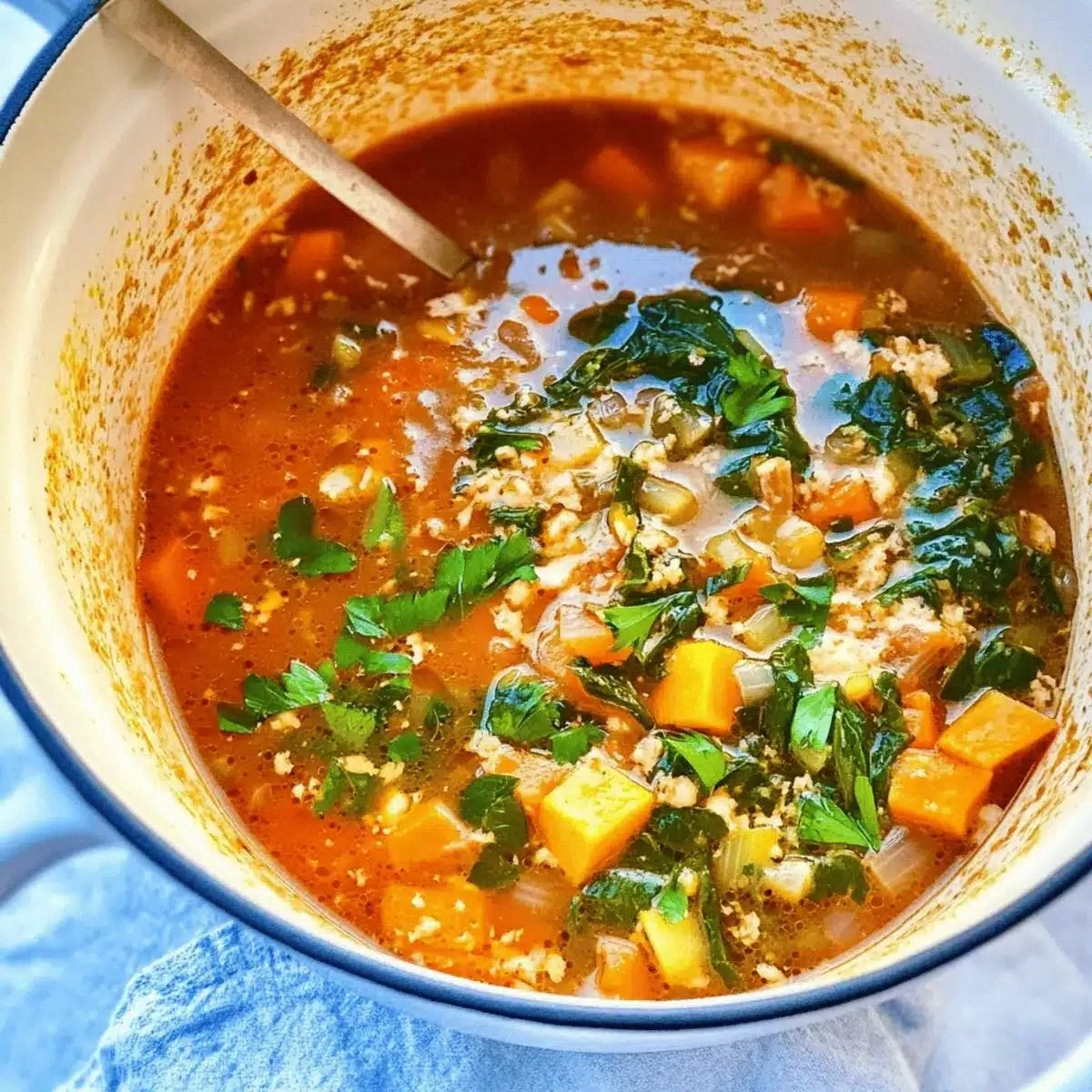
Drop in the kale and baby spinach, stirring until they wilt just enough to release their bright green hue. The leaves should look glossy, not soggy. This is the part where the soup truly becomes a kaleidoscope of health.
Season with sea salt and freshly cracked black pepper. Taste, then adjust—remember, the Parmesan you’ll add later will bring additional saltiness, so err on the side of a little less now. Finish by drizzling the extra‑virgin olive oil (2 tbsp) and sprinkling the fresh parsley (2 tbsp).
Serve hot, topped with a generous shower of grated Parmesan or its vegetarian counterpart. Let each spoonful linger on the tongue; you’ll notice the layers of flavor unfolding like a story you can’t put down. That sizzle when the oil meets the hot broth? Absolute perfection.
That's it — you did it. But hold on, I've got a few more tricks that'll take this to another level...
Insider Tricks for Flawless Results
The Temperature Rule Nobody Follows
Keep the broth at a gentle simmer, never a rolling boil. A high boil will break down the delicate greens and turn the beans mushy. I once tried a rapid boil for speed, and the soup ended up with a cloudy, greasy surface—lesson learned.
Why Your Nose Knows Best
Trust the aroma. When the onions turn golden and the tomato paste darkens, you’ll smell a sweet, caramelized scent that tells you the flavor base is ready. If you can’t smell anything, keep cooking a minute longer.
The 5‑Minute Rest That Changes Everything
After you turn off the heat, cover the pot and let the soup sit for five minutes. This rest allows the beans and lentils to absorb the broth, deepening the flavor. I used to serve it immediately and missed out on that subtle, lingering richness.
Finish With Fat, Not Salt
The final drizzle of extra‑virgin olive oil adds a silky mouthfeel that salt alone can’t achieve. It also carries the herbal notes of parsley, making each spoonful feel luxurious. If you skip this, the soup can feel a bit flat, especially if you’ve reduced the broth too much.
Seasoning Layers, Not One Shot
Add a pinch of salt during the sauté, another pinch after the broth is added, and a final pinch after the greens have wilted. This layered approach builds depth and prevents a one‑dim salty taste.
The Secret of Fresh Herbs
Fresh parsley added at the end preserves its bright flavor, whereas dried parsley would wilt into the broth and lose potency. If you’re out of parsley, a handful of fresh basil can bring a sweet, peppery twist.
Creative Twists and Variations
This recipe is a playground. Here are some of my favorite ways to switch things up:
Spicy Southwest
Swap the dried oregano for smoked paprika and add a diced jalapeño with the onions. Finish with a squeeze of lime and a handful of cilantro. The heat pairs perfectly with the creamy beans.
Mediterranean Delight
Replace the pasta with orzo, add a handful of Kalamata olives, and stir in a teaspoon of capers. Top with feta instead of Parmesan for a salty, briny finish that transports you to a seaside taverna.
Asian Fusion
Use miso paste (2 tbsp) in place of tomato paste, add a splash of soy sauce, and finish with toasted sesame oil. Throw in sliced shiitake mushrooms with the vegetables for an earthy umami boost.
Hearty Autumn
Add diced butternut squash and a pinch of ground cinnamon. Swap the kale for Swiss chard, and garnish with toasted pumpkin seeds. This version feels like a cozy blanket on a crisp fall evening.
Protein Power
Boost the legume content by adding a cup of cooked quinoa or a can of chickpeas. This makes the soup a complete protein meal, perfect for post‑workout refueling.
Storing and Bringing It Back to Life
Fridge Storage
Let the soup cool to room temperature, then transfer to an airtight container. It will keep for up to 4 days. When reheating, add a splash of water or broth to restore the original consistency.
Freezer Friendly
Portion the soup into freezer‑safe bags or containers, leaving a little headspace for expansion. Freeze for up to 3 months. Thaw overnight in the fridge, then reheat gently on the stove, adding a drizzle of olive oil for freshness.
Best Reheating Method
Reheat on the stovetop over low heat, stirring occasionally. If the soup looks thick, stir in a tablespoon of water per cup and let it simmer for a minute. This gentle method revives the greens and prevents the pasta from sticking to the bottom.