I was standing in my kitchen, staring at a half‑cooked batch of plain boiled shrimp, when my roommate shouted, “If you’re not going to spice it up, I’m taking it!” That was the moment I realized I needed a sauce that could slap a boring seafood plate into a fireworks display. I tossed a few chipotle peppers into a pan, squeezed the juice of an orange, and—miracle of miracles—discovered a glaze that made the shrimp sing louder than a karaoke night in a dive bar. This wasn’t just a quick fix; it was an epiphany that turned a simple pantry raid into a culinary adventure.
Picture this: the kitchen humming with the low‑grade sizzle of butter meeting a hot skillet, the air thick with smoky heat from the chipotle, and a bright citrus perfume that makes you think of a sun‑kissed beach in Veracruz. The shrimp, pink and firm, dive into that orange‑chipotle pool and emerge with a glossy coat that looks like liquid sunrise. When you bite, the first thing you notice is the subtle snap of the shrimp’s texture, followed instantly by a creamy, smoky wave that rolls across your palate, leaving a lingering hint of fresh cilantro and a cool crunch from cucumber dice. It’s a symphony of flavors and sensations that makes you want to close your eyes and just ride the wave.
Why does this version beat every other chipotle‑orange shrimp recipe you’ll find online? Most cooks either drown the shrimp in a swamp of sauce or under‑season it, leaving the shrimp tasting like a bland sea‑weed snack. I’ve cracked the code by balancing the heat of chipotle with the bright acidity of orange, then mellowing the whole thing with a splash of cream that turns the sauce into silk. The secret is in the timing: you sear the shrimp just long enough to get those caramelized edges, then finish them in a sauce that never boils, preserving that buttery richness without the dreaded curdle.
You might think I’m exaggerating, but I dare you to taste this and not go back for seconds. The flavor profile is so bold that even the most skeptical palate will raise an eyebrow in approval. And here’s the kicker: I’m about to reveal a technique involving a quick deglaze with orange zest that most recipes completely miss. Okay, ready for the game‑changer? Let me walk you through every single step — by the end, you'll wonder how you ever made it any other way.
What Makes This Version Stand Out
- Heat‑Balanced: The chipotle’s smoky sting is perfectly countered by orange’s citrus brightness, creating a harmonious heat that never overwhelms.
- Creamy Finish: A splash of cream turns a potentially aggressive sauce into a velvety coating that clings to each shrimp like a second skin.
- Fresh Crunch: Diced cucumber added at the end introduces a refreshing crunch that cuts through the richness, making each bite feel lighter.
- Cilantro Lift: Fresh cilantro isn’t just a garnish; its herbaceous pop lifts the entire dish, adding an aromatic finish that lingers.
- Speedy Simplicity: From prep to plate, this dish can be done in under 45 minutes, proving that gourmet doesn’t have to be time‑consuming.
- Versatile Base: The sauce doubles as a drizzle for tacos, a topping for rice bowls, or even a dip for grilled veggies—talk about multi‑tasking.
- Make‑Ahead Friendly: You can prep the sauce a day ahead; the shrimp stays fresh and juicy when cooked just before serving.
- Crowd‑Pleaser: I’ve served this at backyard barbecues and intimate dinner parties alike; it consistently garners rave reviews and empty plates.
Inside the Ingredient List
The Flavor Base
The orange is the beating heart of this dish. Its juice brings a bright acidity that cuts through the richness of the cream, while the zest adds a fragrant oil that perfumes the entire kitchen. If you skip the zest, you’ll miss that subtle, almost floral note that makes the sauce feel upscale. A good quality, thin‑skinned orange (like Valencia) yields more juice and a sweeter profile; avoid navel oranges, as they’re too pulpy.
Chipotle peppers in adobo sauce deliver smoky heat with a depth you won’t get from plain dried chilies. One or two finely minced chipotle peppers are enough; more will dominate the flavor, turning the dish into a fire‑ball. If you can’t find chipotle, substitute smoked paprika and a dash of cayenne for a similar effect, though you’ll lose a bit of that authentic Mexican smoky nuance.
The Texture Crew
Shrimp, when cooked properly, should be firm yet tender, snapping back like a spring when bitten. I recommend buying wild‑caught shrimp whenever possible; they have a firmer texture and a sweeter flavor than farmed varieties. If you’re using frozen shrimp, thaw them gently in the fridge overnight to avoid waterlogged meat that dilutes the sauce.
Cucumbers might seem out of place, but their cool, crisp bite is the perfect counterpoint to the warm, creamy sauce. Peel them lightly and dice them just before serving to maintain that satisfying crunch. If you’re not a fan of cucumber, try thinly sliced jicama or even a handful of thinly shaved carrots for a similar texture.
The Unexpected Star
Heavy cream isn’t just a filler; it transforms the sauce from a thin glaze into a luxurious coating that clings to each shrimp like a lover’s embrace. The fat content stabilizes the sauce, preventing the chipotle’s acidity from curdling the mixture. If you’re dairy‑free, swap in coconut cream; it will add a subtle tropical twist that pairs surprisingly well with the orange.
The Final Flourish
Cilantro brings a bright, herbaceous finish that lifts the dish from “good” to “wow.” Fresh cilantro leaves should be added at the end, right before plating, to preserve their vivid green color and aromatic oils. If cilantro isn’t your thing, flat‑leaf parsley can stand in, though you’ll lose that distinct citrusy undertone.
Everything's prepped? Good. Let's get into the real action—where the sauce meets the shrimp and magic happens.
The Method — Step by Step
Gather all your ingredients and pat the shrimp dry with paper towels. Moisture is the enemy of a good sear, so this step is crucial. Heat a large skillet over medium‑high heat, then add two tablespoons of butter and a splash of olive oil. The butter should melt and foam, but not burn—if it starts to brown too quickly, lower the heat slightly. That sizzle when it hits the pan? Absolute perfection.
Once the butter is shimmering, add the shrimp in a single layer, leaving a little space between each piece. You’ll hear a gentle crackle as the shrimp hit the hot surface—this is the sound of flavor forming. Cook for about 1½ minutes per side, or until the edges turn pink and start to curl. Don’t walk away from the stove here; the shrimp can go from perfectly seared to overcooked in seconds. Remove the shrimp and set them aside on a plate.
Kitchen Hack: If your skillet is crowded, sear the shrimp in batches to ensure each piece gets that coveted caramelized edge.Lower the heat to medium and add a minced garlic clove and the minced chipotle peppers (including a spoonful of adobo sauce for extra depth). Stir constantly for about 30 seconds—this releases the aromatics without burning them. The pan will fill with a smoky, slightly sweet aroma that tells you you’re on the right track. Watch out: Too much heat will scorch the chipotle, turning it bitter.
Watch Out: If the garlic starts to brown, immediately add the orange juice to deglaze and stop the burning.Pour in the freshly squeezed orange juice (about ½ cup) and the zest of the orange. Increase the heat just enough to bring the mixture to a gentle simmer; you’ll see tiny bubbles forming along the edges. Let it reduce by roughly one‑third, which should take 3‑4 minutes. This concentration step is where the sauce gains that bright, tangy backbone.
Stir in the heavy cream, whisking constantly to create a silky emulsion. The sauce will thicken almost instantly, turning a luscious amber color. Reduce the heat to low and let it simmer for another 2 minutes; this gentle cooking ensures the cream doesn’t split. Taste and adjust: a pinch of salt, a splash more orange juice if you crave acidity, or an extra minced chipotle for heat.
Return the seared shrimp to the pan, tossing them gently to coat each piece in the creamy orange‑chipotle glaze. Let them sit for about 1 minute, just enough for the shrimp to absorb the sauce without overcooking. You’ll notice the sauce clinging to the shrimp like a glossy coat, and the shrimp will regain a slight pink blush from the residual heat.
Finally, fold in the chopped cilantro and the diced cucumber, reserving a few cucumber cubes for garnish. The cilantro should stay bright green, and the cucumber will add a cool crunch that cuts through the richness. Give everything a quick toss, then remove from heat.
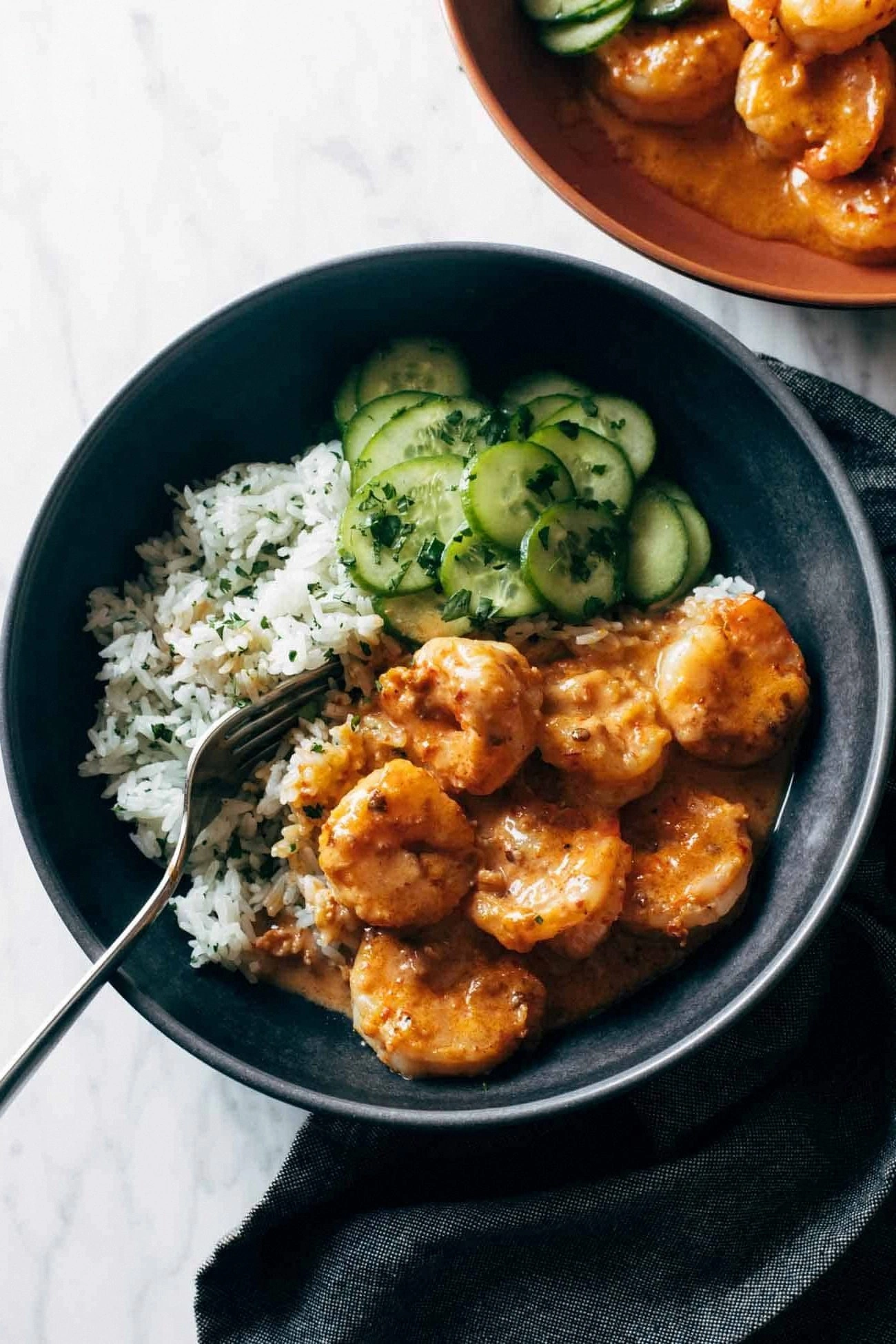
Plate the shrimp over a bed of fluffy rice or quinoa, drizzle any remaining sauce over the top, and sprinkle the reserved cucumber cubes for visual contrast. The final presentation should look like a sunset—vibrant orange, smoky black specks, and fresh green accents. Serve immediately and watch your guests’ eyes widen with anticipation.
That’s it — you did it. But hold on, I’ve got a few more tricks that'll take this to another level, because a good dish should always have a secret weapon up its sleeve.
Insider Tricks for Flawless Results
The Temperature Rule Nobody Follows
Most home cooks crank the heat to “high” to speed things up, which often leads to burnt aromatics and uneven shrimp cooking. The secret is to keep your skillet at a steady medium‑high temperature: hot enough to sear, but not so hot that the butter scorches. A quick test—sprinkle a few drops of water in the pan; if they dance and evaporate instantly, you’re at the sweet spot.
Why Your Nose Knows Best
When the chipotle and orange start to mingle, trust your sense of smell more than a timer. The moment you detect a balanced smoky‑citrus aroma, you know the sauce is ready to reduce. If it smells too sharp or overly bitter, add a splash of cream to mellow it out.
The 5‑Minute Rest That Changes Everything
After plating, let the dish sit for exactly five minutes before serving. This short rest allows the sauce to settle, the shrimp to finish cooking gently, and the cilantro to release its essential oils. Skipping this step often results in a sauce that runs off the plate instead of hugging the shrimp.
Cucumber Prep Shortcut
If you’re juggling multiple dishes, slice your cucumber with a mandoline and toss it in ice water for 2 minutes. This keeps the cubes crisp and prevents them from wilting under the warm sauce.
The Secret Salt Timing
Add a pinch of flaky sea salt at the very end, just before serving. This final burst of seasoning brightens every flavor and gives the sauce a subtle snap that makes the palate sing.
Creative Twists and Variations
This recipe is a playground. Here are some of my favorite ways to switch things up:
Tropical Heat
Swap the orange for mango puree and add a dash of lime juice. The sweetness of mango pairs beautifully with chipotle, turning the dish into a Caribbean‑inspired feast. Top with toasted coconut flakes for extra crunch.
Smoky Bacon Boost
Crisp up a handful of bacon bits and stir them in with the cilantro. The salty, smoky bacon amplifies the chipotle’s depth, making the dish perfect for a brunch‑style dinner.
Herb Garden Remix
Replace cilantro with a mix of fresh basil and mint. This herb combo adds a sweet‑peppery note that brightens the sauce and gives the dish a fresh, summer vibe.
Veggie‑Packed Version
Add sliced bell peppers and snap peas during the deglazing step. The extra vegetables soak up the sauce, creating a wholesome, colorful bowl that can serve as a main course.
Spicy Coconut Curry
Swap the heavy cream for coconut milk and stir in a teaspoon of curry powder with the chipotle. The result is a fragrant, exotic twist that feels like a trip to a Thai street market.
Storing and Bringing It Back to Life
Fridge Storage
Transfer any leftovers to an airtight container and refrigerate for up to 2 days. Keep the sauce separate from the shrimp if possible; this prevents the shrimp from becoming soggy. When reheating, add a splash of orange juice to revive the bright zing.
Freezer Friendly
Both the sauce and the cooked shrimp freeze well. Portion the sauce into freezer‑safe bags, label, and store for up to 3 months. Shrimp should be frozen on a single layer on a tray before being transferred to a bag to avoid clumping.
Best Reheating Method
To reheat, gently warm the sauce in a skillet over low heat, stirring continuously. Add a tiny splash of water or extra orange juice; this creates steam that revives the sauce’s silkiness. Toss the thawed shrimp in just before serving to avoid overcooking.