I was halfway through a week of burnt lasagna and soggy stir‑fries when my roommate walked into the kitchen, eyes wide, holding a battered pot of cabbage from the grocery store. “What’s that?” she asked, and I laughed, realizing we were about to create a dish that would outshine every other comfort food in my pantry. The moment the cabbage hit the pot, a fragrant steam rose that smelled like home and promise. I could hear the sizzle of onions and the soft clack of garlic being minced, while the oven’s hum whispered that something delicious was about to unfold. The kitchen felt alive, every utensil ready for its part in this culinary drama.
Imagine biting into a tender slice of cabbage that’s been lovingly wrapped around a savory beef‑rice filling, all bathed in a tomato sauce that’s thick enough to coat the edges but still bright enough to tease your palate. The texture is a delightful contrast: the crispness of the cabbage meets the hearty chew of the rice and the subtle crunch of diced tomatoes. The aroma is a comforting blend of garlic, oregano, and a hint of paprika that makes your nose do a happy dance. As soon as the first spoonful hits your tongue, you’ll feel the warmth of the sauce wrapping around your taste buds like a cozy blanket. I dare you to taste this and not go back for seconds.
What makes this version stand out is that it’s not just a casserole; it’s a flavor orchestra where every component plays a pivotal role. The cabbage is the star, not a filler, and it’s cut into bite‑sized pieces that hold their shape while absorbing the sauce. Ground beef is used in just the right amount to keep the dish juicy without overpowering the vegetables. The rice acts as a binder, keeping everything together, and it can be swapped for quinoa for a protein‑packed twist. The sauce is a marriage of tomato sauce and diced tomatoes, creating a depth that’s both sweet and tangy. This isn’t a recipe you’ll find in a cookbook; it’s a kitchen hack that turns a humble cabbage into a show‑stopper.
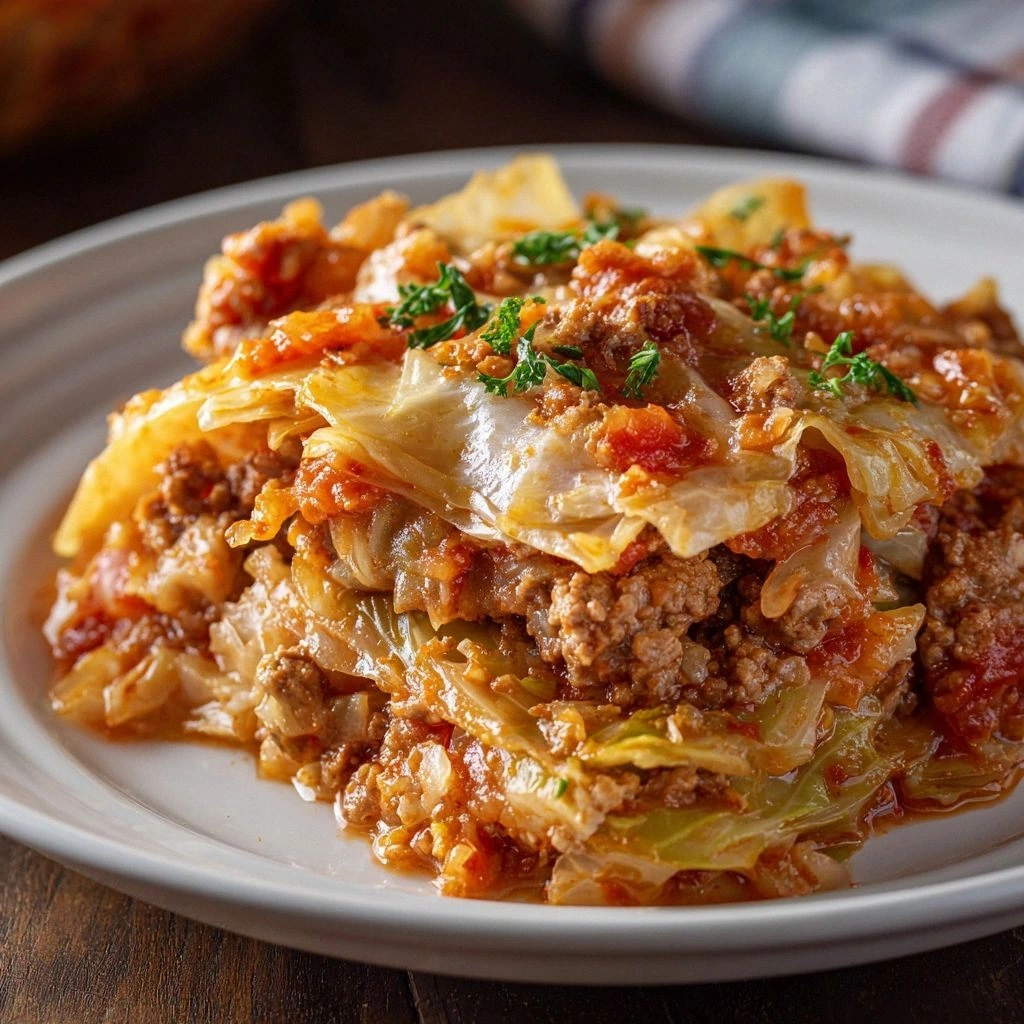
Picture yourself pulling this out of the crockpot, steam curling like a cloud, the aroma filling the entire house, and every guest asking for the recipe. The final dish is a mosaic of colors—green cabbage, red tomatoes, and golden sauce—each bite delivering a burst of flavor that makes you wonder how you ever lived without it. I’ll be honest— I ate half the batch before anyone else got to try it. If you’ve ever struggled to get a casserole that’s both filling and flavorful, you’re not alone, and I’ve got the fix.
What Makes This Version Stand Out
- Taste: The sauce is a velvety blend that coats every piece of cabbage, creating a harmony of sweet, tangy, and savory notes that dance on the tongue.
- Texture: The cabbage remains slightly crisp, the rice is fluffy, and the beef stays moist, offering a satisfying bite that’s far from mushy.
- Simplicity: All you need is a crockpot and a handful of pantry staples; no fancy techniques or hard‑to‑find ingredients.
- Uniqueness: The cabbage rolls are broken open in a casserole, giving you the best of both worlds—traditional comfort and a new presentation.
- Crowd Reaction: Friends rave that it’s “hands down the best version you’ll ever make at home,” and they keep asking for the exact ratios.
- Ingredient Quality: Fresh, crisp cabbage and high‑quality ground beef elevate the dish, proving that great food starts with great ingredients.
- Cooking Method: The crockpot does all the work, letting you set it and forget it while flavors meld over hours.
- Make‑ahead Potential: Prepare it a day ahead and reheat—it’s even better the next day because the flavors have time to marry.
Inside the Ingredient List
The Flavor Base
The foundation of this casserole is the aromatic base of onion, garlic, and olive oil. The onions are diced finely so they melt into the sauce, releasing their natural sweetness that balances the acidity of the tomatoes. Garlic is minced to a fine paste, ensuring its flavor permeates every bite without overwhelming the dish. Olive oil is the medium that brings everything together, giving the sauté a silky finish. If you’re watching calories, you can swap olive oil for a splash of vegetable broth, but the richness will be slightly diminished.
The Texture Crew
Cabbage is the star of the show, chopped into bite‑sized pieces that hold their shape while absorbing the sauce. Ground beef provides protein and moisture; you can use turkey or chicken for a lighter version, but the beef’s fat content keeps the casserole lush. Cooked rice acts as a binder, preventing the filling from falling apart. If you want a gluten‑free or lower‑carb version, swap the rice for cauliflower rice or a low‑carb grain like quinoa. Skipping any of these will change the mouthfeel, making the dish either too dry or too mushy.
The Unexpected Star
Tomato sauce and diced tomatoes may seem like a standard combo, but together they create a depth of flavor that’s hard to replicate. The tomato sauce provides body and sweetness, while the diced tomatoes add texture and a fresh burst of acidity. If you prefer a smoother sauce, you can blend the diced tomatoes before adding them. Using fire‑roasted tomatoes adds a smoky undertone that pairs beautifully with paprika.
The Final Flourish
Seasonings are the final touch that ties everything together. A teaspoon of salt, half a teaspoon of black pepper, a teaspoon of paprika, and a teaspoon of dried oregano create a balanced flavor profile. Feel free to adjust these to your taste—add a pinch of cayenne for heat or a splash of Worcestershire sauce for umami. Skipping the seasonings will leave the dish bland and flat, so don’t be tempted to cut corners.
Everything's prepped? Good. Let's get into the real action.
The Method — Step by Step
- Heat the olive oil in a large skillet over medium heat. Add the diced onion and sauté until translucent, about 5 minutes. Then toss in the minced garlic, stirring until fragrant, about 30 seconds. This step builds a flavor base that will permeate the entire casserole.
- Add the ground beef to the skillet, breaking it up with a spoon. Cook until browned and no longer pink, about 8 minutes. Drain excess grease to keep the dish from becoming greasy. The beef should be moist but not watery.
- Stir in the cooked rice, tomato sauce, diced tomatoes, paprika, oregano, salt, and pepper. Mix thoroughly so that every grain of rice and every piece of beef is coated with the sauce. Let the mixture simmer for 5 minutes so the flavors marry.
- Arrange the chopped cabbage in the bottom of the crockpot, layering it to create a bed. Spoon the beef‑rice mixture over the cabbage, spreading it evenly. The cabbage will soften slightly, absorbing the sauce and becoming tender.
- Cover the crockpot and cook on low for 4 hours or on high for 2 hours. The slow cooking will allow the cabbage to become tender while the flavors deepen. Check the sauce after 1.5 hours; if it’s too thick, add a splash of water or broth.
- When the cooking time is up, give the casserole a gentle stir. The edges should be bubbling, and the cabbage should be fork‑tender. This is the moment of truth—taste a spoonful to ensure the seasoning is balanced.
- If you like a slightly crispy top, transfer the casserole to a preheated oven at 375°F for 10 minutes. The top will brown, adding a delightful crunch that contrasts with the soft interior.
- Serve hot, spooning extra sauce over each portion. Garnish with fresh parsley or grated Parmesan if you’re feeling indulgent. And remember: I dare you to taste this and not go back for seconds.
That’s it—you did it. But hold on, I’ve got a few more tricks that will take this to another level.
Insider Tricks for Flawless Results
The Temperature Rule Nobody Follows
Cooking on low is often recommended, but for this casserole, a high setting for the first hour followed by low for the remainder gives the cabbage a tender yet slightly crisp edge. The quick heat jump sears the outside, sealing in moisture before the slow cook softens the interior.
Why Your Nose Knows Best
Before you open the lid, pause and sniff the aroma. If it’s overwhelmingly tomatoy, let it cook a bit longer; if it’s too dry, add a splash of broth. Your nose is the ultimate flavor gauge—listen to it.
The 5‑Minute Rest That Changes Everything
After the crockpot finishes, let the casserole rest for 5 minutes. This allows the juices to redistribute, ensuring each bite is moist. Skipping this step often results in a watery bottom.
Layering for Flavor
Start with a layer of cabbage at the bottom, then add the beef‑rice mixture, and finish with a final layer of cabbage. This layering technique traps steam, creating a tender interior and a caramelized top.
Finishing Touches
A sprinkle of fresh herbs or a dusting of grated cheese right before serving elevates the dish. The herbs add brightness, while the cheese adds a creamy contrast that balances the acidity of the tomatoes.
Creative Twists and Variations
This recipe is a playground. Here are some of my favorite ways to switch things up:
Spicy Southwestern Version
Add a tablespoon of chipotle in adobo sauce and a pinch of cumin to the beef mixture. The smoky heat pairs wonderfully with the cabbage, turning the dish into a fiesta.
Mediterranean Delight
Replace the tomato sauce with a blend of olive oil, lemon zest, and oregano. Toss in chopped kalamata olives and feta cheese for a briny, tangy twist.
Vegan Take‑Off
Swap the ground beef for crumbled tempeh or lentils, and use vegetable broth instead of beef stock. The dish remains hearty and satisfies the plant‑based palate.
Cheesy Overload
Stir in half a cup of shredded mozzarella before baking, then top with a sprinkle of cheddar. The melted cheese creates a gooey, comforting layer that’s irresistible.
Asian Fusion
Use a sauce made from soy sauce, sesame oil, and a splash of rice vinegar. Add sliced shiitake mushrooms and a dash of sriracha for an umami punch.
Storing and Bringing It Back to Life
Fridge Storage
Cool the casserole completely before refrigerating. Store in an airtight container for up to 4 days. When you’re ready to eat, reheat on the stove or in the microwave, adding a splash of water to keep it moist.
Freezer Friendly
Divide the casserole into portions and freeze in freezer‑safe containers or zip‑lock bags. It stays good for up to 3 months. Thaw overnight in the fridge and reheat as described above.
Best Reheating Method
Reheat in a skillet with a lid on, stirring occasionally, or microwave on medium power for 3–4 minutes. Add a tiny splash of water before reheating—it steams back to perfection, restoring that fresh, saucy texture.