The first time I tried to make risotto, I thought I’d be serving a bowl of rice. I had the rice, the broth, the onions, and a splash of wine, but the result was a muddy, clumpy mess that even the dog refused to touch. I stared at the pot, feeling the heat rise like a storm, and the moment I realized I’d been using the wrong kind of rice, I laughed. The universe had given me a warning: “Don’t let your rice know it’s in a pot without proper love.” That night, I made a promise to myself to learn the art of risotto, and the next time I sliced a butternut squash, the kitchen smelled of autumn and possibility.
Picture this: a bright orange cube of butternut squash, its skin glinting like a tiny sun, nestled beside a golden pot on the stove. The aroma of caramelized onions mingles with the sharp, fresh scent of garlic, and a splash of white wine adds a citrusy whisper. The sound of the bubbling broth is a steady drumbeat, and the texture of the rice begins to feel silky as it swirls around the spoon. My taste buds are already tingling, anticipating the sweet, nutty flavor of roasted squash that will mingle with the earthy undertones of sage and nutmeg. The feel of the warm pot against my palm is comforting, like a hug from a long‑lost friend.
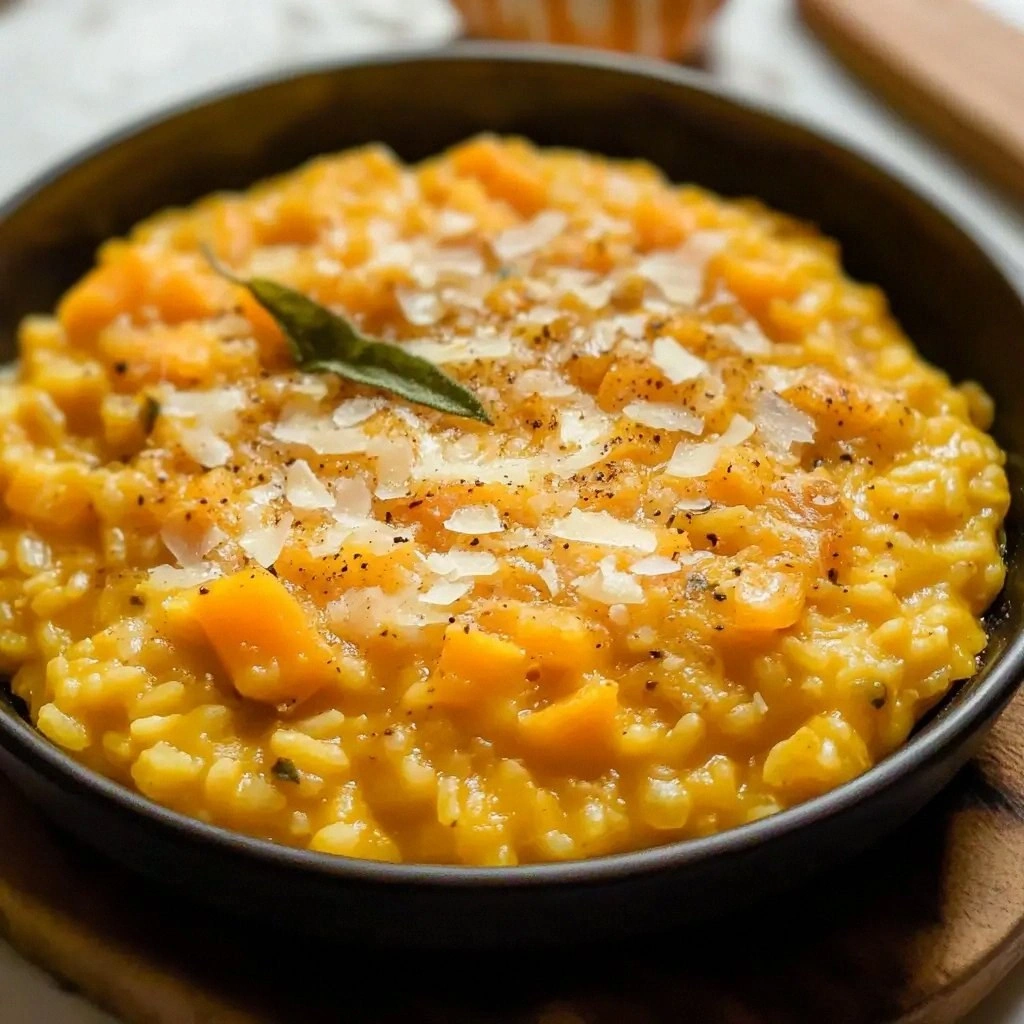
I’m about to reveal the version of Risotto Alla Zucca that will make you question every other risotto you’ve ever made. This isn’t just a dish; it’s an experience that turns a simple bowl of rice into a celebration of flavor, texture, and aroma. The secret? A combination of a perfectly roasted butternut squash, a subtle splash of aged white wine, and a touch of cream that keeps the dish luxuriously smooth. I dare you to taste this and not go back for seconds. And trust me, once you try this, you’ll wonder how you ever lived without it.
If you’ve ever struggled with achieving that silky, creamy consistency without over‑cooking the rice, you’re not alone. Most recipes get this completely wrong, focusing on the rice and forgetting the squash’s sweet depth. But here’s what actually works: the squash is roasted first to lock in its natural sugars, then it’s folded into the risotto at the very end, giving the dish a burst of flavor that’s both bright and comforting. I’ll be honest—my first attempt left the rice too dry and the squash too mushy. I learned quickly that timing is everything, and that’s why I’ll walk you through every single step. By the end, you’ll wonder how you ever made it any other way.
Ready for the game‑changer? The method I’ll share today will transform your kitchen into a cozy Italian trattoria. You’ll see how a few simple tweaks can elevate the dish from ordinary to extraordinary. Let’s dive in and create a risotto that feels like a warm hug on a chilly evening. The next part? Pure magic.
What Makes This Version Stand Out
- Roasted Squash: Sweet, caramelized cubes give depth and a natural sweetness that balances the savory broth.
- White Wine Infusion: A splash of dry wine cuts through the richness, adding acidity and bright notes.
- Nutmeg & Sage: These spices bring a subtle warmth that complements the squash without overpowering.
- Creamy Finish: A light swirl of cream at the end creates a velvety texture that coats the rice like silk.
- Cheese Selection: Parmesan provides umami, while a pinch of nutty pecorino adds a complex finish.
- Low‑Heat Simmer: Slow, steady cooking ensures the rice releases starch without burning.
- Make‑Ahead Friendly: The risotto can be reheated without losing its silkiness, making it perfect for busy evenings.
- Visual Appeal: The orange squash pops against the golden rice, making the dish as beautiful as it tastes.
Inside the Ingredient List
The Flavor Base
Onion and garlic are the foundation, sautéed in olive oil until translucent and fragrant. They release a sweet, savory aroma that permeates the entire dish. Skipping them would leave the risotto feeling flat and one‑dimensional. If you’re allergic to garlic, a small pinch of garlic powder can serve as a substitute, but the fresh bite is irreplaceable.
The Texture Crew
Arborio rice is the star of the show, known for its high starch content which creates that coveted creamy consistency. If you can’t find Arborio, try Carnaroli or Vialone Nano; both work well but may slightly alter the texture. The rice should be toasted lightly in butter and olive oil before adding liquid, which adds a nutty depth. Be careful not to over‑toast, or the rice will develop a burnt flavor.
The Unexpected Star
Butternut squash is more than a sweet vegetable; it’s a flavor powerhouse. Roasting brings out its natural sugars, creating a caramelized edge that contrasts the creamy risotto. If you prefer a lighter version, simply steam the squash instead of roasting, but you’ll miss that smoky depth. Choose a squash with a firm skin and a bright orange flesh for the best results.
The Final Flourish
Parmesan cheese and a splash of heavy cream add richness and depth. The cheese melts into the risotto, creating a silky coating that feels like velvet. If you’re watching calories, you can replace the cream with a splash of unsweetened almond milk, but the texture will be slightly lighter. A pinch of nutmeg at the end elevates the dish with a warm, aromatic finish.
Everything's prepped? Good. Let's get into the real action…
The Method — Step by Step
- Heat the olive oil and butter in a heavy‑bottomed saucepan over medium heat until the butter foams but doesn’t brown. Add the diced onion and a pinch of salt, cooking until the onion softens and becomes translucent, about 5 minutes. The aroma should be sweet and inviting, like a summer sunrise. This is the moment of truth; do not rush.
- Stir in the minced garlic and cook for another minute until fragrant. The garlic should release a subtle, peppery aroma but not turn golden. If you’re sensitive to garlic, reduce the amount slightly; the key is balance.
- Add the Arborio rice, stirring constantly for 2 minutes until each grain is coated in butter and oil. The rice should toast slightly, giving it a nutty aroma. This step is critical; it develops the starch that will make the risotto creamy.
- Pour in the white wine, swirling the pan to loosen any browned bits. The wine should evaporate quickly, leaving a dry, aromatic base. If the wine doesn’t evaporate, increase the heat slightly. This liquid will infuse the rice with bright acidity.
- Begin adding the warm vegetable broth one ladleful at a time, stirring constantly. Wait until the liquid is almost fully absorbed before adding the next ladle. This slow, steady process allows the rice to release its starch gradually, creating that silky texture. The broth should be warm, not boiling, to keep the cooking temperature controlled.
- When the rice is about halfway cooked, fold in the roasted butternut squash cubes. This timing ensures the squash remains firm enough to provide texture. The risotto should smell toasty, with the squash’s caramelized scent mingling with the broth. This is a pivotal point; adding the squash too early will make it mushy.
- Continue adding broth until the rice reaches al dente—about 18-20 minutes total. The final texture should be creamy yet still have a slight bite. If the mixture looks dry, add a splash of broth or water. The rice should feel like a soft, buttery ball in your mouth.
- Stir in the grated Parmesan, nutmeg, and a splash of heavy cream. The cheese should melt into a glossy coating, and the cream should create a velvety finish. Season with salt and freshly ground pepper to taste. This is where the dish truly comes alive.
- Remove the pan from heat, cover loosely, and let the risotto rest for 2 minutes. This resting period allows the flavors to meld and the rice to finish absorbing liquid. The rest also helps the cheese to set into a creamy coating.
- Serve immediately, topped with a sprinkle of toasted pumpkin seeds and a drizzle of aged balsamic for a burst of contrast. The seeds add a satisfying crunch, while the balsamic offers a sweet‑tart finish. Plate it with a small side of crisp arugula for a peppery counterpoint. And that’s it—you did it. But hold on, I've got a few more tricks that'll take this to another level…
Insider Tricks for Flawless Results
The Temperature Rule Nobody Follows
Maintain a gentle simmer throughout the cooking process. If the broth boils, it will evaporate too quickly and cause the rice to cook unevenly. Keep the heat low enough that the liquid stays just below boiling. This ensures a smooth, consistent texture.
Why Your Nose Knows Best
Use your nose to gauge doneness. When the risotto smells buttery and slightly nutty, it’s near completion. The aroma of roasted squash should be prominent, not overpowering. Trusting your senses saves you from over‑cooking.
The 5‑Minute Rest That Changes Everything
After removing the pan from heat, cover it loosely with foil for 5 minutes. This rest period allows the rice to finish absorbing liquid and the flavors to meld. It also lets the cheese set into a creamy coating.
The Creamy Touch
If you’re avoiding dairy, replace the heavy cream with a splash of unsweetened almond milk or coconut cream. The texture will be lighter, but the dish will still be silky. Experiment with different milks to find your favorite.
The Final Seasoning Touch
Add a pinch of fresh thyme or rosemary at the end for a herbal brightness that cuts through the richness. A squeeze of fresh lemon juice can also brighten the flavors, especially if you’re serving this with a heavier protein.
Creative Twists and Variations
This recipe is a playground. Here are some of my favorite ways to switch things up:
Sicilian Citrus Twist
Add a splash of orange juice and zest to the broth for a bright, citrusy note. The orange complements the squash’s sweetness and adds a refreshing lift. Pair it with a side of grilled fish for a balanced meal.
Pine Nut & Spinach Fusion
Fold in toasted pine nuts and sautéed spinach at the end for added texture and a burst of green. The nuts provide a crunchy contrast, while the spinach adds a subtle earthiness. This variation is perfect for a lighter dinner.
Smoky Chipotle Variation
Stir in a teaspoon of chipotle in adobo for a smoky, peppery kick. The heat pairs wonderfully with the sweet squash, creating a complex flavor profile. Serve with a dollop of Greek yogurt to cool the heat.
Vegan Delight
Replace the butter with a generous splash of olive oil and use a plant‑based Parmesan alternative. Keep the cream substitute as unsweetened almond milk. This version remains creamy and flavorful without any animal products.
Pumpkin Seed Crunch
Top the finished risotto with a handful of toasted pumpkin seeds for crunch and a nutty finish. The seeds also add a pop of color and a subtle pop of flavor that complements the squash. It’s a simple addition that elevates the dish.
Storing and Bringing It Back to Life
Fridge Storage
Store the risotto in an airtight container for up to 3 days in the refrigerator. Cool the dish to room temperature before sealing to avoid condensation. When reheating, add a splash of warm broth or water to loosen the rice.
Freezer Friendly
For longer storage, freeze the risotto in a freezer‑safe container for up to 2 months. Thaw overnight in the refrigerator before reheating. Use a gentle heat and add a splash of broth to restore moisture.
Best Reheating Method
Reheat the risotto gently in a saucepan over low heat, stirring constantly. Add a tiny splash of water or broth to steam back to perfection. Avoid microwaving, as it can dry out the rice.